THE ADVENTURE COLLECTIVE® · Independent discovery and booking for outdoor travel

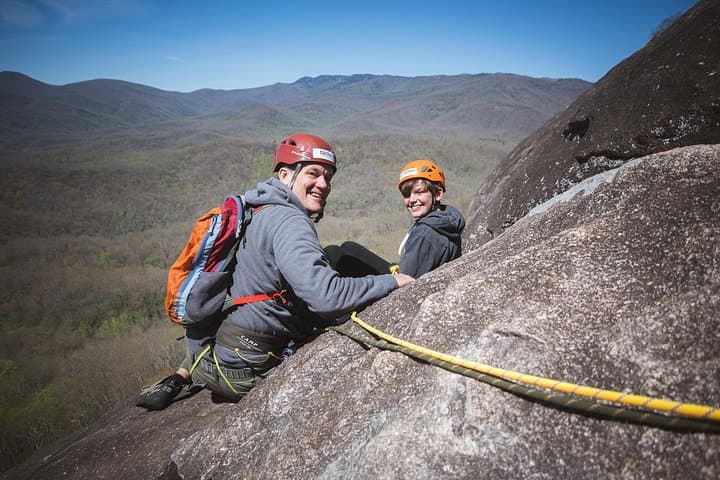
Move beyond single-pitch routes with a private half-day multi-pitch climb in Western North Carolina. Guides handle logistics and gear while you learn belays, anchors, and rappels against sweeping Pisgah ridgelines.
Move beyond single-pitch routes with a private half-day multi-pitch climb in Western North Carolina. Guides handle logistics and gear while you learn belays, anchors, and rappels against sweeping Pisgah ridgelines.
Morning light slices through the spruce and hardwoods as the van pulls off a two-lane road and the city noise falls away. Guides check harnesses in a small gym on the edge of Asheville, then load ropes and helmets for a short drive into the Pisgah National Forest. The trail to the crag is a brisk approach—rocky, occasionally steep—and the cliff waits like a vertical map of the region's geology: banded gneiss, coarse-grained granite, faces carved by water and frost.
Verified experiences and guided adventures in the surrounding area.
Operated by Cultivate Climbing · Asheville, North Carolina
Morning light slices through the spruce and hardwoods as the van pulls off a two-lane road and the city noise falls away. Guides check harnesses in a small gym on the edge of Asheville, then load ropes and helmets for a short drive into the Pisgah National Forest. The trail to the crag is a brisk approach—rocky, occasionally steep—and the cliff waits like a vertical map of the region's geology: banded gneiss, coarse-grained granite, faces carved by water and frost.
The technique of multi-pitch climbing changes the rhythm of movement. Instead of a single push to the top, you climb in stages: lead a pitch, build an anchor, follow, then leap into the next sequence. In Western North Carolina, that translation of effort into altitude rewards you with broad views out over layered ridgelines and tree crowns that change color across the seasons. Historically, this landscape was part of early logging and later conservation efforts that created the modern network of trails and protected cliffs climbers now use. Local climbing culture blends Appalachian practicality with a focus on low-impact access—fixed anchors are common on popular routes, but many cliffs remain walk-off or rappel-dependent.
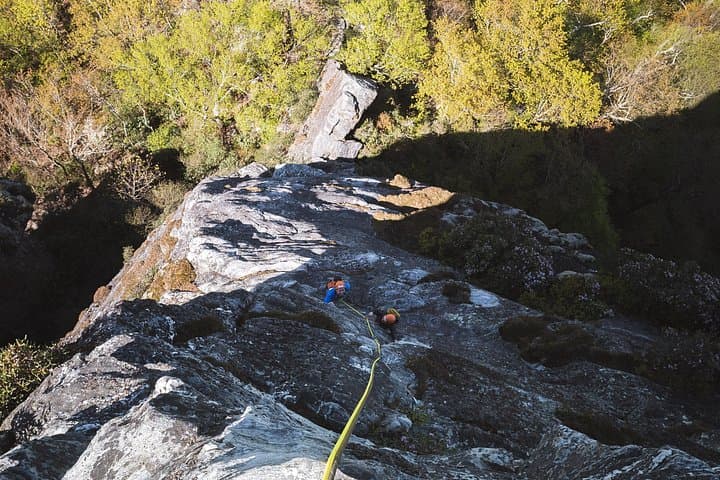
Practical details matter: half-day multi-pitch trips run about three to four hours and typically involve two to three pitches, with individual pitches commonly between 30 and 60 meters (roughly 100–200 feet). Expect extended exposure—being clipped into a rope at a high anchor is part of the experience. Guides provide all technical gear (ropes, helmets, harnesses, shoes) and coach belay and movement techniques, but a moderate level of fitness and comfort with heights makes the day smoother.
Timing and weather shape the climb. Late spring and early fall are ideal for stable temperatures; summer climbs start early to beat heat and thundercells. Bring water, layered clothing, and a small, grippy approach shoe for the hike. Photography is best at sunrise or late afternoon when shadows define the rock and ridgelines glow. Respect route closures and minimize chalk use—many local access groups prioritize preserving the rock and vegetation below.
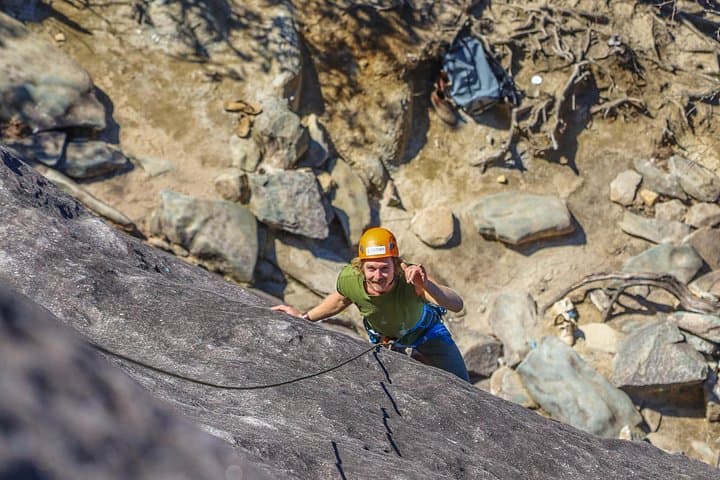
This private, three-person option is designed for climbers who want the mechanics of multi-pitch movement without committing to a full day. Expect coaching at anchors, guided rappels or walk-offs, and a paced introduction to building and trusting intermediate belays. Whether you are stepping up from single-pitch sport routes or seeking an efficient way to access bigger exposures, half-day multi-pitch climbing in Pisgah offers a compact, intense taste of big-wall technique anchored in one of the Southeast's most scenic forests.
No—guides will teach multi-pitch techniques, but climbers should be comfortable on single-pitch climbs and okay with exposure.
Guides supply ropes, harnesses, helmets, and climbing shoes; bring personal footwear for the approach and layers for weather.
This is a private trip limited to three participants, ideal for focused coaching and a steady pace.
Trips are canceled or rescheduled for active storms; operators usually cancel if conditions are unsafe and offer refunds per policy.
Crags in Pisgah are typically a 30–60 minute drive from Asheville depending on route choice and traffic.
Policies vary by operator—contact the provider with specific questions about minors or weight limits before booking.
Cultivate Climbing operates guided outdoor trips and adventures with an emphasis on safety, stewardship, and memorable experiences.
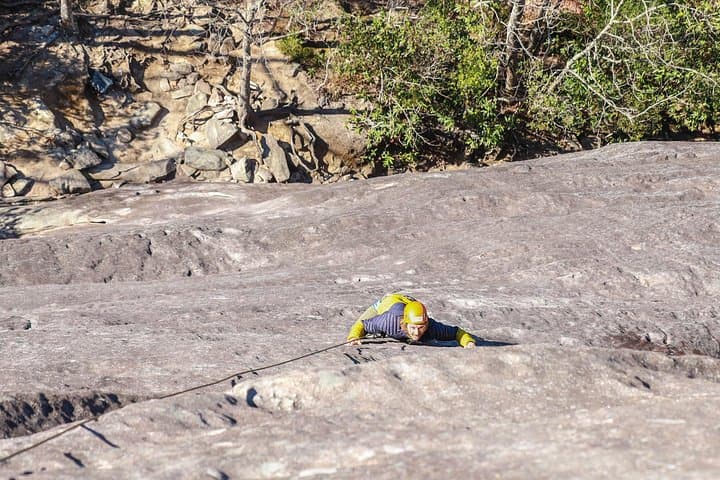
Morning light slices through the spruce and hardwoods as the van pulls off a two-lane road and the city noise falls away. Guides check harnesses in a small gym on the edge of Asheville, then load ropes and helmets for a short drive into the Pisgah National Forest. The trail to the crag is a brisk approach—rocky, occasionally steep—and the cliff waits like a vertical map of the region's geology: banded gneiss, coarse-grained granite, faces carved by water and frost.
Morning light slices through the spruce and hardwoods as the van pulls off a two-lane road and the city noise falls away. Guides check harnesses in a small gym on the edge of Asheville, then load ropes and helmets for a short drive into the Pisgah National Forest. The trail to the crag is a brisk approach—rocky, occasionally steep—and the cliff waits like a vertical map of the region's geology: banded gneiss, coarse-grained granite, faces carved by water and frost.
The technique of multi-pitch climbing changes the rhythm of movement. Instead of a single push to the top, you climb in stages: lead a pitch, build an anchor, follow, then leap into the next sequence. In Western North Carolina, that translation of effort into altitude rewards you with broad views out over layered ridgelines and tree crowns that change color across the seasons. Historically, this landscape was part of early logging and later conservation efforts that created the modern network of trails and protected cliffs climbers now use. Local climbing culture blends Appalachian practicality with a focus on low-impact access—fixed anchors are common on popular routes, but many cliffs remain walk-off or rappel-dependent.
Practical details matter: half-day multi-pitch trips run about three to four hours and typically involve two to three pitches, with individual pitches commonly between 30 and 60 meters (roughly 100–200 feet). Expect extended exposure—being clipped into a rope at a high anchor is part of the experience. Guides provide all technical gear (ropes, helmets, harnesses, shoes) and coach belay and movement techniques, but a moderate level of fitness and comfort with heights makes the day smoother.
Timing and weather shape the climb. Late spring and early fall are ideal for stable temperatures; summer climbs start early to beat heat and thundercells. Bring water, layered clothing, and a small, grippy approach shoe for the hike. Photography is best at sunrise or late afternoon when shadows define the rock and ridgelines glow. Respect route closures and minimize chalk use—many local access groups prioritize preserving the rock and vegetation below.
This private, three-person option is designed for climbers who want the mechanics of multi-pitch movement without committing to a full day. Expect coaching at anchors, guided rappels or walk-offs, and a paced introduction to building and trusting intermediate belays. Whether you are stepping up from single-pitch sport routes or seeking an efficient way to access bigger exposures, half-day multi-pitch climbing in Pisgah offers a compact, intense taste of big-wall technique anchored in one of the Southeast's most scenic forests.