THE ADVENTURE COLLECTIVE® · Independent discovery and booking for outdoor travel

Move from CSMT’s Gothic arches to Bandra Fort’s seaside ramparts on a guided half-day that blends colonial history, street markets and coastal views. Perfect for travellers who want an immediate, local feel for Mumbai with practical route knowledge and tips.
Move from CSMT’s Gothic arches to Bandra Fort’s seaside ramparts on a guided half-day that blends colonial history, street markets and coastal views. Perfect for travellers who want an immediate, local feel for Mumbai with practical route knowledge and tips.
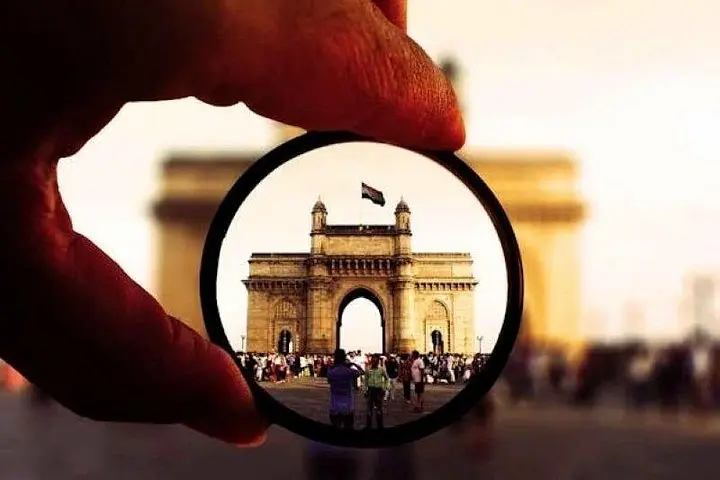
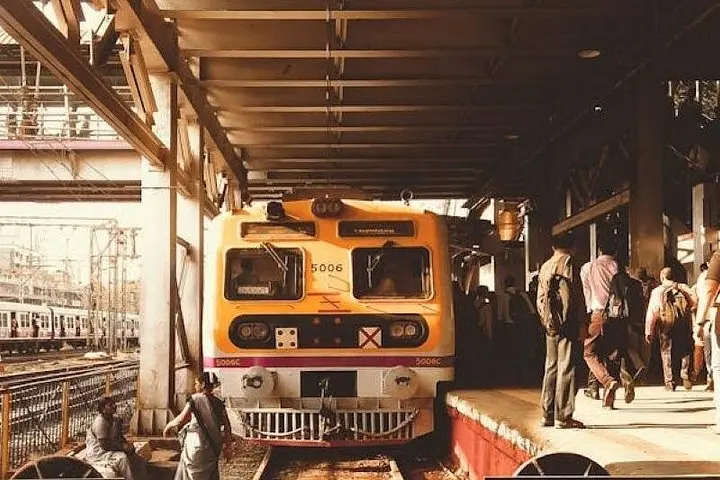
The city greets you with steam from chai stalls and the clang of local trains as the tour begins at Chhatrapati Shivaji Maharaj Terminus. Footsteps on stone meet the Arabian Sea’s hush later at the Gateway of India; the route threads colonial façades, art-filled lanes and a coastal rampart that opens toward Bandra Fort.
Verified experiences and guided adventures in the surrounding area.
Operated by Mumbai Vibes · Mumbai, Maharashtra
The city greets you with steam from chai stalls and the clang of local trains as the tour begins at Chhatrapati Shivaji Maharaj Terminus. Footsteps on stone meet the Arabian Sea’s hush later at the Gateway of India; the route threads colonial façades, art-filled lanes and a coastal rampart that opens toward Bandra Fort.
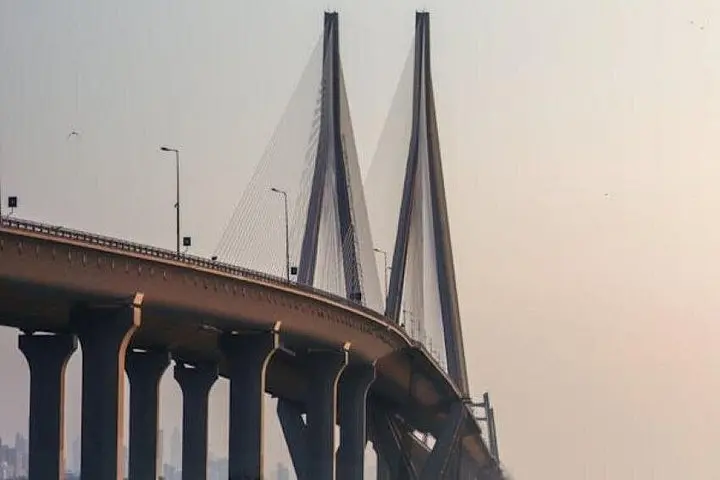
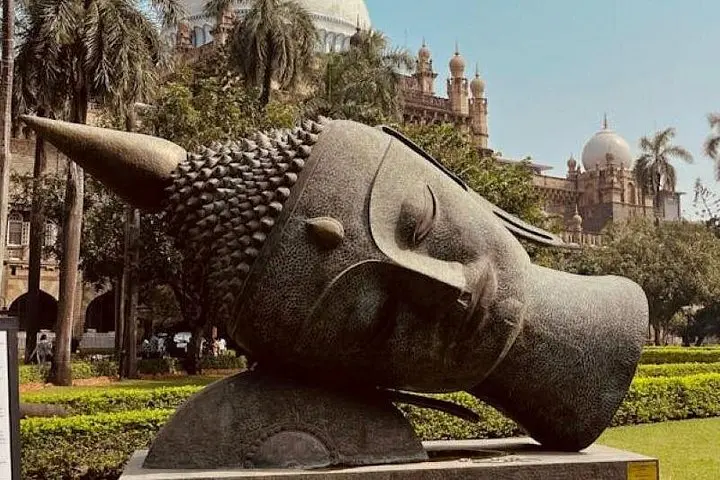
This half-day walk unpacks layers of Mumbai’s past — Victorian Gothic in CSMT, neo-classical flourishes at Flora Fountain, and the Gateway’s Raj-era silhouette facing the sea. Geology shows in the black basalt of the promenade and the reclaimed land that shaped Marine Drive’s crescent. Culturally the city is kinetic: markets hum with traders from Kalbadevi while Kala Ghoda flexes Mumbai’s contemporary arts scene.
Expect close-up urban life: hawkers balancing trays, trains nudging along platforms, and the scent of spices from narrow lanes. Bandra shifts the tempo — fort ramparts, Portuguese-era echoes, and the basilica’s quiet stone.
Practical guidance: the itinerary covers about 8–10 km of mixed pavement and promenade walking across roughly five hours with multiple short breaks; wear supportive shoes and carry water. Local-train etiquette (queueing, mindful bags) keeps the flow smooth. Bring a charged phone for photos and snacks are provided, but carry cash for small purchases.
Timing matters — early morning or late afternoon avoids midday heat and shows the city in cooler light. The tour fits a range of fitness levels yet rewards those ready to move through crowds and climb short stair sections.
The tour lasts about five hours and covers roughly 8–10 km of mostly flat urban pavement with short stair sections and a train ride to Bandra.
The short local-train segment is accessible for most travellers if you follow queueing and boarding etiquette; avoid rush-hour carriages and travel light.
Snacks and a soft drink are included, but bring cash if you want to buy additional street food or souvenirs during market stops.
Children who can handle city walking are fine; the tour is not recommended for those with serious mobility issues due to crowded areas and stairs.
Mumbai Vibes operates guided outdoor trips and adventures with an emphasis on safety, stewardship, and memorable experiences.
The city greets you with steam from chai stalls and the clang of local trains as the tour begins at Chhatrapati Shivaji Maharaj Terminus. Footsteps on stone meet the Arabian Sea’s hush later at the Gateway of India; the route threads colonial façades, art-filled lanes and a coastal rampart that opens toward Bandra Fort.
The city greets you with steam from chai stalls and the clang of local trains as the tour begins at Chhatrapati Shivaji Maharaj Terminus. Footsteps on stone meet the Arabian Sea’s hush later at the Gateway of India; the route threads colonial façades, art-filled lanes and a coastal rampart that opens toward Bandra Fort.
This half-day walk unpacks layers of Mumbai’s past — Victorian Gothic in CSMT, neo-classical flourishes at Flora Fountain, and the Gateway’s Raj-era silhouette facing the sea. Geology shows in the black basalt of the promenade and the reclaimed land that shaped Marine Drive’s crescent. Culturally the city is kinetic: markets hum with traders from Kalbadevi while Kala Ghoda flexes Mumbai’s contemporary arts scene.
Expect close-up urban life: hawkers balancing trays, trains nudging along platforms, and the scent of spices from narrow lanes. Bandra shifts the tempo — fort ramparts, Portuguese-era echoes, and the basilica’s quiet stone.
Practical guidance: the itinerary covers about 8–10 km of mixed pavement and promenade walking across roughly five hours with multiple short breaks; wear supportive shoes and carry water. Local-train etiquette (queueing, mindful bags) keeps the flow smooth. Bring a charged phone for photos and snacks are provided, but carry cash for small purchases.
Timing matters — early morning or late afternoon avoids midday heat and shows the city in cooler light. The tour fits a range of fitness levels yet rewards those ready to move through crowds and climb short stair sections.