THE ADVENTURE COLLECTIVE® · Independent discovery and booking for outdoor travel

See Muscat’s essentials in a compact, 4‑hour loop: the Grand Mosque, Mutrah Souq, Al Alam Palace and the twin forts. This practical guide explains what to expect, how to prepare and the local customs that shape the visit.
See Muscat’s essentials in a compact, 4‑hour loop: the Grand Mosque, Mutrah Souq, Al Alam Palace and the twin forts. This practical guide explains what to expect, how to prepare and the local customs that shape the visit.
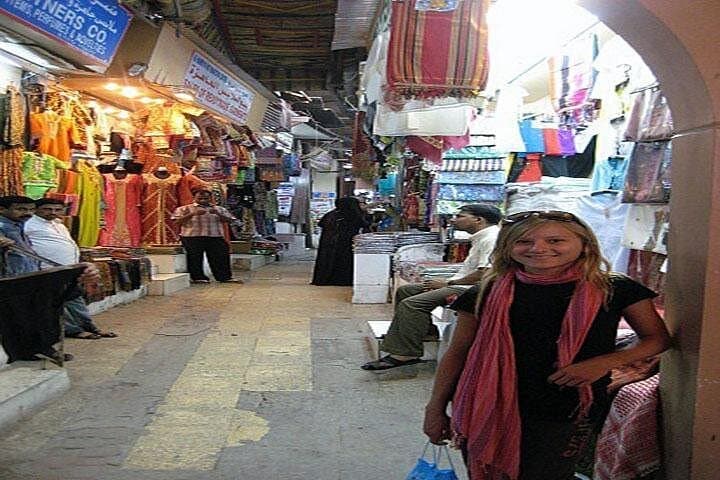
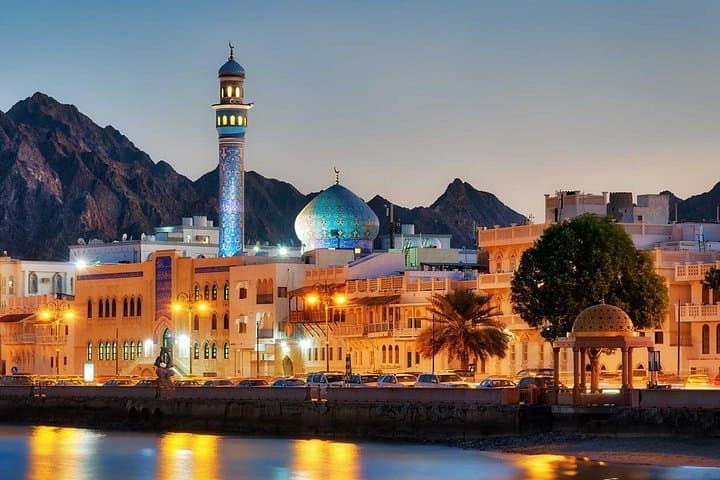
Morning light hits a white marble minaret and the city unfurls between sea and crag—this half-day loop through Muscat moves fast but deliberately: the Sultan Qaboos Grand Mosque’s prayer halls and mosaic courtyards, the brine-scented twists of Mutrah Souq, the stainless sheen of Al Alam Palace, and the watchful faces of Jalali and Mirani forts.
Verified experiences and guided adventures in the surrounding area.
Operated by Oman Day Tours · Muscat, Muscat
Morning light hits a white marble minaret and the city unfurls between sea and crag—this half-day loop through Muscat moves fast but deliberately: the Sultan Qaboos Grand Mosque’s prayer halls and mosaic courtyards, the brine-scented twists of Mutrah Souq, the stainless sheen of Al Alam Palace, and the watchful faces of Jalali and Mirani forts.
Geology here is as much a player as history—the rugged limestone headlands that frame Muscat’s harbor guided centuries of maritime trade and the strategic siting of forts. The city’s modern identity grew around those maritime routes; Bait Al Zubair Museum condenses centuries of Omani social history into a single house-full of weaponry, jewelry and dhows’ models. Culture in Muscat is conservative and ceremonial: dress codes, call-to-prayer cadences and market bargaining are part of the rhythm.
For planning: the tour runs about four hours and is compact—expect short walks between photo stops, one-hour visits at the Grand Mosque (entry commonly allowed mornings, small entry fee often applied) and Bait Al Zubair. Mutrah Souq is sensory and best navigated with small bills and a cool head for negotiating. Bring a scarf or light wrap for mosque entry, closed shoes for uneven paving, and a reusable water bottle (bottled water is usually supplied). Traffic can stretch transfer times; shore guests should allow margins for embarkation. Aim for morning light for photos and cooler temperatures. The route is approachable for most travelers but observe local customs: cover shoulders and knees at religious sites, ask before photographing people, and give yourself time to listen—Muscat reveals its character in quiet moments by the sea and between the stones of its old forts.
A modest donation or entry fee is commonly requested (around 8 OMR at times); hours for tourists are generally in the morning—confirm current access times before travel.
Yes — round-trip pickup and drop-off from ports or hotels in Muscat are typically included; provide exact docking and reboarding information at booking.
Yes, children are welcome but must be accompanied by an adult; some sites like museums may have age restrictions for exhibits or guided access.
Entry to places of worship can be refused; guides usually bring wraps but it’s best to arrive wearing modest clothing to avoid denied access.
Oman Day Tours operates guided outdoor trips and adventures with an emphasis on safety, stewardship, and memorable experiences.


Morning light hits a white marble minaret and the city unfurls between sea and crag—this half-day loop through Muscat moves fast but deliberately: the Sultan Qaboos Grand Mosque’s prayer halls and mosaic courtyards, the brine-scented twists of Mutrah Souq, the stainless sheen of Al Alam Palace, and the watchful faces of Jalali and Mirani forts.
Morning light hits a white marble minaret and the city unfurls between sea and crag—this half-day loop through Muscat moves fast but deliberately: the Sultan Qaboos Grand Mosque’s prayer halls and mosaic courtyards, the brine-scented twists of Mutrah Souq, the stainless sheen of Al Alam Palace, and the watchful faces of Jalali and Mirani forts.
Geology here is as much a player as history—the rugged limestone headlands that frame Muscat’s harbor guided centuries of maritime trade and the strategic siting of forts. The city’s modern identity grew around those maritime routes; Bait Al Zubair Museum condenses centuries of Omani social history into a single house-full of weaponry, jewelry and dhows’ models. Culture in Muscat is conservative and ceremonial: dress codes, call-to-prayer cadences and market bargaining are part of the rhythm.
For planning: the tour runs about four hours and is compact—expect short walks between photo stops, one-hour visits at the Grand Mosque (entry commonly allowed mornings, small entry fee often applied) and Bait Al Zubair. Mutrah Souq is sensory and best navigated with small bills and a cool head for negotiating. Bring a scarf or light wrap for mosque entry, closed shoes for uneven paving, and a reusable water bottle (bottled water is usually supplied). Traffic can stretch transfer times; shore guests should allow margins for embarkation. Aim for morning light for photos and cooler temperatures. The route is approachable for most travelers but observe local customs: cover shoulders and knees at religious sites, ask before photographing people, and give yourself time to listen—Muscat reveals its character in quiet moments by the sea and between the stones of its old forts.