THE ADVENTURE COLLECTIVE® · Independent discovery and booking for outdoor travel

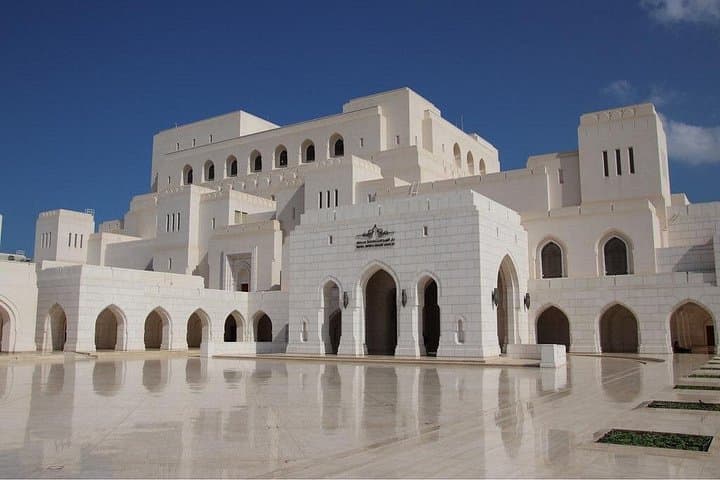
Spend four focused hours in Muscat: an early visit to Sultan Qaboos Grand Mosque, the working Muttrah fish market, colorful Muttrah Souq, and photogenic views of Al Alam Palace and Portuguese forts. Expect cultural context, short walks, and heat-conscious logistics.
Spend four focused hours in Muscat: an early visit to Sultan Qaboos Grand Mosque, the working Muttrah fish market, colorful Muttrah Souq, and photogenic views of Al Alam Palace and Portuguese forts. Expect cultural context, short walks, and heat-conscious logistics.
Morning light hits the Corniche and the sea throws a scatter of diamonds across the Gulf of Oman—this is where a half-day in Muscat begins, with salt air, the call to prayer still soft on the breeze, and a driver waiting to take you through the city’s most compact chapters.
Verified experiences and guided adventures in the surrounding area.
Operated by WABAR TOURS · Muscat, Muscat Governorate
Morning light hits the Corniche and the sea throws a scatter of diamonds across the Gulf of Oman—this is where a half-day in Muscat begins, with salt air, the call to prayer still soft on the breeze, and a driver waiting to take you through the city’s most compact chapters.
Start at Sultan Qaboos Grand Mosque: marble floors, a 12‑metre chandelier, and precise geometric inlays that reveal modern Omani craftsmanship. From there the tour slips into Muttrah’s fish market—an active waterfront where fishermen, buyers and the smell of the sea create a working portrait of the port—and onto Muttrah Souq, a tight maze of incense shops, silver, and frankincense stalls where bargaining is expected.
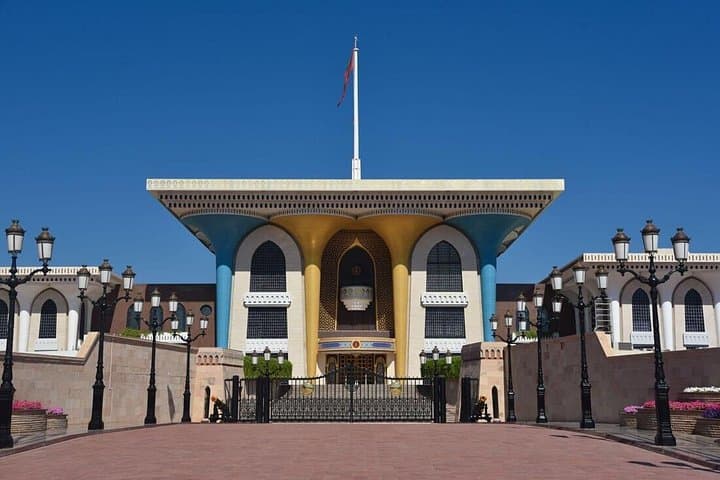
Drive the Corniche toward Old Muscat for photos of Al Alam Palace, framed by the Portuguese forts of Jalali and Mirani—reminders of 16th‑century strategic competition for Omani harbors. A stop at Bait Al Zubair adds context: private collections that explain Omani dress, weaponry, and maritime trade connections that shaped the city.
Practical guide: this private four‑hour tour is moderate on walking but requires modest dress for mosque entry (shoulders and knees covered; women may need a headscarf). Mosque visiting hours are limited—arrive early (8:00–11:00) to avoid closures. Wear comfortable shoes for uneven souq surfaces, and plan for sun and heat—bring water, sunscreen and a hat; the operator supplies soft drinks in a cool box and a vehicle with fuel. Expect short walks between stops and clear photo opportunities at vantage points. Best done in the morning to dodge afternoon heat and crowds; ask the guide to linger at quieter alleys in Muttrah for incense stalls and candid street scenes.
Women are generally asked to cover their heads and all visitors must remove shoes before entering the prayer hall; modest dress covering shoulders and knees is required.
Yes—souq alleys are family‑friendly but can be crowded; keep children close and be mindful of traffic on the Corniche outside market hours.
Most small vendors prefer Omani Rial cash; larger shops may accept cards but bring cash for bargaining and quick purchases.
The operator lists stroller accessibility and infant seats available, but cobbled souq areas and mosque thresholds can be uneven—check with the guide about specific needs.
WABAR TOURS operates guided outdoor trips and adventures with an emphasis on safety, stewardship, and memorable experiences.


Morning light hits the Corniche and the sea throws a scatter of diamonds across the Gulf of Oman—this is where a half-day in Muscat begins, with salt air, the call to prayer still soft on the breeze, and a driver waiting to take you through the city’s most compact chapters.
Morning light hits the Corniche and the sea throws a scatter of diamonds across the Gulf of Oman—this is where a half-day in Muscat begins, with salt air, the call to prayer still soft on the breeze, and a driver waiting to take you through the city’s most compact chapters.
Start at Sultan Qaboos Grand Mosque: marble floors, a 12‑metre chandelier, and precise geometric inlays that reveal modern Omani craftsmanship. From there the tour slips into Muttrah’s fish market—an active waterfront where fishermen, buyers and the smell of the sea create a working portrait of the port—and onto Muttrah Souq, a tight maze of incense shops, silver, and frankincense stalls where bargaining is expected.
Drive the Corniche toward Old Muscat for photos of Al Alam Palace, framed by the Portuguese forts of Jalali and Mirani—reminders of 16th‑century strategic competition for Omani harbors. A stop at Bait Al Zubair adds context: private collections that explain Omani dress, weaponry, and maritime trade connections that shaped the city.
Practical guide: this private four‑hour tour is moderate on walking but requires modest dress for mosque entry (shoulders and knees covered; women may need a headscarf). Mosque visiting hours are limited—arrive early (8:00–11:00) to avoid closures. Wear comfortable shoes for uneven souq surfaces, and plan for sun and heat—bring water, sunscreen and a hat; the operator supplies soft drinks in a cool box and a vehicle with fuel. Expect short walks between stops and clear photo opportunities at vantage points. Best done in the morning to dodge afternoon heat and crowds; ask the guide to linger at quieter alleys in Muttrah for incense stalls and candid street scenes.