THE ADVENTURE COLLECTIVE® · Independent discovery and booking for outdoor travel

Spend a half-day in Karen, Nairobi—feed and learn about giraffes, watch bead artisans at work, and tour the Karen Blixen farmhouse. This easy cultural loop combines wildlife, craft, and colonial history with practical local tips.
Spend a half-day in Karen, Nairobi—feed and learn about giraffes, watch bead artisans at work, and tour the Karen Blixen farmhouse. This easy cultural loop combines wildlife, craft, and colonial history with practical local tips.
You step out of a safari minivan into the leafy suburb of Karen, where the Ngong Hills slope like an old map to the west and Nairobi’s city noise softens to birdsong.
Verified experiences and guided adventures in the surrounding area.
Operated by KT Safaris · Nairobi, Nairobi County
You step out of a safari minivan into the leafy suburb of Karen, where the Ngong Hills slope like an old map to the west and Nairobi’s city noise softens to birdsong.
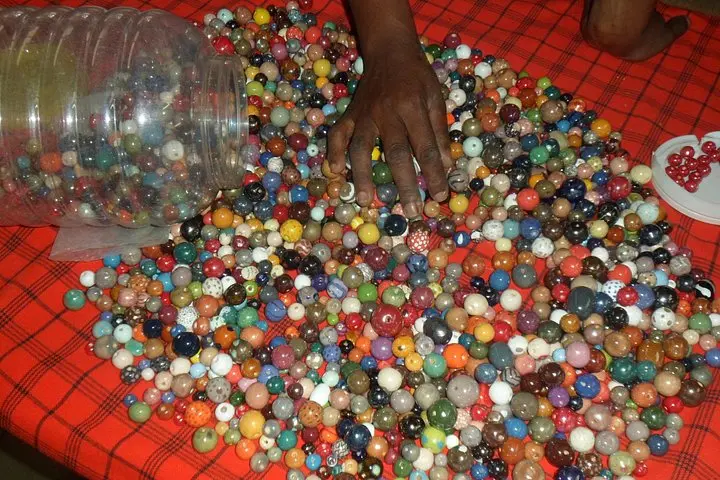
The day threads two kinds of encounters: hands-on wildlife at the Giraffe Centre and close-up culture at local bead workshops and the Karen Blixen farmhouse. At the Giraffe Centre you’ll meet reticulated giraffes at eye level—those long tongues and curious faces push the boundaries of ordinary travel and put conservation work in plain view. Southward, the bead studio (listed variously as Kobe or Kazuri in local guides) demonstrates how clay and glaze become small, export-quality art made by women artisans. The Karen Blixen Museum sits nearby in a 1910s farmhouse that tells a colonial-era chapter of Kenya’s history and the life behind Out of Africa.
Geology and climate are subtle players: red volcanic soils feed coffee and gardens here, while the Ngong Hills funnel afternoon breezes. Culture-focused stops—the Matbronze foundry, local markets—anchor the day with craft, storytelling, and commerce.
Practical notes: this is an easy, largely flat half-day tour (about 5 hours) with short walks between sites. Mornings are best for light and quieter giraffe encounters; carry water, small local currency for souvenirs, and a jacket for afternoon mists. Respect animal handlers’ instructions, ask before photographing locals up close, and leave no trace when browsing markets—these choices keep the experience genuine and sustainable.
Yes—pickup and drop-off are included; confirm exact pickup location and time when booking.
Feeding is supervised by the Giraffe Centre staff as part of the visit—always follow their guidance.
Yes—it's family-friendly, though young children should be supervised near animal enclosures and busy markets.
The tour typically includes admissions and bottled water, but confirm at booking for any site-specific fees or optional extras.
KT Safaris operates guided outdoor trips and adventures with an emphasis on safety, stewardship, and memorable experiences.
You step out of a safari minivan into the leafy suburb of Karen, where the Ngong Hills slope like an old map to the west and Nairobi’s city noise softens to birdsong.
You step out of a safari minivan into the leafy suburb of Karen, where the Ngong Hills slope like an old map to the west and Nairobi’s city noise softens to birdsong.
The day threads two kinds of encounters: hands-on wildlife at the Giraffe Centre and close-up culture at local bead workshops and the Karen Blixen farmhouse. At the Giraffe Centre you’ll meet reticulated giraffes at eye level—those long tongues and curious faces push the boundaries of ordinary travel and put conservation work in plain view. Southward, the bead studio (listed variously as Kobe or Kazuri in local guides) demonstrates how clay and glaze become small, export-quality art made by women artisans. The Karen Blixen Museum sits nearby in a 1910s farmhouse that tells a colonial-era chapter of Kenya’s history and the life behind Out of Africa.
Geology and climate are subtle players: red volcanic soils feed coffee and gardens here, while the Ngong Hills funnel afternoon breezes. Culture-focused stops—the Matbronze foundry, local markets—anchor the day with craft, storytelling, and commerce.
Practical notes: this is an easy, largely flat half-day tour (about 5 hours) with short walks between sites. Mornings are best for light and quieter giraffe encounters; carry water, small local currency for souvenirs, and a jacket for afternoon mists. Respect animal handlers’ instructions, ask before photographing locals up close, and leave no trace when browsing markets—these choices keep the experience genuine and sustainable.