THE ADVENTURE COLLECTIVE® · Independent discovery and booking for outdoor travel

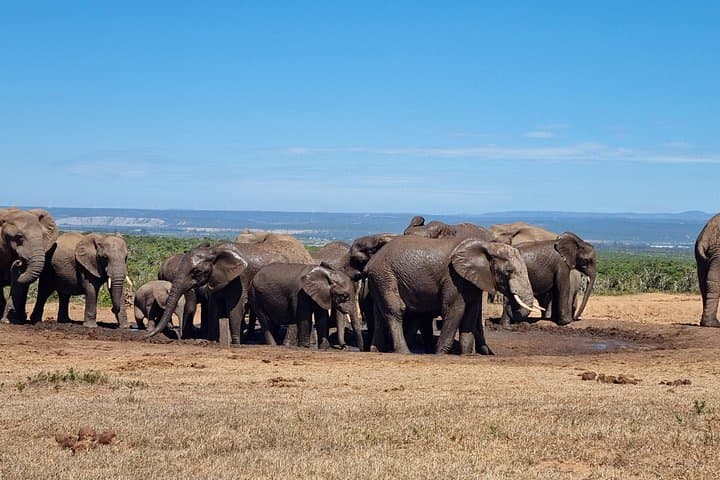
Spend a focused half-day in an open 4x4 through Addo Elephant National Park, watching free-roaming elephant herds and scanning for the Big 5. This practical guide previews what to expect, how to prepare, and local insights to make the most of your safari.
Spend a focused half-day in an open 4x4 through Addo Elephant National Park, watching free-roaming elephant herds and scanning for the Big 5. This practical guide previews what to expect, how to prepare, and local insights to make the most of your safari.
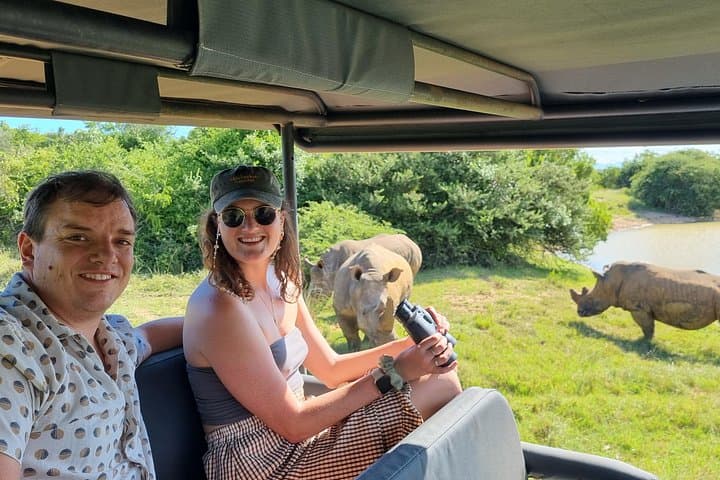
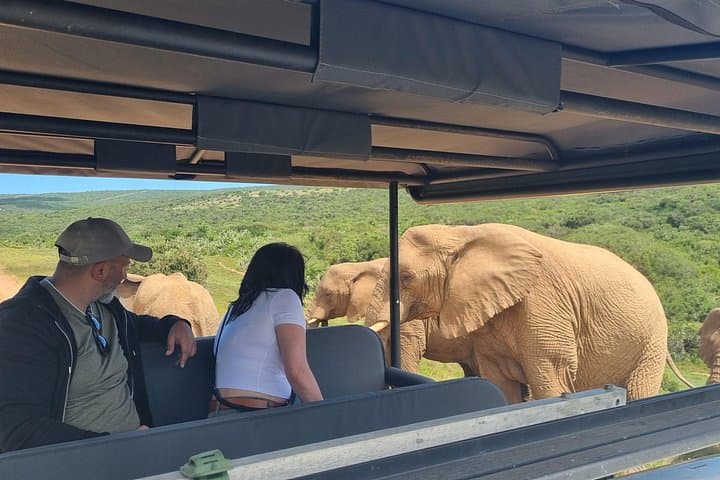
You ease into the open 4x4 as dust threads the air and a distant rumble draws your eye — a column of elephants walking the scrub, trunks probing for bulbs and shade. The vehicle rocks gently over sandy tracks; guide radios ahead and the bush leans in, expectant.
Verified experiences and guided adventures in the surrounding area.
Operated by Zasendle Adventures · Gqeberha (Port Elizabeth), Eastern Cape
You ease into the open 4x4 as dust threads the air and a distant rumble draws your eye — a column of elephants walking the scrub, trunks probing for bulbs and shade. The vehicle rocks gently over sandy tracks; guide radios ahead and the bush leans in, expectant.
Addo Elephant National Park began as a small reserve in the 1930s to protect the last remaining local elephants and has grown into one of South Africa’s largest reserves. The terrain moves from low coastal thicket to rolling red-sand valleys and pockets of succulent-rich Karoo, creating habitat for a surprising variety of species beyond the famous herds — zebra, buffalo, several antelope species, and an array of raptors and reptiles.
Culturally, the park sits within Xhosa country; local communities and conservation authorities work together on tourism and anti-poaching efforts, and guided drives often include notes on land use and the park’s recovery story.
Practicalities: expect a half-day window (about five hours) of slow, observational driving with plenty of stops to photograph or watch behavior. Wear a wide-brim hat, layered sun protection, and closed shoes — the vehicle offers vantage and exposure, not shelter. Bring binoculars and a telephoto lens if you want tight wildlife frames. Hydrate: bottled water is typically provided, but carry a refill bottle. Respect the animals — remain seated, keep voices low, and follow your guide’s instruction for safe viewing distances. If you’re arriving from a cruise or Gqeberha, transfers are common; confirm pickup details and mobility constraints in advance.
The private half-day drive runs about five hours, typically in a morning window (example: 9:00–14:00); confirm exact pickup time when booking.
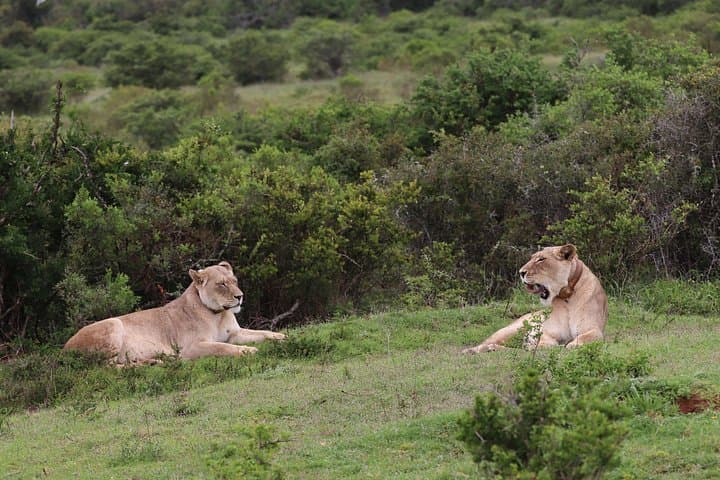
Elephants are commonly seen in large numbers; sightings of lion, black rhino, or leopard are possible but not guaranteed due to their wide-ranging behavior.
Yes—most ages can participate, though wheelchair users cannot be accommodated on the open 4x4 and those with spinal or serious cardiovascular conditions should consult the operator.
Guided open 4x4, conservation/entry fees, bottled water, and a light lunch are typically included—verify inclusions on your booking confirmation.
Zasendle Adventures operates guided outdoor trips and adventures with an emphasis on safety, stewardship, and memorable experiences.
You ease into the open 4x4 as dust threads the air and a distant rumble draws your eye — a column of elephants walking the scrub, trunks probing for bulbs and shade. The vehicle rocks gently over sandy tracks; guide radios ahead and the bush leans in, expectant.
You ease into the open 4x4 as dust threads the air and a distant rumble draws your eye — a column of elephants walking the scrub, trunks probing for bulbs and shade. The vehicle rocks gently over sandy tracks; guide radios ahead and the bush leans in, expectant.
Addo Elephant National Park began as a small reserve in the 1930s to protect the last remaining local elephants and has grown into one of South Africa’s largest reserves. The terrain moves from low coastal thicket to rolling red-sand valleys and pockets of succulent-rich Karoo, creating habitat for a surprising variety of species beyond the famous herds — zebra, buffalo, several antelope species, and an array of raptors and reptiles.
Culturally, the park sits within Xhosa country; local communities and conservation authorities work together on tourism and anti-poaching efforts, and guided drives often include notes on land use and the park’s recovery story.
Practicalities: expect a half-day window (about five hours) of slow, observational driving with plenty of stops to photograph or watch behavior. Wear a wide-brim hat, layered sun protection, and closed shoes — the vehicle offers vantage and exposure, not shelter. Bring binoculars and a telephoto lens if you want tight wildlife frames. Hydrate: bottled water is typically provided, but carry a refill bottle. Respect the animals — remain seated, keep voices low, and follow your guide’s instruction for safe viewing distances. If you’re arriving from a cruise or Gqeberha, transfers are common; confirm pickup details and mobility constraints in advance.