THE ADVENTURE COLLECTIVE® · Independent discovery and booking for outdoor travel

Spend four immersive hours with a private guide exploring Pashupatinath’s active Hindu ghats and the towering Boudhanath Stupa. This concise cultural circuit highlights ritual life, historic architecture, and practical tips for visiting Kathmandu’s two most visited sacred sites.
Spend four immersive hours with a private guide exploring Pashupatinath’s active Hindu ghats and the towering Boudhanath Stupa. This concise cultural circuit highlights ritual life, historic architecture, and practical tips for visiting Kathmandu’s two most visited sacred sites.
You step from the car into a fold of Kathmandu where smoke and prayer flags move the air — the Bagmati River glints below the terraces of Pashupatinath while the white dome of Boudhanath rises a short drive away, crowned by painted eyes that watch the city.
Verified experiences and guided adventures in the surrounding area.
Operated by Himalayan Recreation Treks & Expedition Pvt.Ltd · Kathmandu, Bagmati Province
You step from the car into a fold of Kathmandu where smoke and prayer flags move the air — the Bagmati River glints below the terraces of Pashupatinath while the white dome of Boudhanath rises a short drive away, crowned by painted eyes that watch the city.
Pashupatinath is one of South Asia’s most important Hindu temple complexes and an active cremation ground; rituals here have shaped Newar and broader Nepali practice for centuries. Boudhanath, built along ancient trade routes and rebuilt after the 2015 earthquakes, is one of the largest stupas in the world and a focal point for Tibetan Buddhism in Nepal.
Geology and human history meet here: the valley’s alluvial plains made Kathmandu a crossroads, while surviving stupas and pagoda roofs show the region’s layered craft traditions. Expect to pass shrines, sadhus, monks and families performing rites — your guide will explain protocols like removing shoes at specific shrines, modest dress, and where photography is appropriate.
In practical terms this is a compact, four‑hour private tour with hotel pickup and drop‑off and a maximum of 12 guests. Paths are paved or packed earth with short walks; some areas have steps or uneven stone. There may be modest entrance fees at certain buildings and some sites still show quake damage, so treat fragile structures with care.
Bring water, wear modest layers that cover shoulders and knees, and plan for late‑morning or late‑afternoon light for the best photos. The tour is accessible to most travelers and gives a clear, concentrated introduction to Kathmandu’s living religious heritage.
The experience is approximately four hours with short to moderate walks on paved and packed-earth surfaces; expect periods of standing during site explanations.
Admission is typically not included for certain temples and museums—bring small local currency for any fees or donations requested at specific shrines.
The tour is advertised as suitable for most fitness levels and is wheelchair accessible in parts, but some compounds have steps or uneven ground—check with the operator about specific access needs.
Photography rules vary by shrine; respectful, non-flash photos are generally fine in public areas but ask before photographing rituals, cremation areas or inside certain temples.
Himalayan Recreation Treks & Expedition Pvt.Ltd operates guided outdoor trips and adventures with an emphasis on safety, stewardship, and memorable experiences.
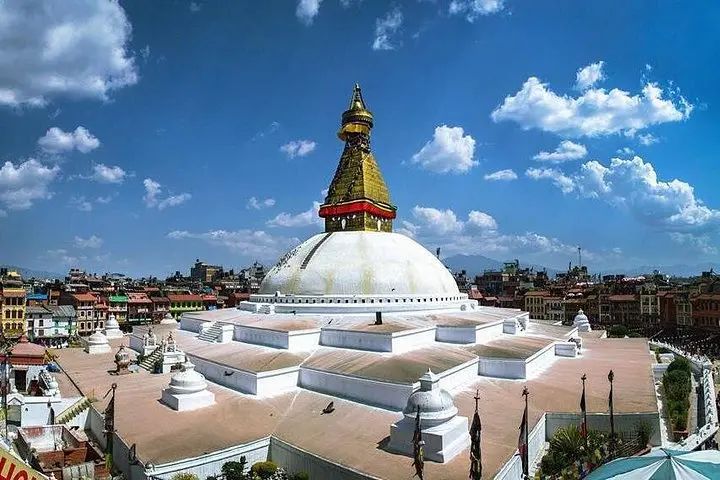
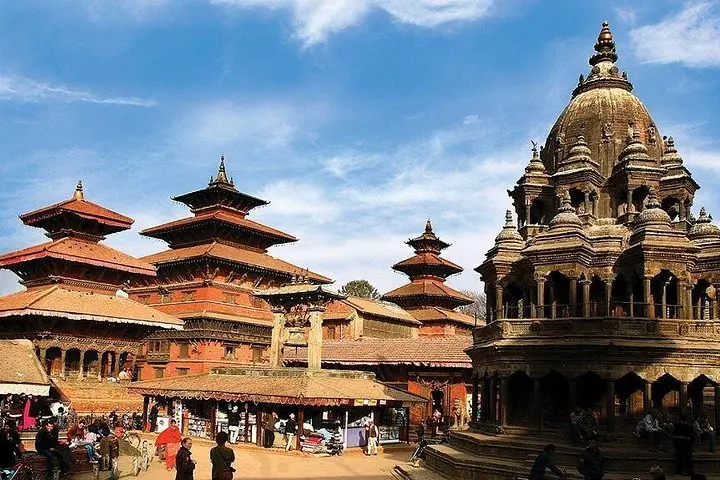
You step from the car into a fold of Kathmandu where smoke and prayer flags move the air — the Bagmati River glints below the terraces of Pashupatinath while the white dome of Boudhanath rises a short drive away, crowned by painted eyes that watch the city.
You step from the car into a fold of Kathmandu where smoke and prayer flags move the air — the Bagmati River glints below the terraces of Pashupatinath while the white dome of Boudhanath rises a short drive away, crowned by painted eyes that watch the city.
Pashupatinath is one of South Asia’s most important Hindu temple complexes and an active cremation ground; rituals here have shaped Newar and broader Nepali practice for centuries. Boudhanath, built along ancient trade routes and rebuilt after the 2015 earthquakes, is one of the largest stupas in the world and a focal point for Tibetan Buddhism in Nepal.
Geology and human history meet here: the valley’s alluvial plains made Kathmandu a crossroads, while surviving stupas and pagoda roofs show the region’s layered craft traditions. Expect to pass shrines, sadhus, monks and families performing rites — your guide will explain protocols like removing shoes at specific shrines, modest dress, and where photography is appropriate.
In practical terms this is a compact, four‑hour private tour with hotel pickup and drop‑off and a maximum of 12 guests. Paths are paved or packed earth with short walks; some areas have steps or uneven stone. There may be modest entrance fees at certain buildings and some sites still show quake damage, so treat fragile structures with care.
Bring water, wear modest layers that cover shoulders and knees, and plan for late‑morning or late‑afternoon light for the best photos. The tour is accessible to most travelers and gives a clear, concentrated introduction to Kathmandu’s living religious heritage.