THE ADVENTURE COLLECTIVE® · Independent discovery and booking for outdoor travel
Spend five hours moving from Waikiki’s bustle to the solemn calm of the USS Arizona Memorial. This guided tour combines downtown Honolulu history with a thoughtful visit to Pearl Harbor’s exhibits and shoreline viewpoints.
Spend five hours moving from Waikiki’s bustle to the solemn calm of the USS Arizona Memorial. This guided tour combines downtown Honolulu history with a thoughtful visit to Pearl Harbor’s exhibits and shoreline viewpoints.
The bus eases out of Waikiki and the city’s high-rises blur into open sky as you approach Pearl Harbor. Salt and diesel hang faintly on the breeze; across the blue water sits the USS Arizona Memorial, a low white structure that draws attention for its quiet gravity. On this five‑hour tour, a guide moves you through streets and stories—kingdom-era government buildings, a stately palace, then the National Memorial where history and memory meet.
Verified experiences and guided adventures in the surrounding area.
Operated by E Noa Tours · Honolulu, Hawaii
The bus eases out of Waikiki and the city’s high-rises blur into open sky as you approach Pearl Harbor. Salt and diesel hang faintly on the breeze; across the blue water sits the USS Arizona Memorial, a low white structure that draws attention for its quiet gravity. On this five‑hour tour, a guide moves you through streets and stories—kingdom-era government buildings, a stately palace, then the National Memorial where history and memory meet.
Honolulu’s downtown tells a layered story: native Hawaiian monarchy, the sugar‑and‑plantation era, and a sudden World War II rupture that redefined the island’s place in the Pacific. Geologically, Oʻahu is a volcanic remnant—craggy ridgelines and shallow reefs shaped the harbor that became a naval anchorage. Culturally, today’s Honolulu is a working city with deep Hawaiian, Asian, and military influences, visible in cuisine, memorials, and public architecture.
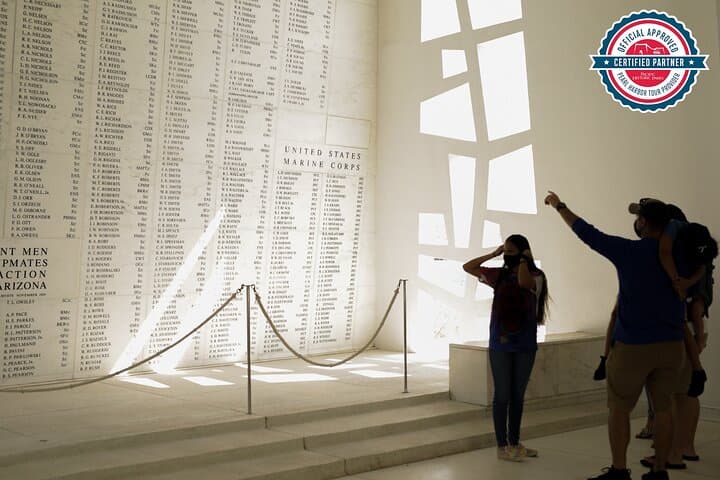
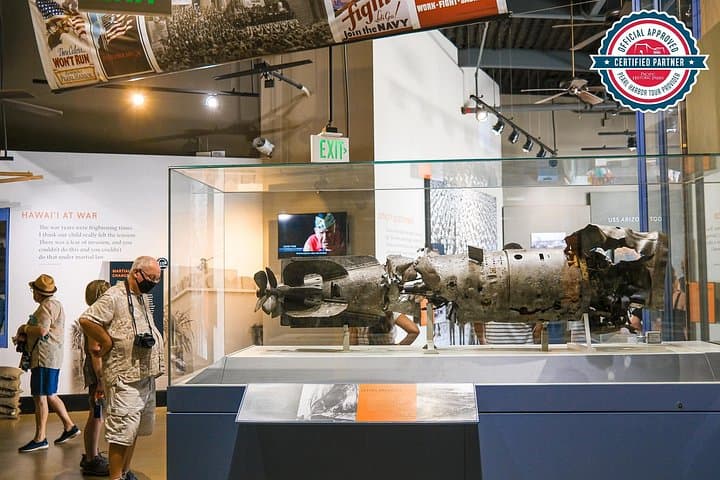
Expect a mix of drive‑bys and focused stops. Time at the Pearl Harbor Visitor Center and World War II Valor in the Pacific is contemplative: exhibits, films, and artifacts frame the December 7, 1941 attack; the Arizona Memorial overlooks the sunken battleship’s outline below the water.
Practical guidance: wear comfortable shoes and smart‑casual clothes; shirts and shoes are required at the memorial. Security limits bags—travel light and carry photo ID. The guided format suits most fitness levels but involves standing and short walks; bring sun protection and a refillable water bottle. Allow time to reflect—the sites are designed for respectful observation, not sightseeing selfies.
Boat shuttle operations can be modified due to weather or dock repairs; guides will use exhibits and film if the shuttle is unavailable.
Large bags are restricted for security reasons; storage is available on site for a fee—travel light when possible.
Yes, the tour and transportation options are wheelchair accessible, and many memorial areas have accessible surfaces.
The tour includes access planning but boat shuttle access can be limited; your guide coordinates tickets when available and will advise if only visitor center access is possible.
E Noa Tours operates guided outdoor trips and adventures with an emphasis on safety, stewardship, and memorable experiences.
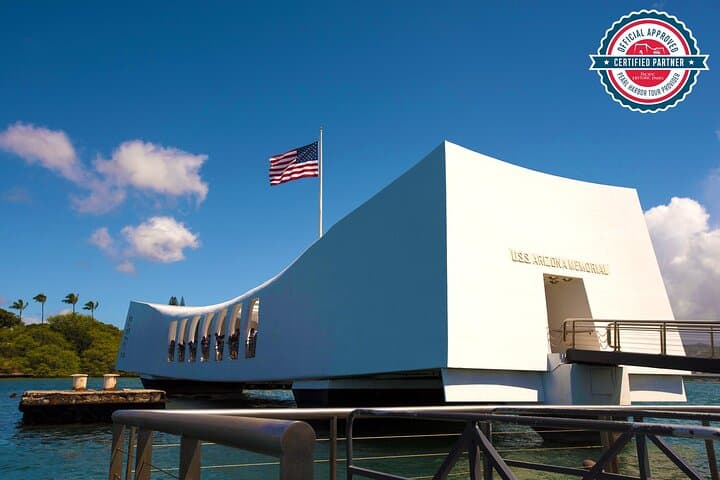
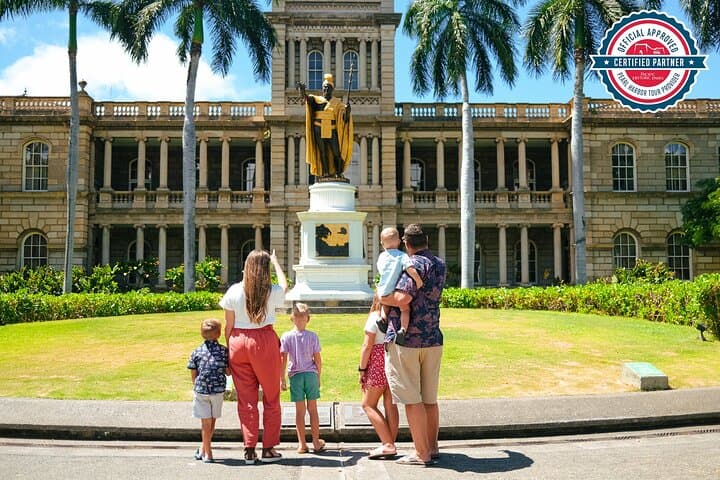
The bus eases out of Waikiki and the city’s high-rises blur into open sky as you approach Pearl Harbor. Salt and diesel hang faintly on the breeze; across the blue water sits the USS Arizona Memorial, a low white structure that draws attention for its quiet gravity. On this five‑hour tour, a guide moves you through streets and stories—kingdom-era government buildings, a stately palace, then the National Memorial where history and memory meet.
The bus eases out of Waikiki and the city’s high-rises blur into open sky as you approach Pearl Harbor. Salt and diesel hang faintly on the breeze; across the blue water sits the USS Arizona Memorial, a low white structure that draws attention for its quiet gravity. On this five‑hour tour, a guide moves you through streets and stories—kingdom-era government buildings, a stately palace, then the National Memorial where history and memory meet.
Honolulu’s downtown tells a layered story: native Hawaiian monarchy, the sugar‑and‑plantation era, and a sudden World War II rupture that redefined the island’s place in the Pacific. Geologically, Oʻahu is a volcanic remnant—craggy ridgelines and shallow reefs shaped the harbor that became a naval anchorage. Culturally, today’s Honolulu is a working city with deep Hawaiian, Asian, and military influences, visible in cuisine, memorials, and public architecture.
Expect a mix of drive‑bys and focused stops. Time at the Pearl Harbor Visitor Center and World War II Valor in the Pacific is contemplative: exhibits, films, and artifacts frame the December 7, 1941 attack; the Arizona Memorial overlooks the sunken battleship’s outline below the water.
Practical guidance: wear comfortable shoes and smart‑casual clothes; shirts and shoes are required at the memorial. Security limits bags—travel light and carry photo ID. The guided format suits most fitness levels but involves standing and short walks; bring sun protection and a refillable water bottle. Allow time to reflect—the sites are designed for respectful observation, not sightseeing selfies.
