THE ADVENTURE COLLECTIVE® · Independent discovery and booking for outdoor travel

Cruise to Philae Temple’s island sanctuary, read ancient reliefs, then stand above Lake Nasser at the Aswan High Dam. This focused half-day tour pairs sacred architecture with modern engineering and fits most fitness levels.
Cruise to Philae Temple’s island sanctuary, read ancient reliefs, then stand above Lake Nasser at the Aswan High Dam. This focused half-day tour pairs sacred architecture with modern engineering and fits most fitness levels.
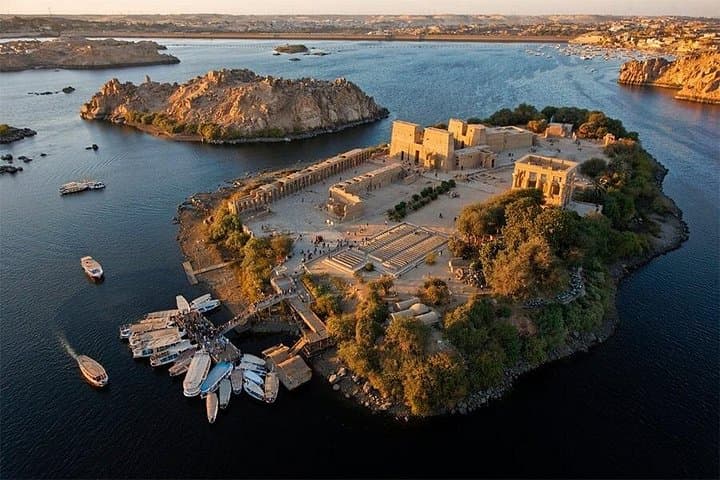
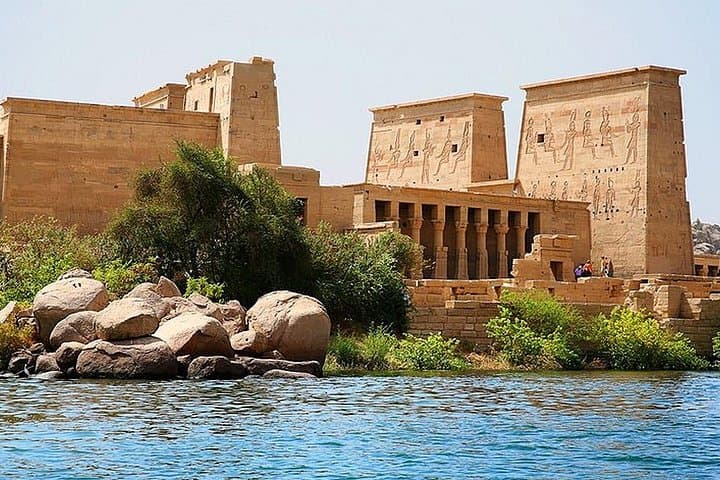
The boat slips quietly toward Agilkia Island and the stone blocks of Philae rise like a storybook rebuilt from the Nile itself. Warm wind off the river pushes across open terraces; hieroglyphs watch, their grooves softened by centuries of sun and sand.
Verified experiences and guided adventures in the surrounding area.
Operated by Egypt Sunny Tours · Aswan, Aswan Governorate
The boat slips quietly toward Agilkia Island and the stone blocks of Philae rise like a storybook rebuilt from the Nile itself. Warm wind off the river pushes across open terraces; hieroglyphs watch, their grooves softened by centuries of sun and sand.
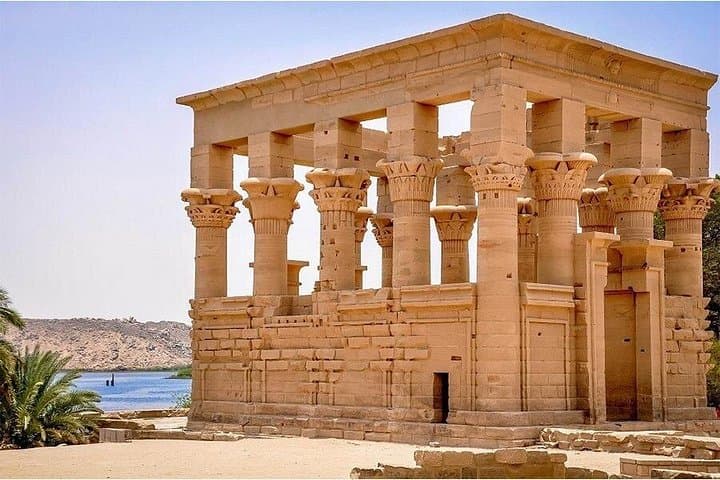
Philae was dedicated to Isis and relocated brick by brick during the 1960s UNESCO salvage to escape Lake Nasser’s rise. The temple’s reliefs and colonnades reveal Ptolemaic layering—Egyptian motifs filtered through Hellenistic touch. Across the river, the Aswan High Dam marks a different era: a mid-20th-century engineering spine that reshaped flow, agriculture and settlement by creating the vast reservoir of Lake Nasser.
Geology here is visible in the granite outcrops that frame the Nile; granite quarried from local boulders in antiquity still props ancient thresholds. Culturally, Aswan sits at an intersection of Nubian heritage and modern Egyptian state planning—expect to hear both local folktales and technical accounts from guides.
Practical guidance: the half-day format runs about four hours and is accessible to most fitness levels. Wear sun-protective clothing, bring bottled water, and favor flat shoes for wet docks and uneven temple flooring. Morning slots avoid the peak heat and offer crisper light for photography; late afternoon brings softer shadows on the reliefs.
On a brief itinerary you’ll move from ritual space to industrial scale—ancient stones inviting quiet inspection, the dam offering a sweeping lesson in human impact on river landscapes. The trip balances history, engineering, and easy river travel into a focused half-day experience.
The excursion runs about four hours total, typically including boat transfer time, a guided visit to Philae (around 90–150 minutes combined stops), and a visit to the High Dam.
This offering lists admission as not included; check the booking details and bring local currency or confirm tickets through your operator.
The listing indicates wheelchair accessibility for transport and surfaces, but boat boarding and uneven temple stone may present challenges—confirm needs with the operator in advance.
Morning avoids peak heat and glare; late afternoon has nicer shadows for reliefs but can limit time at the High Dam before sunset.
Egypt Sunny Tours operates guided outdoor trips and adventures with an emphasis on safety, stewardship, and memorable experiences.

The boat slips quietly toward Agilkia Island and the stone blocks of Philae rise like a storybook rebuilt from the Nile itself. Warm wind off the river pushes across open terraces; hieroglyphs watch, their grooves softened by centuries of sun and sand.
The boat slips quietly toward Agilkia Island and the stone blocks of Philae rise like a storybook rebuilt from the Nile itself. Warm wind off the river pushes across open terraces; hieroglyphs watch, their grooves softened by centuries of sun and sand.
Philae was dedicated to Isis and relocated brick by brick during the 1960s UNESCO salvage to escape Lake Nasser’s rise. The temple’s reliefs and colonnades reveal Ptolemaic layering—Egyptian motifs filtered through Hellenistic touch. Across the river, the Aswan High Dam marks a different era: a mid-20th-century engineering spine that reshaped flow, agriculture and settlement by creating the vast reservoir of Lake Nasser.
Geology here is visible in the granite outcrops that frame the Nile; granite quarried from local boulders in antiquity still props ancient thresholds. Culturally, Aswan sits at an intersection of Nubian heritage and modern Egyptian state planning—expect to hear both local folktales and technical accounts from guides.
Practical guidance: the half-day format runs about four hours and is accessible to most fitness levels. Wear sun-protective clothing, bring bottled water, and favor flat shoes for wet docks and uneven temple flooring. Morning slots avoid the peak heat and offer crisper light for photography; late afternoon brings softer shadows on the reliefs.
On a brief itinerary you’ll move from ritual space to industrial scale—ancient stones inviting quiet inspection, the dam offering a sweeping lesson in human impact on river landscapes. The trip balances history, engineering, and easy river travel into a focused half-day experience.