THE ADVENTURE COLLECTIVE® · Independent discovery and booking for outdoor travel

Spend a half‑day at Naankuse Wildlife Sanctuary observing cheetahs, leopards, lions and other predators during a guided feeding and interpretive talk. This controlled encounter pairs up‑close photo moments with practical conservation insights and a scenic reserve drive.
Spend a half‑day at Naankuse Wildlife Sanctuary observing cheetahs, leopards, lions and other predators during a guided feeding and interpretive talk. This controlled encounter pairs up‑close photo moments with practical conservation insights and a scenic reserve drive.
Dawn light slices across open thornveld as guides steer the air‑conditioned vehicle toward Naankuse Wildlife Sanctuary, the wind carrying the distant low thrum of big cats. Within an hour you're at a shaded viewing hide where the ambassadored carnivores—cheetahs, leopards, lions, wild dogs and caracals—move with purpose. You watch trained staff deliver food, then observe each animal’s muscle memory and social cues at close range while a guide explains what drives their behavior.
Verified experiences and guided adventures in the surrounding area.
Operated by People Tours and Safari cc · Windhoek, Khomas
Dawn light slices across open thornveld as guides steer the air‑conditioned vehicle toward Naankuse Wildlife Sanctuary, the wind carrying the distant low thrum of big cats. Within an hour you're at a shaded viewing hide where the ambassadored carnivores—cheetahs, leopards, lions, wild dogs and caracals—move with purpose. You watch trained staff deliver food, then observe each animal’s muscle memory and social cues at close range while a guide explains what drives their behavior.
Naankuse started as a private conservation reserve and rehabilitation center south‑west of Windhoek, evolving into a research and community outreach hub focused on predator protection and reducing human–wildlife conflict. The terrain here is Kalahari‑influenced savanna: red sand, stunted acacia, and scattered granite kopjes that shape where animals rest and hunt. Local Herero and Nama communities have long lived with these landscapes; today conservationists work with landowners to create corridors and education programs.
Practical guidance: tours run about five hours and usually include a guided feeding, an interpretive talk, and a scenic drive across the reserve (group sizes are small, often under ten). Wear closed shoes and sun protection—paths can be uneven and exposure is high. Expect moderate walking and follow all guide instructions around animals; this is a controlled encounter, not a wild safari. Bring a long lens for photos, carry water, and plan transport: many operators include Windhoek pickup. The experience is both a photography opportunity and a conservation lesson—observing carnivore behavior while learning how Namibia balances people and predators.
Encounters take place in controlled viewing areas and hides—guides maintain safe distances and barriers; you can get close visually but not touch the animals.
Children may attend, but check age limits with the operator; guardians must supervise and follow all safety instructions.
Photography is encouraged but flash is typically prohibited because it can startle animals—use a telephoto lens and fast shutter speeds instead.
Many operators offer pickup and drop‑off from Windhoek—confirm at booking since meeting points and transfers vary.
People Tours and Safari cc operates guided outdoor trips and adventures with an emphasis on safety, stewardship, and memorable experiences.
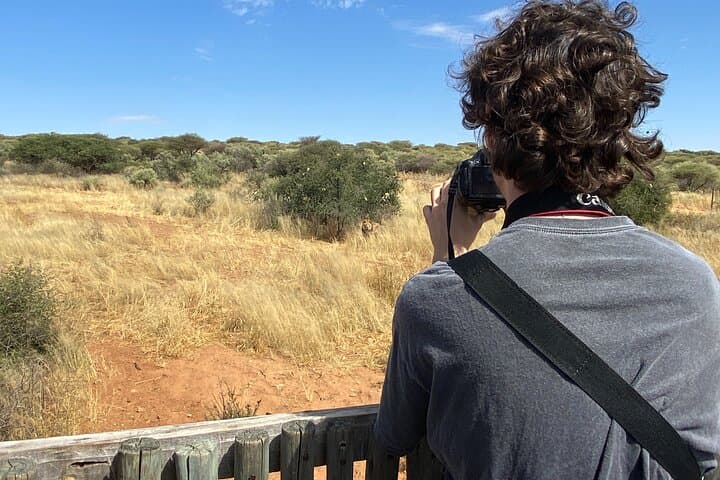
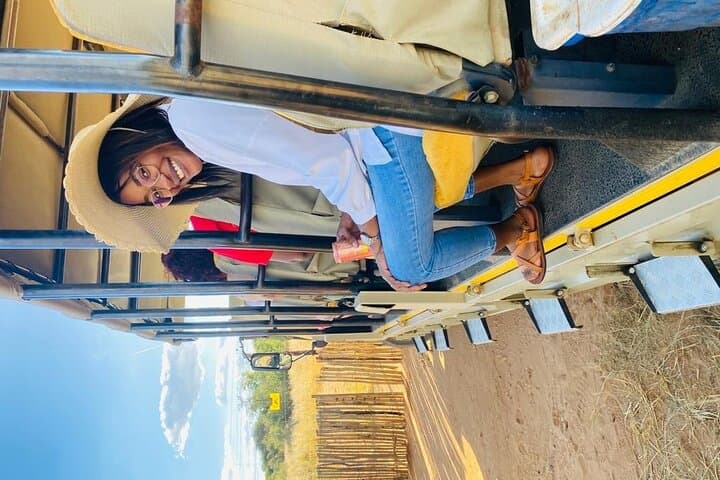
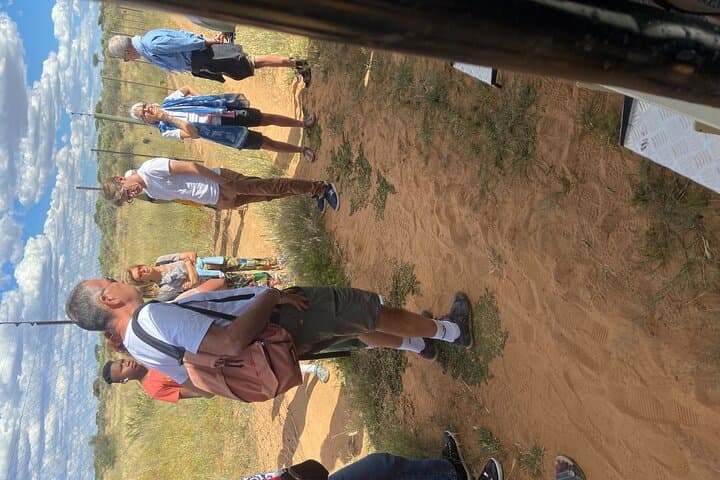
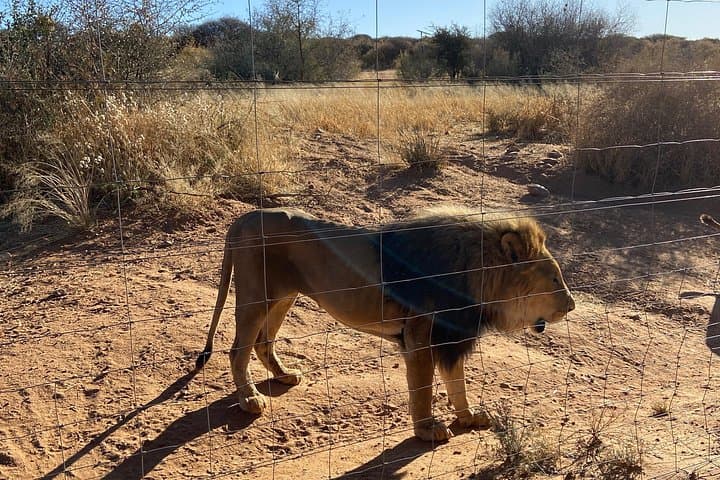
Dawn light slices across open thornveld as guides steer the air‑conditioned vehicle toward Naankuse Wildlife Sanctuary, the wind carrying the distant low thrum of big cats. Within an hour you're at a shaded viewing hide where the ambassadored carnivores—cheetahs, leopards, lions, wild dogs and caracals—move with purpose. You watch trained staff deliver food, then observe each animal’s muscle memory and social cues at close range while a guide explains what drives their behavior.
Dawn light slices across open thornveld as guides steer the air‑conditioned vehicle toward Naankuse Wildlife Sanctuary, the wind carrying the distant low thrum of big cats. Within an hour you're at a shaded viewing hide where the ambassadored carnivores—cheetahs, leopards, lions, wild dogs and caracals—move with purpose. You watch trained staff deliver food, then observe each animal’s muscle memory and social cues at close range while a guide explains what drives their behavior.
Naankuse started as a private conservation reserve and rehabilitation center south‑west of Windhoek, evolving into a research and community outreach hub focused on predator protection and reducing human–wildlife conflict. The terrain here is Kalahari‑influenced savanna: red sand, stunted acacia, and scattered granite kopjes that shape where animals rest and hunt. Local Herero and Nama communities have long lived with these landscapes; today conservationists work with landowners to create corridors and education programs.
Practical guidance: tours run about five hours and usually include a guided feeding, an interpretive talk, and a scenic drive across the reserve (group sizes are small, often under ten). Wear closed shoes and sun protection—paths can be uneven and exposure is high. Expect moderate walking and follow all guide instructions around animals; this is a controlled encounter, not a wild safari. Bring a long lens for photos, carry water, and plan transport: many operators include Windhoek pickup. The experience is both a photography opportunity and a conservation lesson—observing carnivore behavior while learning how Namibia balances people and predators.