THE ADVENTURE COLLECTIVE® · Independent discovery and booking for outdoor travel

Spend a private half-day exploring Pantanos de Villa with an experienced birder-guide. This accessible Lima wetland yields 50–80 species in a good morning—ideal for first-time birders and seasoned twitchers alike.
Spend a private half-day exploring Pantanos de Villa with an experienced birder-guide. This accessible Lima wetland yields 50–80 species in a good morning—ideal for first-time birders and seasoned twitchers alike.
The morning arrives over the salt-slick flats of Lima’s southern coast like a slow exhale. On a narrow boardwalk the guide pauses and tilts a spotting scope toward a reed-bed where a line of cinnamon-and-black rails moves like punctuation; gulls wheel above, and a flash of copper from a migrant warbler slides into cover. That hush—broken only by soft clicks of cameras and the occasional call from the guide—frames a half-day that introduces travelers to one of Peru’s most accessible wetland systems.
Verified experiences and guided adventures in the surrounding area.
Operated by Exploring Dreams Peru · Lima, Lima
The morning arrives over the salt-slick flats of Lima’s southern coast like a slow exhale. On a narrow boardwalk the guide pauses and tilts a spotting scope toward a reed-bed where a line of cinnamon-and-black rails moves like punctuation; gulls wheel above, and a flash of copper from a migrant warbler slides into cover. That hush—broken only by soft clicks of cameras and the occasional call from the guide—frames a half-day that introduces travelers to one of Peru’s most accessible wetland systems.
This private, four-hour outing typically visits the protected coastal marsh known locally as Pantanos de Villa, a remnant estuary shaped by the Humboldt Current and the flow of seasonal rivers from the Andean foothills. Once threatened by development and landfill, the area gained protected status in the 1990s; today it functions as an island of habitat for resident species and migratory stopovers. Geologically the site is formed of sandbars, tidal channels and organic peat deposits that hold shallow pools at low tide, creating feeding grounds favored by shorebirds.
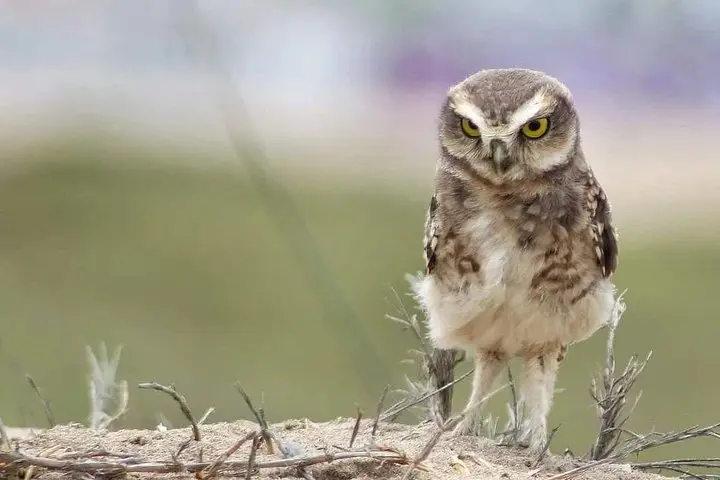
Culturally, the reserve sits at the edge of Lima’s working neighborhoods—an unusual crossroad where city life gives way to reed beds and bird song. Local conservation groups and community rangers lead monitoring programs; many guide teams on this tour are veteran birders with deep knowledge of species behavior and seasonal movements. Guides frequently log 50–80 species on a good half-day and the reserve’s checklist exceeds 210 species overall, including resident rails, Neotropic cormorants, and migratory sandpipers.
Practical guidance is straightforward. The tour is private and includes hotel pickup; plan for early morning light when birds are most active and temperatures are coolest. Expect flat terrain with boardwalks and short dirt paths—accessible for most mobility levels (the tour lists wheelchair accessibility). Bring a compact spotting scope or binoculars (the guide provides scopes for the group), sunscreen, a wide-brimmed hat, and a refillable water bottle. Rain is rare but coastal mist can chill; a light, windproof layer is wise year-round.
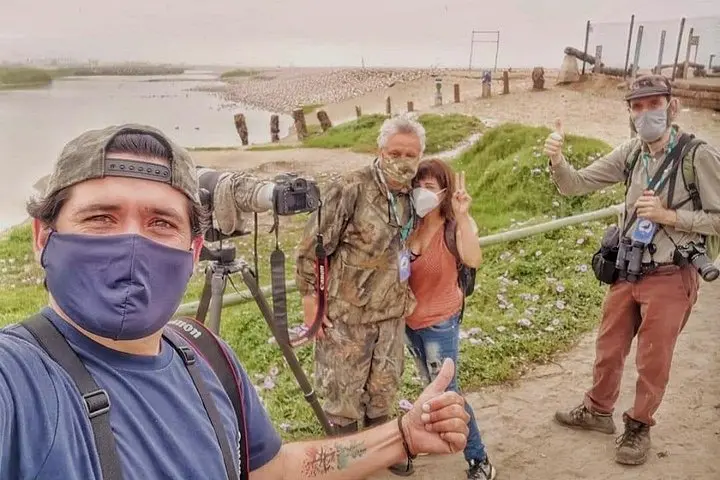
Photographers will want a telephoto lens, a steadying monopod or bean bag for scope shots, and patience—views open and close with the tide and the birds’ mood. Respect buffer distances: guides enforce quiet, slow movement and no-flash photography near nesting areas. The real reward here is not a single dramatic encounter but the accumulation: flocks rearranging, a furtive rail revealing itself, and the knowledge that this close-to-the-city wetland still dares migratory birds to pause and refuel before continuing long journeys.
The private half-day tour runs about 260 minutes (roughly 4–4.5 hours) including transportation and a three-hour guided visit in the protected wetland.
Guides typically visit Pantanos de Villa, a protected coastal wetland south of central Lima known for its mix of resident and migratory species.
Yes—private transportation with hotel pickup is included; the operator coordinates the exact meeting time and pickup point.
The listing notes wheelchair accessibility on boardwalks and transport options that can accommodate mobility needs—confirm specifics when booking.
Expect Neotropic cormorants, various sandpipers and plovers, rails, and seasonal migrants; the reserve’s checklist exceeds 210 species overall.
No—this private tour is suitable for beginners and experienced birders; guides tailor the experience to your interests and pace.
Exploring Dreams Peru operates guided outdoor trips and adventures with an emphasis on safety, stewardship, and memorable experiences.
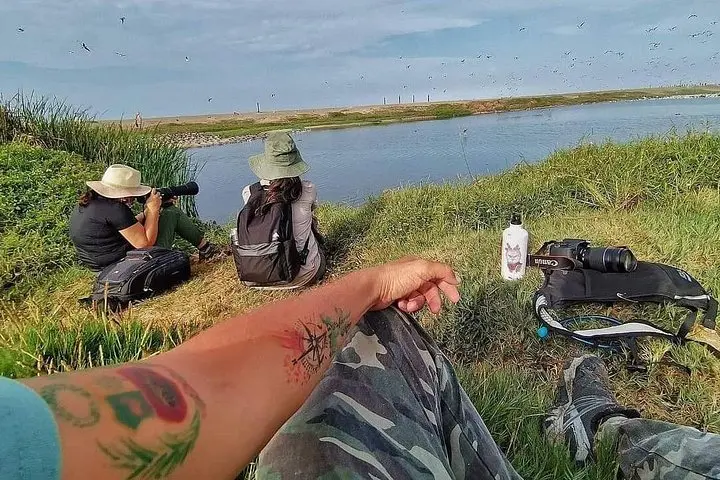

The morning arrives over the salt-slick flats of Lima’s southern coast like a slow exhale. On a narrow boardwalk the guide pauses and tilts a spotting scope toward a reed-bed where a line of cinnamon-and-black rails moves like punctuation; gulls wheel above, and a flash of copper from a migrant warbler slides into cover. That hush—broken only by soft clicks of cameras and the occasional call from the guide—frames a half-day that introduces travelers to one of Peru’s most accessible wetland systems.
The morning arrives over the salt-slick flats of Lima’s southern coast like a slow exhale. On a narrow boardwalk the guide pauses and tilts a spotting scope toward a reed-bed where a line of cinnamon-and-black rails moves like punctuation; gulls wheel above, and a flash of copper from a migrant warbler slides into cover. That hush—broken only by soft clicks of cameras and the occasional call from the guide—frames a half-day that introduces travelers to one of Peru’s most accessible wetland systems.
This private, four-hour outing typically visits the protected coastal marsh known locally as Pantanos de Villa, a remnant estuary shaped by the Humboldt Current and the flow of seasonal rivers from the Andean foothills. Once threatened by development and landfill, the area gained protected status in the 1990s; today it functions as an island of habitat for resident species and migratory stopovers. Geologically the site is formed of sandbars, tidal channels and organic peat deposits that hold shallow pools at low tide, creating feeding grounds favored by shorebirds.
Culturally, the reserve sits at the edge of Lima’s working neighborhoods—an unusual crossroad where city life gives way to reed beds and bird song. Local conservation groups and community rangers lead monitoring programs; many guide teams on this tour are veteran birders with deep knowledge of species behavior and seasonal movements. Guides frequently log 50–80 species on a good half-day and the reserve’s checklist exceeds 210 species overall, including resident rails, Neotropic cormorants, and migratory sandpipers.
Practical guidance is straightforward. The tour is private and includes hotel pickup; plan for early morning light when birds are most active and temperatures are coolest. Expect flat terrain with boardwalks and short dirt paths—accessible for most mobility levels (the tour lists wheelchair accessibility). Bring a compact spotting scope or binoculars (the guide provides scopes for the group), sunscreen, a wide-brimmed hat, and a refillable water bottle. Rain is rare but coastal mist can chill; a light, windproof layer is wise year-round.
Photographers will want a telephoto lens, a steadying monopod or bean bag for scope shots, and patience—views open and close with the tide and the birds’ mood. Respect buffer distances: guides enforce quiet, slow movement and no-flash photography near nesting areas. The real reward here is not a single dramatic encounter but the accumulation: flocks rearranging, a furtive rail revealing itself, and the knowledge that this close-to-the-city wetland still dares migratory birds to pause and refuel before continuing long journeys.