THE ADVENTURE COLLECTIVE® · Independent discovery and booking for outdoor travel

Walk reclaimed slopes of Crete’s Botanical Park on a private half-day tour from Chania. Expect shaded gravel paths, spring-fed water, and a compact collection of Mediterranean fruit trees and herbs—perfect for a relaxed, informative outdoor escape.
Walk reclaimed slopes of Crete’s Botanical Park on a private half-day tour from Chania. Expect shaded gravel paths, spring-fed water, and a compact collection of Mediterranean fruit trees and herbs—perfect for a relaxed, informative outdoor escape.
Morning light slides between stone pines as the vehicle eases onto a quiet drive toward the Botanical Park north of Chania. The air carries the resin-sweet scent of cedar and the faint mineral chill of springs that feed the site from the White Mountains; paths unfurl ahead, shaded by mature trees and framed by terraces of Mediterranean herbs.
Verified experiences and guided adventures in the surrounding area.
Operated by MOYSIDIS TRAVEL · Chania, Crete
Morning light slides between stone pines as the vehicle eases onto a quiet drive toward the Botanical Park north of Chania. The air carries the resin-sweet scent of cedar and the faint mineral chill of springs that feed the site from the White Mountains; paths unfurl ahead, shaded by mature trees and framed by terraces of Mediterranean herbs.
The park occupies roughly 15–20 hectares and was reborn after the 2003 fires, now hosting more than 150 fruit trees and dozens of cultivated and wild plants. Geology here is typical of western Crete—limestone ridges feeding karst springs, shallow topsoils, and terraces shaped by centuries of olive cultivation. Culturally, the site sits in a region defined by small villages, family-run orchards, and a long tradition of using local flora for food and medicine.
On a private half-day you’ll move at a measured pace: 1–2 hours of walking inside the park within a 3–4 hour tour window that includes hotel pickup. Trails are mostly compacted soil and gravel with gentle slopes and regular rest benches—suitable for all fitness levels but watch for uneven sections after rain.
Practical notes: arrive early in summer to avoid heat, carry water even though bottled spring water is provided on board, and wear closed-toe shoes for loose gravel. Photography is rewarding at midday light and golden in late afternoon. Respect signage, don’t pick specimens, and alert guides to allergies (the operator provides infant seats and private transport). This is an accessible, contemplative outdoor experience that pairs natural history with easy exploration.
Yes—admission to the Botanical Park is included with this private half-day tour.
Guided wandering inside the park typically lasts 1–2 hours within the overall 2–4 hour half-day tour that includes transfers.
Yes—the tour includes hotel pickup and drop-off in Chania and surrounding areas as noted at booking.
Many main paths are compacted and accessible, but some sections have gravel or short slopes; inquire about specific assistance if mobility is limited.
MOYSIDIS TRAVEL operates guided outdoor trips and adventures with an emphasis on safety, stewardship, and memorable experiences.


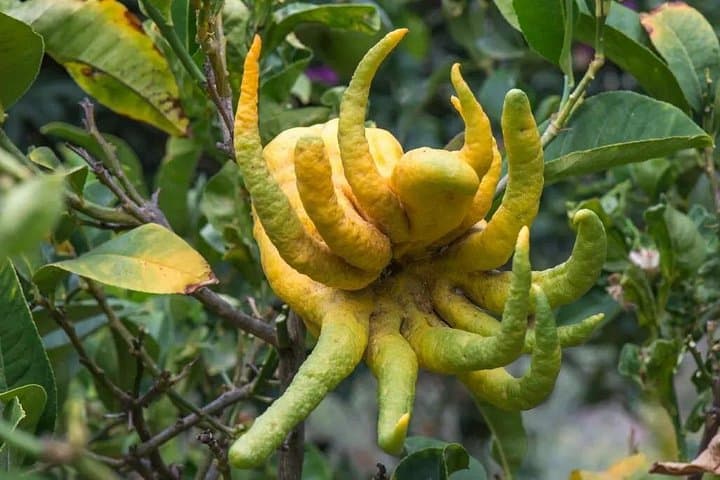

Morning light slides between stone pines as the vehicle eases onto a quiet drive toward the Botanical Park north of Chania. The air carries the resin-sweet scent of cedar and the faint mineral chill of springs that feed the site from the White Mountains; paths unfurl ahead, shaded by mature trees and framed by terraces of Mediterranean herbs.
Morning light slides between stone pines as the vehicle eases onto a quiet drive toward the Botanical Park north of Chania. The air carries the resin-sweet scent of cedar and the faint mineral chill of springs that feed the site from the White Mountains; paths unfurl ahead, shaded by mature trees and framed by terraces of Mediterranean herbs.
The park occupies roughly 15–20 hectares and was reborn after the 2003 fires, now hosting more than 150 fruit trees and dozens of cultivated and wild plants. Geology here is typical of western Crete—limestone ridges feeding karst springs, shallow topsoils, and terraces shaped by centuries of olive cultivation. Culturally, the site sits in a region defined by small villages, family-run orchards, and a long tradition of using local flora for food and medicine.
On a private half-day you’ll move at a measured pace: 1–2 hours of walking inside the park within a 3–4 hour tour window that includes hotel pickup. Trails are mostly compacted soil and gravel with gentle slopes and regular rest benches—suitable for all fitness levels but watch for uneven sections after rain.
Practical notes: arrive early in summer to avoid heat, carry water even though bottled spring water is provided on board, and wear closed-toe shoes for loose gravel. Photography is rewarding at midday light and golden in late afternoon. Respect signage, don’t pick specimens, and alert guides to allergies (the operator provides infant seats and private transport). This is an accessible, contemplative outdoor experience that pairs natural history with easy exploration.