THE ADVENTURE COLLECTIVE® · Independent discovery and booking for outdoor travel

Explore the Cu Chi Tunnels on a private half-day tour from Ho Chi Minh City: crawl through reconstructed galleries, learn guerrilla history from a local guide, and optionally try supervised shooting. This concise trip pairs transport and context for a focused, informative visit.
Explore the Cu Chi Tunnels on a private half-day tour from Ho Chi Minh City: crawl through reconstructed galleries, learn guerrilla history from a local guide, and optionally try supervised shooting. This concise trip pairs transport and context for a focused, informative visit.
You step out of an air-conditioned van into a low, green world: rubber trees stand regimented like sentries, earth paths run between cassava fields, and a faint echo of engines fades back toward Saigon. The Cu Chi site opens as a living classroom—tight tunnel mouths, trapdoors half-swallowed by soil, and small bunkers that once hid entire platoons.
Verified experiences and guided adventures in the surrounding area.
Operated by Insight Vietnam · Cu Chi, Ho Chi Minh
You step out of an air-conditioned van into a low, green world: rubber trees stand regimented like sentries, earth paths run between cassava fields, and a faint echo of engines fades back toward Saigon. The Cu Chi site opens as a living classroom—tight tunnel mouths, trapdoors half-swallowed by soil, and small bunkers that once hid entire platoons.
The network here began as simple foxholes and expanded into more than 200 km of tunnels used during the French and American wars. Geology is forgiving—soft lateritic soils that are easy to excavate yet stable enough to form narrow galleries. Local villages that supported the tunnels still grow rice and rubber; vendors sell sticky cassava snacks once common to fighters.
Cultural context matters: guides will explain guerrilla tactics, rationing, and the daily improvisation that kept fighters alive underground. There’s also a shooting range on many tours—handled with local oversight—where visitors can compare the controlled noise to the silence of the tunnel shafts.
Practical guidance: expect narrow, low-ceiling passages if you choose to crawl, and a few short walks across uneven, sometimes muddy ground. Wear closed-toe shoes and long sleeves, bring water and insect repellent, and allow roughly six hours including hotel pickup and drop-off. For mobility or heart concerns, skip the tunnels and explore surface displays. The private format gives time for questions and pacing—use it to focus on the parts of the site that matter most to you.
The tour is approximately six hours total and includes hotel pickup and drop-off from District 1 in Ho Chi Minh City.
You can choose to enter reconstructed, low-ceiling tunnels; staff typically offer an above-ground viewing alternative for those who prefer not to crawl.
Yes—shooting is supervised, optional, and handled by trained range staff; expect safety briefings and provided eye/ear protection.
Children can join but tunnels and shooting may not be suitable; the tour is not recommended for pregnant travelers or those with serious back or heart conditions.
Insight Vietnam operates guided outdoor trips and adventures with an emphasis on safety, stewardship, and memorable experiences.
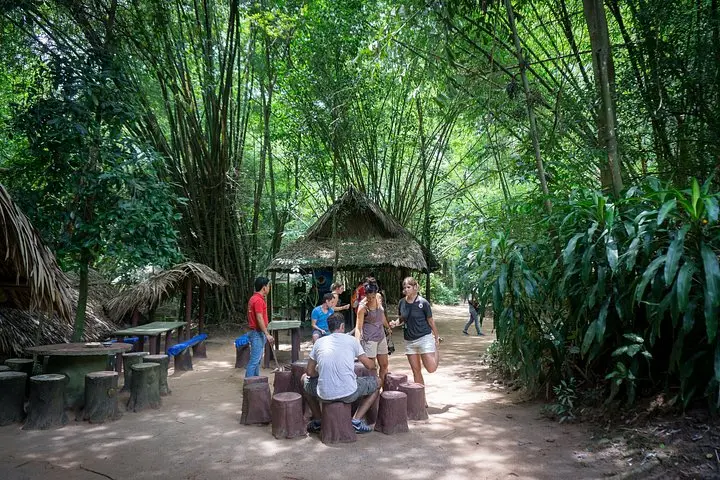
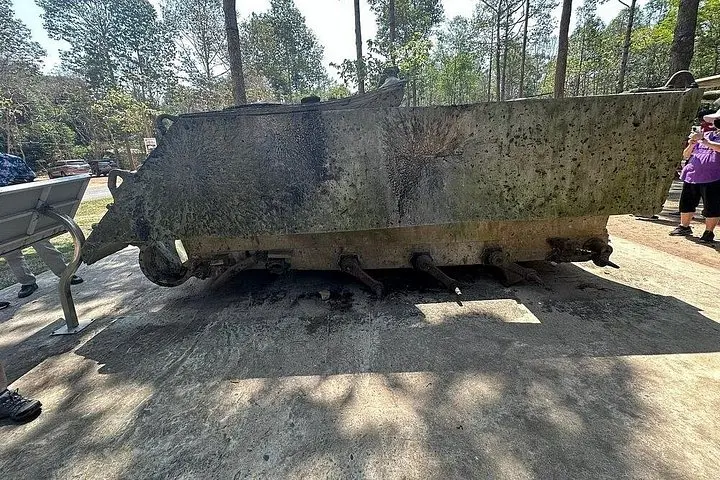
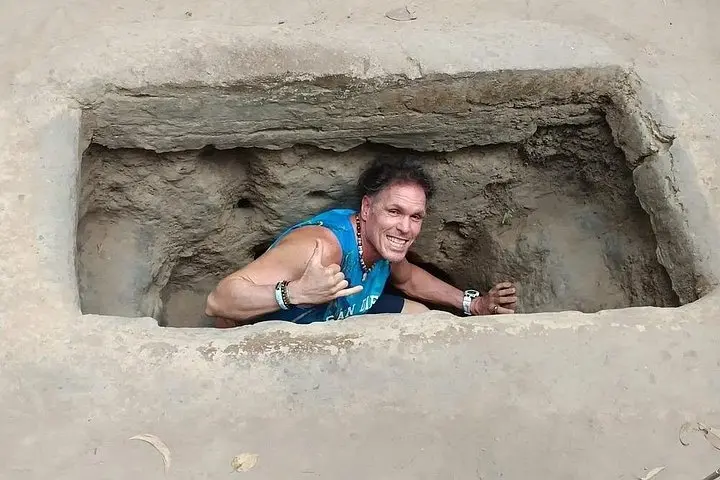
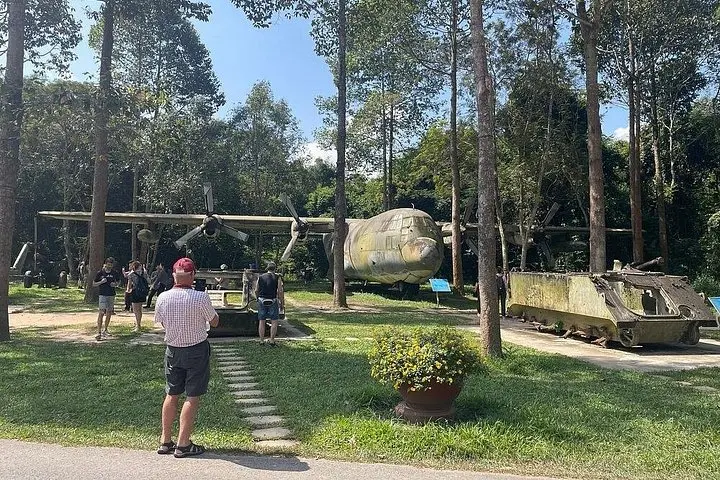
You step out of an air-conditioned van into a low, green world: rubber trees stand regimented like sentries, earth paths run between cassava fields, and a faint echo of engines fades back toward Saigon. The Cu Chi site opens as a living classroom—tight tunnel mouths, trapdoors half-swallowed by soil, and small bunkers that once hid entire platoons.
You step out of an air-conditioned van into a low, green world: rubber trees stand regimented like sentries, earth paths run between cassava fields, and a faint echo of engines fades back toward Saigon. The Cu Chi site opens as a living classroom—tight tunnel mouths, trapdoors half-swallowed by soil, and small bunkers that once hid entire platoons.
The network here began as simple foxholes and expanded into more than 200 km of tunnels used during the French and American wars. Geology is forgiving—soft lateritic soils that are easy to excavate yet stable enough to form narrow galleries. Local villages that supported the tunnels still grow rice and rubber; vendors sell sticky cassava snacks once common to fighters.
Cultural context matters: guides will explain guerrilla tactics, rationing, and the daily improvisation that kept fighters alive underground. There’s also a shooting range on many tours—handled with local oversight—where visitors can compare the controlled noise to the silence of the tunnel shafts.
Practical guidance: expect narrow, low-ceiling passages if you choose to crawl, and a few short walks across uneven, sometimes muddy ground. Wear closed-toe shoes and long sleeves, bring water and insect repellent, and allow roughly six hours including hotel pickup and drop-off. For mobility or heart concerns, skip the tunnels and explore surface displays. The private format gives time for questions and pacing—use it to focus on the parts of the site that matter most to you.