THE ADVENTURE COLLECTIVE® · Independent discovery and booking for outdoor travel

Explore Cusco’s most iconic Inca sites in a private half-day tour. Visit Sacsayhuamán, Qenqo, Puka Pukara, Tambomachay and Qoricancha with a bilingual guide and hotel pickup.
Explore Cusco’s most iconic Inca sites in a private half-day tour. Visit Sacsayhuamán, Qenqo, Puka Pukara, Tambomachay and Qoricancha with a bilingual guide and hotel pickup.
You step out of your hotel into the high, thin air of Cusco and the city seems to breathe history — narrow streets, stone foundations, and the Andes framing every view.
Verified experiences and guided adventures in the surrounding area.
Operated by Xplor Machu Picchu · Cusco, Cusco
You step out of your hotel into the high, thin air of Cusco and the city seems to breathe history — narrow streets, stone foundations, and the Andes framing every view.
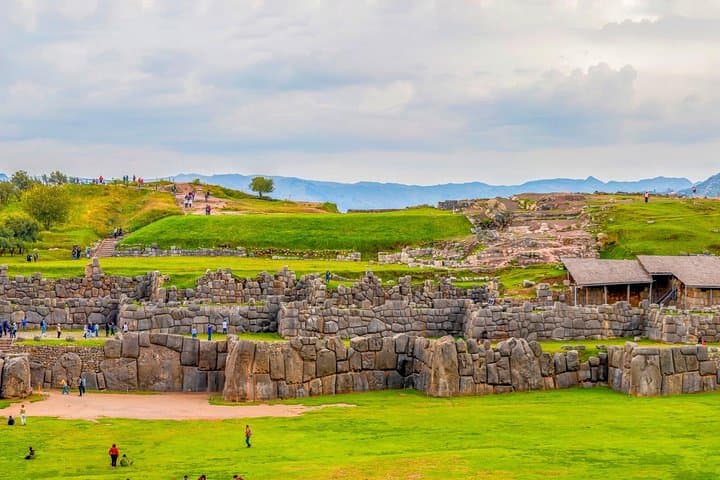
A private half-day tour moves deliberately: first Sacsayhuamán, where walls of interlocking stone curve like a man-made ridge and the weight of each block hints at Inca engineering and ceremonial power. Then Qenqo’s carved chambers welcome a quieter, shadowed mood; channels and altars carved from bedrock suggest rituals tied to cosmology and transition.
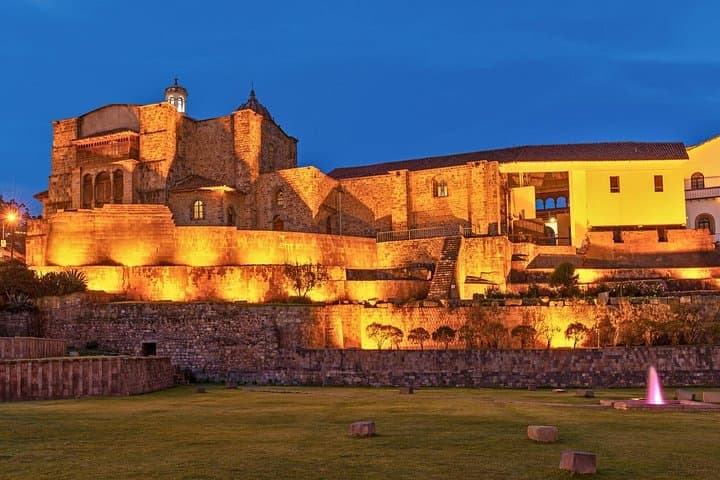
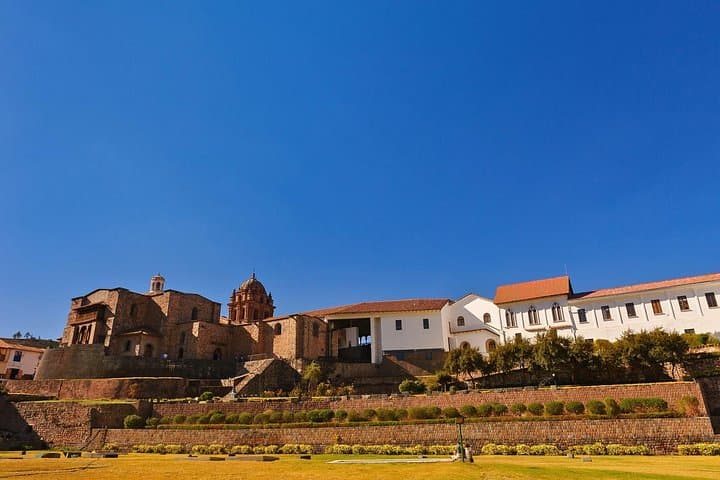
Puka Pukara reads like a military sketch in red-hued stone, offering strategic outlooks across valleys. Tambomachay’s neat channels still whisper the Incas’ hydraulic mastery — water as both technology and ritual. Returning to the city, Qoricancha folds history into architecture: Inca masonry under Spanish convent walls, and the story of cultural contact etched in every wall joint.
This tour is as much about context as sight-seeing: expect clear explanations of Inca political organization, hydraulic science, and the colonial layering that followed. Travel time is short between stops in private transport; most visits are short walks on uneven stone and terraces at 3,400–3,800 m elevation.
Practical notes: pace yourself for altitude, wear grippy walking shoes, bring water and a sun layer, and allow time for photos. A bilingual guide and hotel pickup make the logistics simple, leaving you to read the landscape and hear why these sites still shape Cusco’s pulse.
The private tour lasts about 4–5 hours; exact pickup time is arranged with the provider and typically starts in the morning to avoid afternoon weather.
Yes — the tour is classified easy with short walks, but participants should manage stairs and uneven stone; disclose any mobility issues when booking.
Entrance to Qoricancha is included; admissions to the other sites are included per the itinerary — confirm with your booking confirmation.
Symptoms vary; allow time to acclimatize in Cusco, stay hydrated, eat lightly, and consider medication if you have a history of altitude sickness.
Xplor Machu Picchu operates guided outdoor trips and adventures with an emphasis on safety, stewardship, and memorable experiences.
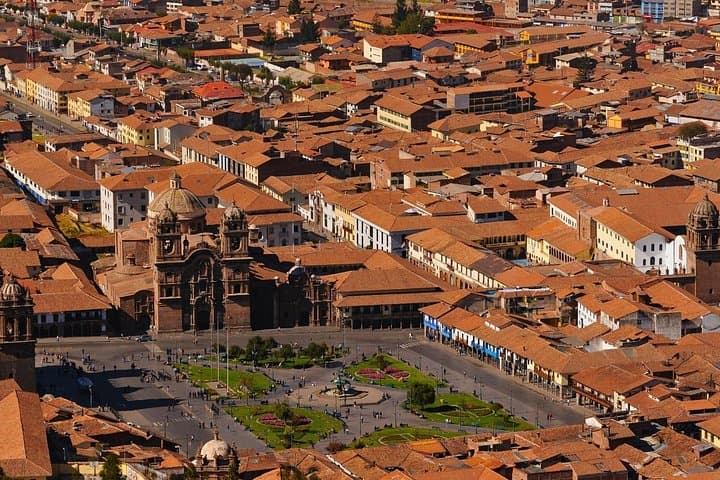
You step out of your hotel into the high, thin air of Cusco and the city seems to breathe history — narrow streets, stone foundations, and the Andes framing every view.
You step out of your hotel into the high, thin air of Cusco and the city seems to breathe history — narrow streets, stone foundations, and the Andes framing every view.
A private half-day tour moves deliberately: first Sacsayhuamán, where walls of interlocking stone curve like a man-made ridge and the weight of each block hints at Inca engineering and ceremonial power. Then Qenqo’s carved chambers welcome a quieter, shadowed mood; channels and altars carved from bedrock suggest rituals tied to cosmology and transition.
Puka Pukara reads like a military sketch in red-hued stone, offering strategic outlooks across valleys. Tambomachay’s neat channels still whisper the Incas’ hydraulic mastery — water as both technology and ritual. Returning to the city, Qoricancha folds history into architecture: Inca masonry under Spanish convent walls, and the story of cultural contact etched in every wall joint.
This tour is as much about context as sight-seeing: expect clear explanations of Inca political organization, hydraulic science, and the colonial layering that followed. Travel time is short between stops in private transport; most visits are short walks on uneven stone and terraces at 3,400–3,800 m elevation.
Practical notes: pace yourself for altitude, wear grippy walking shoes, bring water and a sun layer, and allow time for photos. A bilingual guide and hotel pickup make the logistics simple, leaving you to read the landscape and hear why these sites still shape Cusco’s pulse.