THE ADVENTURE COLLECTIVE® · Independent discovery and booking for outdoor travel
See Hakone’s volcanic valleys, Lake Ashi’s lakeshore, and historic Tōkaidō checkpoints in a flexible private half-day tour. A local guide crafts the itinerary to match weather and your interests—expect 3–4 stops and separate fees for ropeways or boats.
See Hakone’s volcanic valleys, Lake Ashi’s lakeshore, and historic Tōkaidō checkpoints in a flexible private half-day tour. A local guide crafts the itinerary to match weather and your interests—expect 3–4 stops and separate fees for ropeways or boats.
You step into a cool car window and Hakone unfurls: steam rising from Owakudani like a live map of the earth, Lake Ashi laying a mirror below the mountains, and cedar-lined roads that once guided Edo-era travelers. The private half-day tour concentrates those contrasts—volcanic rawness, placid lake, and historic checkpoints—into a carefully paced four- to five-hour loop.
Verified experiences and guided adventures in the surrounding area.
Operated by Sunny tours Japan · Hakone, Kanagawa
You step into a cool car window and Hakone unfurls: steam rising from Owakudani like a live map of the earth, Lake Ashi laying a mirror below the mountains, and cedar-lined roads that once guided Edo-era travelers. The private half-day tour concentrates those contrasts—volcanic rawness, placid lake, and historic checkpoints—into a carefully paced four- to five-hour loop.
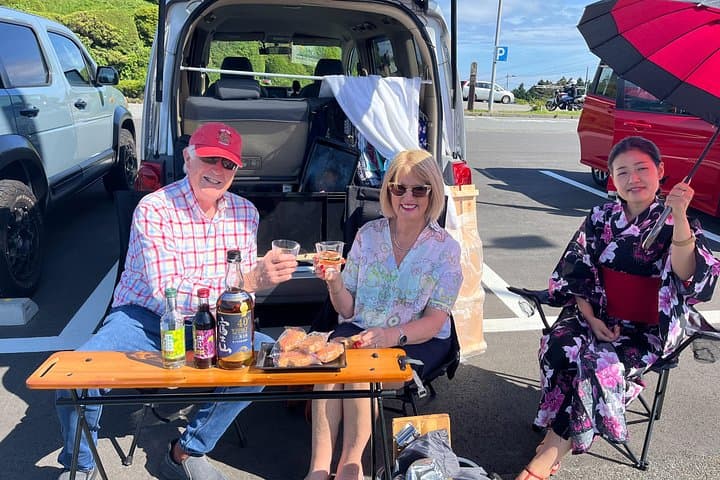
Hakone sits on a volcanic spine born of Japan’s Pacific plate collisions; the sulfurous vents of Owakudani are a reminder the landscape is still restless. Centuries of pilgrimage and trade shaped the region’s culture — the Hakone Checkpoint on the Tōkaidō road regulated travelers and now preserves Edo-era architecture and stories. Local crafts like Hakone yosegi marquetry and microbreweries at Tokinosumika add human texture to the geology.
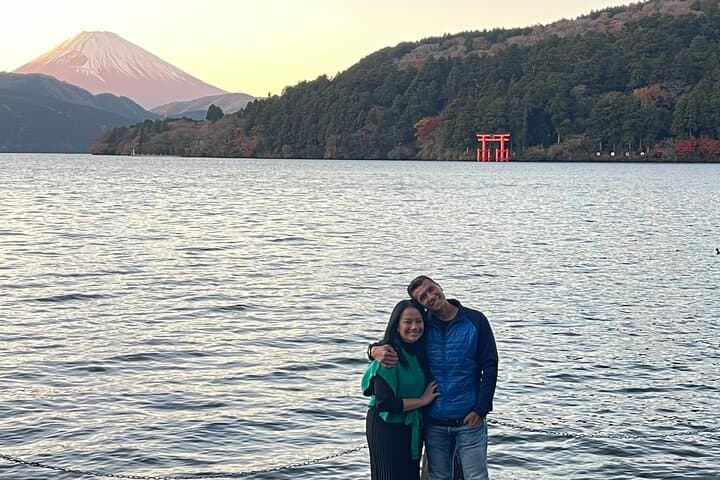
A local guide will tailor the route to season and visibility: Lake Ashi cruises and the vermilion torii at Hakone Shrine aim for clear skies and views of Mount Fuji, while ropeway access to Owakudani is subject to wind and sulfur emissions. Expect short walks at each stop, structured time limits (typically three to four sites), and separate fees for ropeways and boats.
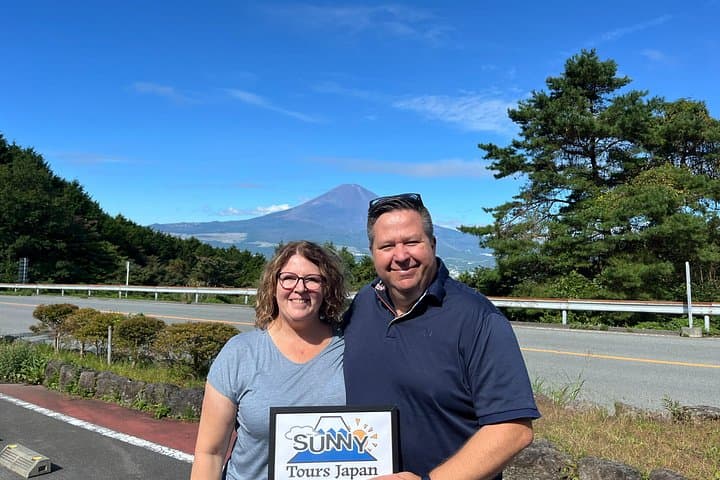
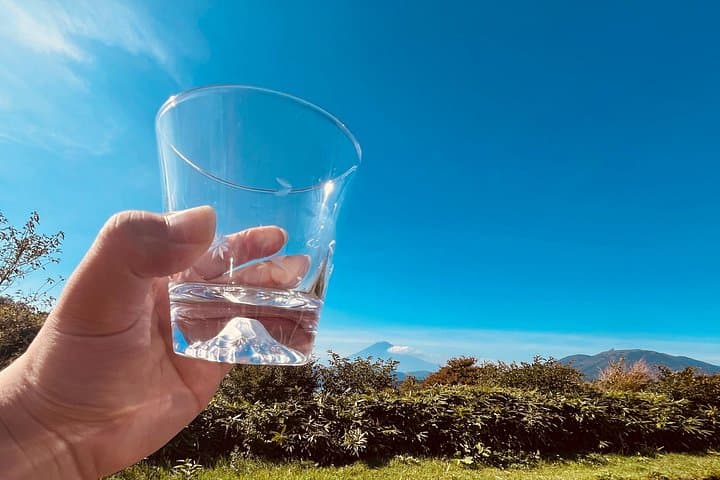
Practical notes: confirm your precise hotel pickup point in advance, carry Japanese yen for smaller vendors and the black eggs, and plan early mornings if you want a shot at unobstructed Fuji views. Wear sturdy shoes for uneven paths and a light layer for sudden mountain winds—the landscape changes mood faster than you can reach for a camera.
Pickup is arranged at your Hakone-area hotel or agreed public meeting point; confirm exact location and any parking restrictions when you book.
No—ropeway and sightseeing-boat fees are typically separate and paid on site; some cultural sites may have small admission charges.
Yes—this private tour is flexible; tell your guide your priorities during the briefing and they’ll propose a feasible 3–4 stop route within the time window.
The vehicle is accessible for strollers and short transfers, but some viewing platforms, steep paths, and Owakudani’s volcanic area can be difficult for wheelchairs—check individual site accessibility in advance.
Sunny tours Japan operates guided outdoor trips and adventures with an emphasis on safety, stewardship, and memorable experiences.
You step into a cool car window and Hakone unfurls: steam rising from Owakudani like a live map of the earth, Lake Ashi laying a mirror below the mountains, and cedar-lined roads that once guided Edo-era travelers. The private half-day tour concentrates those contrasts—volcanic rawness, placid lake, and historic checkpoints—into a carefully paced four- to five-hour loop.
You step into a cool car window and Hakone unfurls: steam rising from Owakudani like a live map of the earth, Lake Ashi laying a mirror below the mountains, and cedar-lined roads that once guided Edo-era travelers. The private half-day tour concentrates those contrasts—volcanic rawness, placid lake, and historic checkpoints—into a carefully paced four- to five-hour loop.
Hakone sits on a volcanic spine born of Japan’s Pacific plate collisions; the sulfurous vents of Owakudani are a reminder the landscape is still restless. Centuries of pilgrimage and trade shaped the region’s culture — the Hakone Checkpoint on the Tōkaidō road regulated travelers and now preserves Edo-era architecture and stories. Local crafts like Hakone yosegi marquetry and microbreweries at Tokinosumika add human texture to the geology.
A local guide will tailor the route to season and visibility: Lake Ashi cruises and the vermilion torii at Hakone Shrine aim for clear skies and views of Mount Fuji, while ropeway access to Owakudani is subject to wind and sulfur emissions. Expect short walks at each stop, structured time limits (typically three to four sites), and separate fees for ropeways and boats.
Practical notes: confirm your precise hotel pickup point in advance, carry Japanese yen for smaller vendors and the black eggs, and plan early mornings if you want a shot at unobstructed Fuji views. Wear sturdy shoes for uneven paths and a light layer for sudden mountain winds—the landscape changes mood faster than you can reach for a camera.
