THE ADVENTURE COLLECTIVE® · Independent discovery and booking for outdoor travel

Move from the open expanse of Tiananmen Square into the imperial corridors of the Forbidden City and then into the intimate alleys of Beijing’s hutongs. This four-hour private walking tour pairs cultural context with local bites—ideal for travelers who want history, architecture and street food in one compact morning.
Move from the open expanse of Tiananmen Square into the imperial corridors of the Forbidden City and then into the intimate alleys of Beijing’s hutongs. This four-hour private walking tour pairs cultural context with local bites—ideal for travelers who want history, architecture and street food in one compact morning.
Morning light flattens across Tiananmen Square, and security gates click open as your guide leads the way through a public stage that has hosted proclamations, parades and quiet daily rhythm alike. The vast plaza gives way to the Forbidden City’s red walls; within them, courtyards and carved beams hold five centuries of imperial routine. By late morning the ambient hum shifts — narrow hutong alleys take over the soundtrack, vendors calling, teahouses sending steam into the air as you taste knock-out dumplings and zhajiang noodles.
Verified experiences and guided adventures in the surrounding area.
Operated by Lily's Tour Company · Beijing, Beijing
Morning light flattens across Tiananmen Square, and security gates click open as your guide leads the way through a public stage that has hosted proclamations, parades and quiet daily rhythm alike. The vast plaza gives way to the Forbidden City’s red walls; within them, courtyards and carved beams hold five centuries of imperial routine. By late morning the ambient hum shifts — narrow hutong alleys take over the soundtrack, vendors calling, teahouses sending steam into the air as you taste knock-out dumplings and zhajiang noodles.
The route threads political history and urban life: Tiananmen was the site of the 1949 proclamation of the People’s Republic, while the Forbidden City, built between 1406–1420, represents Ming and Qing court planning and layered restorations from the 18th century onward. Geologically simple — the flat North China Plain — the city’s design instead reflects human engineering: filigreed gray tiles, compact courtyard houses, and lanes that channel wind and summer heat.
Expect a guided 4-hour walk with hotel pickup, passport check for the palace, and a stop at local food stalls where texture and sauce matter more than presentation. Practical notes: bring a valid passport to enter the Forbidden City, wear comfortable shoes for cobbled lanes and occasional steps, and carry small bills for street food. Start early to avoid peak crowds and midday heat; take advantage of your private guide to ask about family-run shops and where Beijingers still gather for late-afternoon tea. This half-day packs civic scale, imperial architecture and authentic hutong flavors into a compact, walkable experience.
Yes—your passport is required for admission to the Forbidden City and should be carried on the tour.
Transport and some public areas are accessible, but the Forbidden City and many hutong alleys include steps and narrow passages that may limit accessibility; check ahead for specific accommodations.
Yes—your private guide can steer you to vegetarian dishes like scallion pancakes or simple noodle preparations, but options at some stalls can be limited, so communicate dietary needs in advance.
For a full refund cancel at least 24 hours before the scheduled departure; same-day cancellations are non-refundable under the listed policy.
Lily's Tour Company operates guided outdoor trips and adventures with an emphasis on safety, stewardship, and memorable experiences.

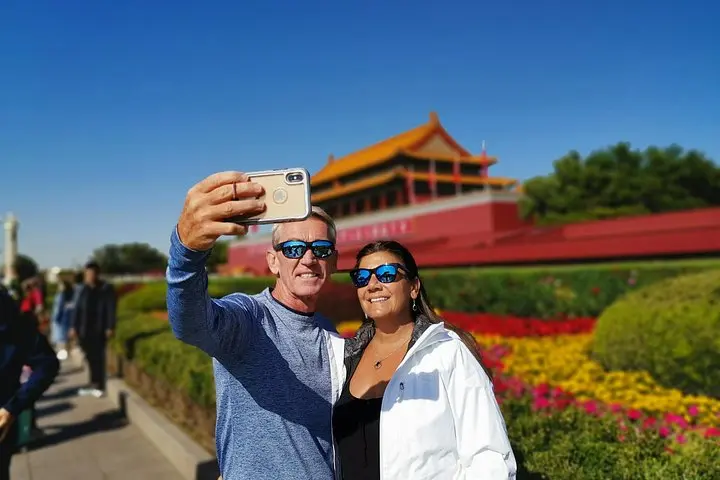
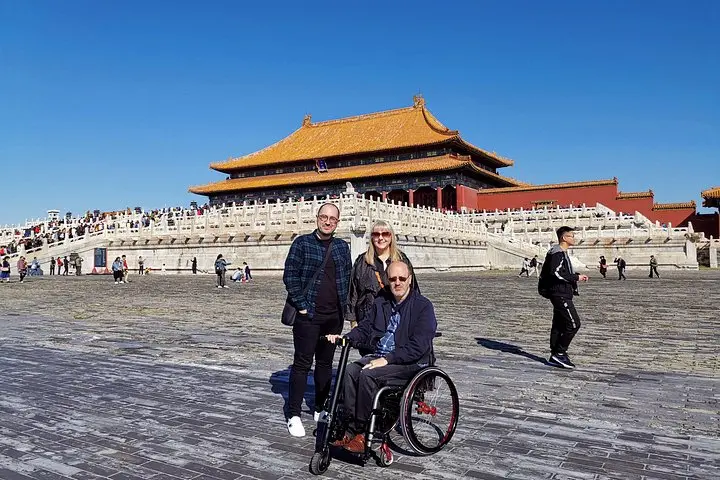
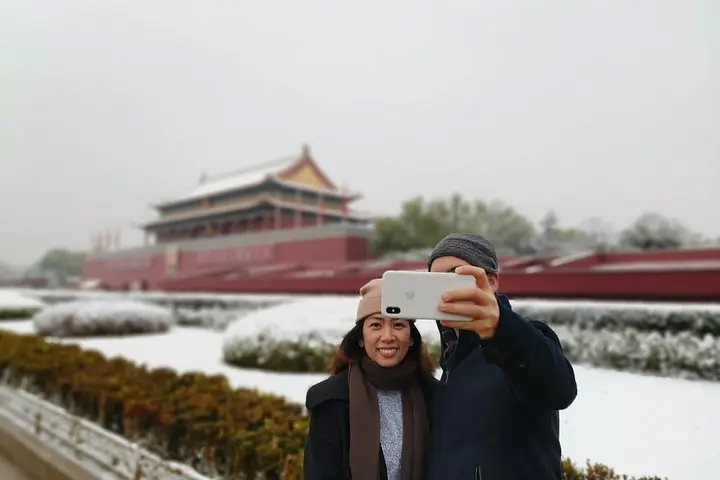
Morning light flattens across Tiananmen Square, and security gates click open as your guide leads the way through a public stage that has hosted proclamations, parades and quiet daily rhythm alike. The vast plaza gives way to the Forbidden City’s red walls; within them, courtyards and carved beams hold five centuries of imperial routine. By late morning the ambient hum shifts — narrow hutong alleys take over the soundtrack, vendors calling, teahouses sending steam into the air as you taste knock-out dumplings and zhajiang noodles.
Morning light flattens across Tiananmen Square, and security gates click open as your guide leads the way through a public stage that has hosted proclamations, parades and quiet daily rhythm alike. The vast plaza gives way to the Forbidden City’s red walls; within them, courtyards and carved beams hold five centuries of imperial routine. By late morning the ambient hum shifts — narrow hutong alleys take over the soundtrack, vendors calling, teahouses sending steam into the air as you taste knock-out dumplings and zhajiang noodles.
The route threads political history and urban life: Tiananmen was the site of the 1949 proclamation of the People’s Republic, while the Forbidden City, built between 1406–1420, represents Ming and Qing court planning and layered restorations from the 18th century onward. Geologically simple — the flat North China Plain — the city’s design instead reflects human engineering: filigreed gray tiles, compact courtyard houses, and lanes that channel wind and summer heat.
Expect a guided 4-hour walk with hotel pickup, passport check for the palace, and a stop at local food stalls where texture and sauce matter more than presentation. Practical notes: bring a valid passport to enter the Forbidden City, wear comfortable shoes for cobbled lanes and occasional steps, and carry small bills for street food. Start early to avoid peak crowds and midday heat; take advantage of your private guide to ask about family-run shops and where Beijingers still gather for late-afternoon tea. This half-day packs civic scale, imperial architecture and authentic hutong flavors into a compact, walkable experience.