THE ADVENTURE COLLECTIVE® · Independent discovery and booking for outdoor travel

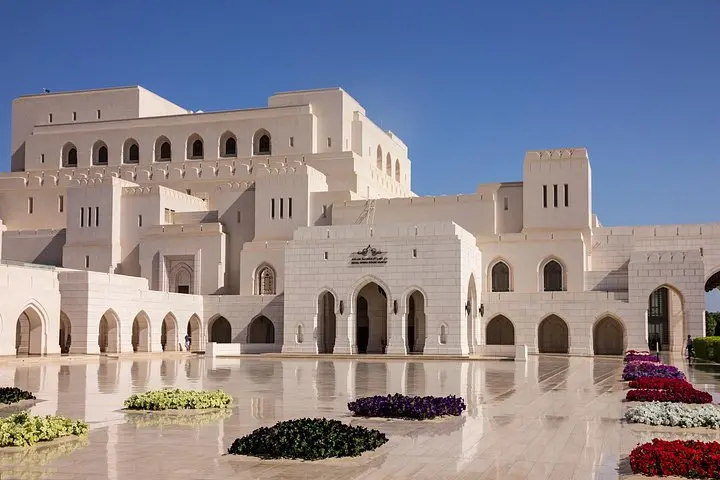
A private half-day tour through Muscat that pairs monumental architecture with souq-side life—visit the Sultan Qaboos Grand Mosque, Royal Opera House, Al Alam Palace and Mutrah Souq with a local guide. Ideal for travelers who want a compact, culturally rich introduction to Oman’s capital.
A private half-day tour through Muscat that pairs monumental architecture with souq-side life—visit the Sultan Qaboos Grand Mosque, Royal Opera House, Al Alam Palace and Mutrah Souq with a local guide. Ideal for travelers who want a compact, culturally rich introduction to Oman’s capital.
You step out of an air-conditioned sedan into the hush that hangs around the Sultan Qaboos Grand Mosque: marble cool beneath your shoes, the minaret drawing the eye skyward. That first half hour—slow, measured—sets the rhythm: close views of modern Islamic architecture, a brief drive past coastal escarpments, then the market noise of Mutrah’s alleys.
Verified experiences and guided adventures in the surrounding area.
Operated by taxiGo Limo Airport Service · Muscat, Muscat Governorate
You step out of an air-conditioned sedan into the hush that hangs around the Sultan Qaboos Grand Mosque: marble cool beneath your shoes, the minaret drawing the eye skyward. That first half hour—slow, measured—sets the rhythm: close views of modern Islamic architecture, a brief drive past coastal escarpments, then the market noise of Mutrah’s alleys.
Muscat’s story is plain in stone and sea. A historic port on the Arabian Sea, the city grew around fortified harbor arms and seasonal trade winds; the modern capital reflects Sultan Qaboos’s mid-20th-century push to open Oman to the world. Geologically, Muscat sits where rugged Al Hajar foothills meet a narrow coastal plain—granite outcrops give way to manicured boulevards and the shingle beaches that often host pods of dolphins.
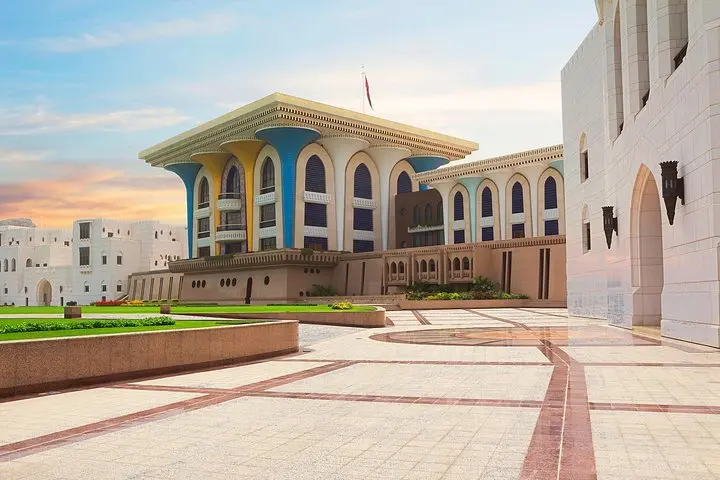
Culturally the day alternates quiet reverence and convivial bustle: mosque courtyards and libraries, the stately facade of Al Alam Palace, then the tactile chaos of Mutrah Souq. Local guides translate artifacts, point out naval batteries, and cue you where to photograph without offending.
Practical guidance: this private, 5-hour tour covers roughly 25–40 km of driving with short, flat walks at each stop. Dress conservatively for mosque visits (long sleeves, long pants, headscarf for women). Expect warm sun—carry a refillable water bottle and wear breathable shoes for cobbled souq lanes. Pickup and drop-off are included from Muscat city hotels; the pace can be tailored to mobility needs. Plan it in the morning for cooler light and quieter sites, and leave extra time if you want to linger in the souq or the small, insightful galleries at Beit al-Zubair.
Admission is generally free but guided-inside access follows mosque visiting hours and dress rules; the tour includes external and selected internal viewing depending on schedule.
Yes—pickup and drop-off from Muscat city hotels or city center meeting points are included in the private tour price.
The tour vehicle is modern and accessible but some sites have limited wheelchair access; notify at booking to tailor stops and timing.
Tipping is appreciated but discretionary; a small tip for a good private guide (10–15% of tour cost is a common guideline) is customary.
taxiGo Limo Airport Service operates guided outdoor trips and adventures with an emphasis on safety, stewardship, and memorable experiences.
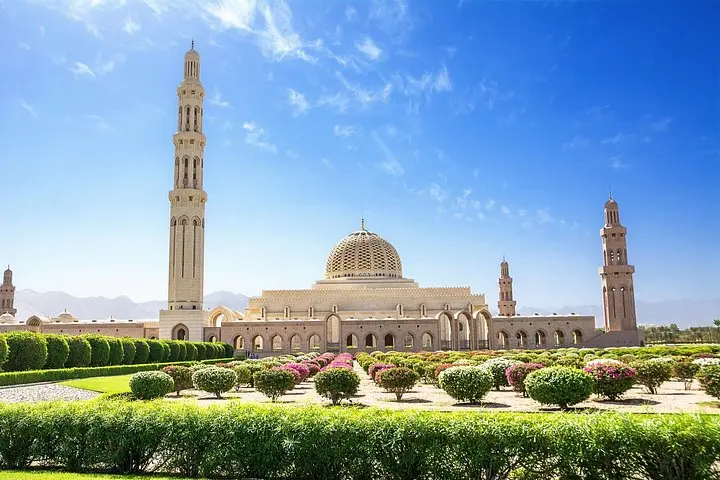
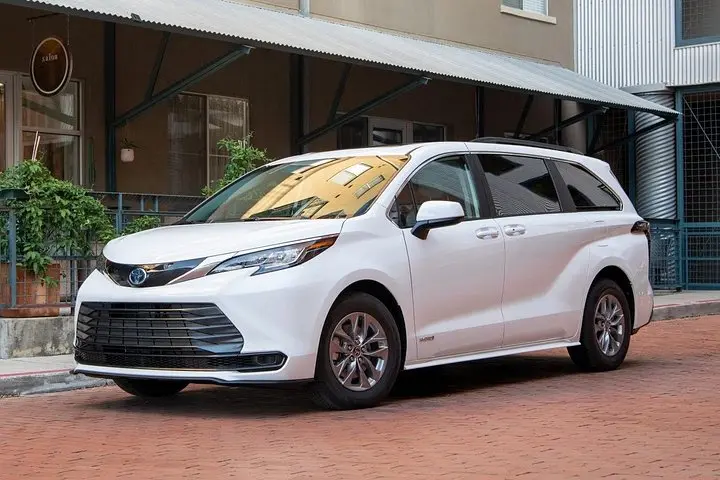
You step out of an air-conditioned sedan into the hush that hangs around the Sultan Qaboos Grand Mosque: marble cool beneath your shoes, the minaret drawing the eye skyward. That first half hour—slow, measured—sets the rhythm: close views of modern Islamic architecture, a brief drive past coastal escarpments, then the market noise of Mutrah’s alleys.
You step out of an air-conditioned sedan into the hush that hangs around the Sultan Qaboos Grand Mosque: marble cool beneath your shoes, the minaret drawing the eye skyward. That first half hour—slow, measured—sets the rhythm: close views of modern Islamic architecture, a brief drive past coastal escarpments, then the market noise of Mutrah’s alleys.
Muscat’s story is plain in stone and sea. A historic port on the Arabian Sea, the city grew around fortified harbor arms and seasonal trade winds; the modern capital reflects Sultan Qaboos’s mid-20th-century push to open Oman to the world. Geologically, Muscat sits where rugged Al Hajar foothills meet a narrow coastal plain—granite outcrops give way to manicured boulevards and the shingle beaches that often host pods of dolphins.
Culturally the day alternates quiet reverence and convivial bustle: mosque courtyards and libraries, the stately facade of Al Alam Palace, then the tactile chaos of Mutrah Souq. Local guides translate artifacts, point out naval batteries, and cue you where to photograph without offending.
Practical guidance: this private, 5-hour tour covers roughly 25–40 km of driving with short, flat walks at each stop. Dress conservatively for mosque visits (long sleeves, long pants, headscarf for women). Expect warm sun—carry a refillable water bottle and wear breathable shoes for cobbled souq lanes. Pickup and drop-off are included from Muscat city hotels; the pace can be tailored to mobility needs. Plan it in the morning for cooler light and quieter sites, and leave extra time if you want to linger in the souq or the small, insightful galleries at Beit al-Zubair.