THE ADVENTURE COLLECTIVE® · Independent discovery and booking for outdoor travel

Spend four hours exploring Vila Nova de Gaia’s historic Port cellars on a private, chauffeur-driven half-day tour from Porto. Expect expert-led tastings, cellar history, and practical tips for enjoying Port like a local.
Spend four hours exploring Vila Nova de Gaia’s historic Port cellars on a private, chauffeur-driven half-day tour from Porto. Expect expert-led tastings, cellar history, and practical tips for enjoying Port like a local.
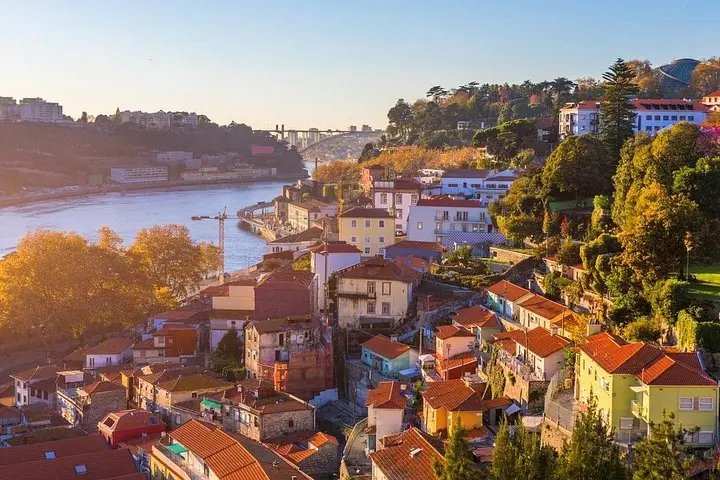
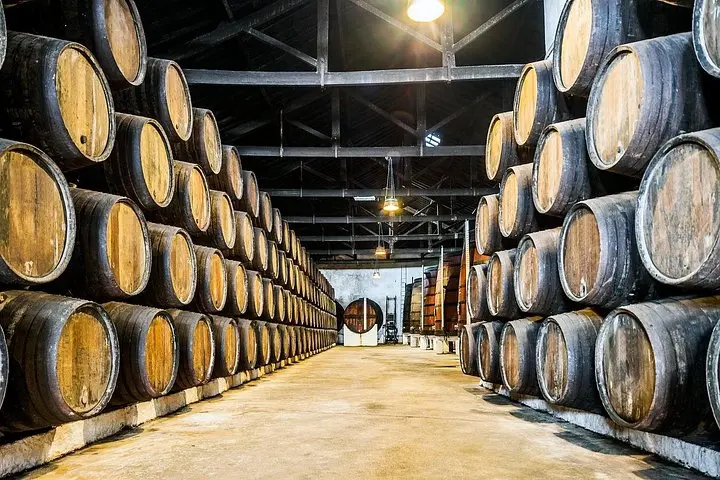
A low, grey morning over the Douro parts to let the city breathe; the private car eases away from Porto’s Ribeira and follows the river as it dares you to look back. In an hour the vehicle slips into Vila Nova de Gaia where rows of stone cellars lie cool and quiet, their oak barrels murmuring decades of summers and winters.
Verified experiences and guided adventures in the surrounding area.
Operated by taxiGo DMC · Porto, Porto
A low, grey morning over the Douro parts to let the city breathe; the private car eases away from Porto’s Ribeira and follows the river as it dares you to look back. In an hour the vehicle slips into Vila Nova de Gaia where rows of stone cellars lie cool and quiet, their oak barrels murmuring decades of summers and winters.
The walk through the lodges is as much about people as terroir. Port production here owes its identity to the 18th-century trade with Britain and to the Douro, the world’s first demarcated wine region (1756), whose schist slopes force vines to be stubborn and concentrated. Gaia’s cellars were built for aging; the geology—steep terraces and river-carved valleys—created the microclimates that made fortified wine commercially viable. Local culture still orbits the barrels: sons and daughters of port families, independent lodges, and small tascas where locals compare vintages over bread and cheese.
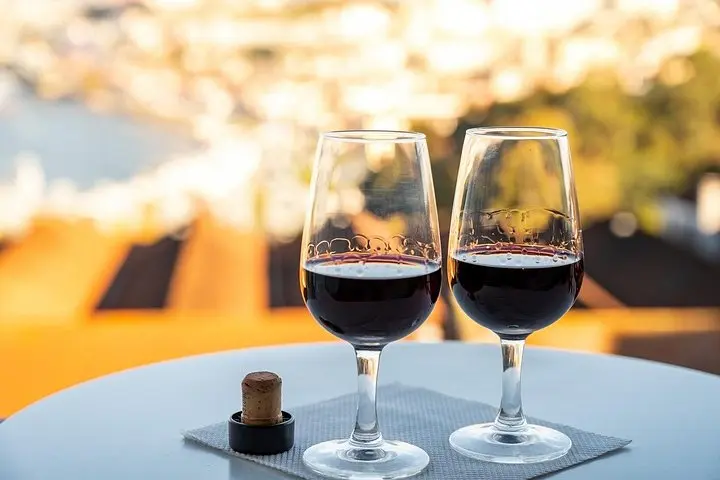
Practically, expect several guided tastings, a concise history lesson, and plenty of standing room in cool underground cellars. Tastings are measured; sip slowly, note acidity and sweetness, and ask about vineyard origin. Wear comfortable shoes—cobblestones and cellar steps are constant—and bring photo ID for any purchases. Opt for a mid-morning slot to avoid late-afternoon crowds and book ahead during harvest season when cellars open special programs.
This half-day tour is brisk but intimate: a cultured, low-impact immersion into Porto’s vinous heritage that balances sensory pleasure with grounded context and usable travel tips.
Yes—this private tour includes hotel or address pickup and drop-off within Porto as indicated at booking.
Guided tastings are included; expect several measured samples of Ports and sometimes a table wine depending on the cellar’s program.
The tour can accommodate families, but tastings are for adults; non-drinking guests can still tour the cellars and learn the history.
Most lodges sell bottles and will ship internationally or provide proper packaging; bring ID and check customs rules for your country.
taxiGo DMC operates guided outdoor trips and adventures with an emphasis on safety, stewardship, and memorable experiences.

A low, grey morning over the Douro parts to let the city breathe; the private car eases away from Porto’s Ribeira and follows the river as it dares you to look back. In an hour the vehicle slips into Vila Nova de Gaia where rows of stone cellars lie cool and quiet, their oak barrels murmuring decades of summers and winters.
A low, grey morning over the Douro parts to let the city breathe; the private car eases away from Porto’s Ribeira and follows the river as it dares you to look back. In an hour the vehicle slips into Vila Nova de Gaia where rows of stone cellars lie cool and quiet, their oak barrels murmuring decades of summers and winters.
The walk through the lodges is as much about people as terroir. Port production here owes its identity to the 18th-century trade with Britain and to the Douro, the world’s first demarcated wine region (1756), whose schist slopes force vines to be stubborn and concentrated. Gaia’s cellars were built for aging; the geology—steep terraces and river-carved valleys—created the microclimates that made fortified wine commercially viable. Local culture still orbits the barrels: sons and daughters of port families, independent lodges, and small tascas where locals compare vintages over bread and cheese.
Practically, expect several guided tastings, a concise history lesson, and plenty of standing room in cool underground cellars. Tastings are measured; sip slowly, note acidity and sweetness, and ask about vineyard origin. Wear comfortable shoes—cobblestones and cellar steps are constant—and bring photo ID for any purchases. Opt for a mid-morning slot to avoid late-afternoon crowds and book ahead during harvest season when cellars open special programs.
This half-day tour is brisk but intimate: a cultured, low-impact immersion into Porto’s vinous heritage that balances sensory pleasure with grounded context and usable travel tips.