THE ADVENTURE COLLECTIVE® · Independent discovery and booking for outdoor travel

Explore eastern Salalah in a focused half‑day: from the waterfalls and wildlife pools of Wadi Darbat to cloud‑topped vistas on Jebel Samhan, with coastal Taqah and ancient baobabs en route. Ideal for travelers who want rich landscape and local history in a compact itinerary.
Explore eastern Salalah in a focused half‑day: from the waterfalls and wildlife pools of Wadi Darbat to cloud‑topped vistas on Jebel Samhan, with coastal Taqah and ancient baobabs en route. Ideal for travelers who want rich landscape and local history in a compact itinerary.
You step out of an air‑conditioned vehicle into a dry wind that smells faintly of salt and ancient resin; palms rustle, and ahead the Darbat valley drops into a green ribbon where water still runs. The tour threads coastal cliffs, a patchwork of wadi pools and a high ridge that sometimes rises above the clouds — half a day that compresses Dhofar’s contrasts into a handful of vivid stops.
Verified experiences and guided adventures in the surrounding area.
Operated by Go Salalah Tour · Salalah, Dhofar
You step out of an air‑conditioned vehicle into a dry wind that smells faintly of salt and ancient resin; palms rustle, and ahead the Darbat valley drops into a green ribbon where water still runs. The tour threads coastal cliffs, a patchwork of wadi pools and a high ridge that sometimes rises above the clouds — half a day that compresses Dhofar’s contrasts into a handful of vivid stops.
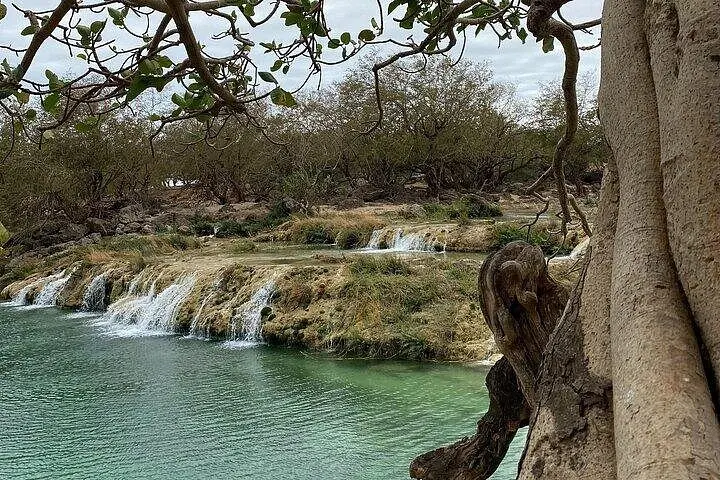
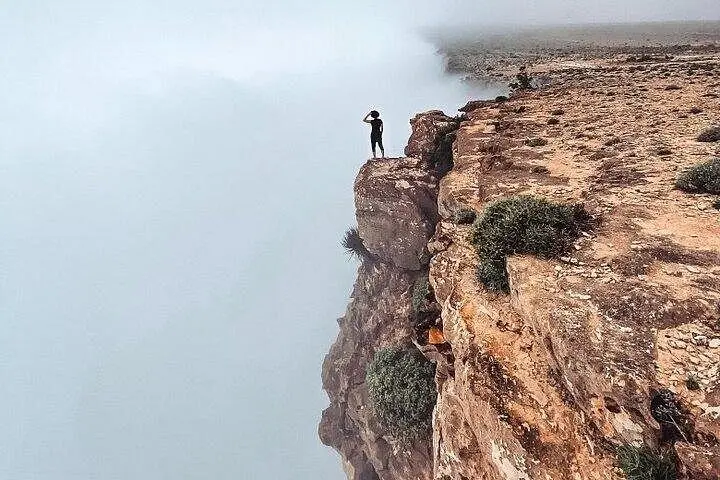
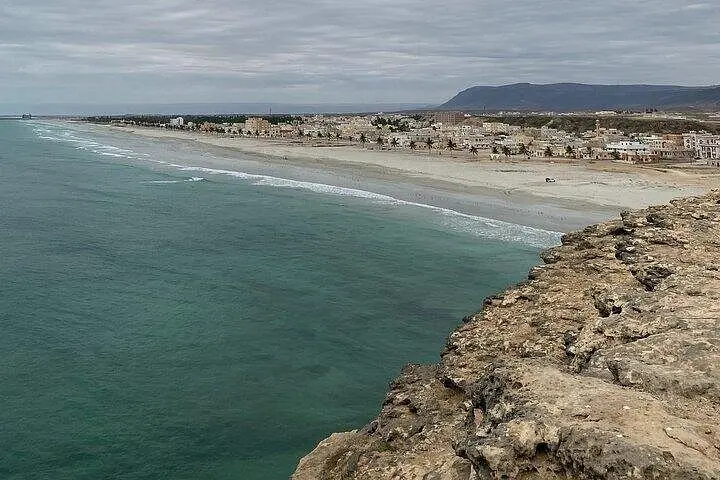
Wadi Darbat sits in the Quara Mountains, a karst valley where limestone has been sculpted into waterfalls and pools that concentrate wildlife and local life. Taqah is a quiet coastal town with white‑sanded beaches and a compact historic center centered on a modest fort and old fishing coves. Jebel Samhan is Dhofar’s high backbone: a sandstone and limestone massif whose elevation yields broad panoramas, cloud inversion and cool breezes. Along the route you’ll pass baobab trees — African imports that have persisted here for centuries — and the roadside oddity known as the Anti‑Gravity Point.
The pace is conversational, guided by a local who can explain frankincense history, the monsoon‑influenced ecology and why these coastal cliffs once mattered to traders. Practicalities: expect a mix of short walks and viewpoint stops, bottled water and a traditional Omani lunch included on many itineraries. Bring sun protection, steady shoes for uneven surfaces and a camera with a spare battery — light changes fast from valley shade to open coast.
Plan morning or late‑afternoon departures to avoid the hottest hours in summer and to catch softer light in the mountains. The route is family‑friendly and largely accessible by vehicle, but some viewpoints require brief, unpaved approaches. Respect the waterholes and baobabs: fragile features that make Dhofar different.
This is a roughly four‑hour private tour; most operators include bottled water, a traditional Omani lunch or light refreshments, and door‑to‑door transfers in an air‑conditioned vehicle.
Yes — the route is largely vehicle‑based with short, optional walks; the operator lists wheelchair‑accessible transport, but some viewpoints may have uneven approaches.
October through April offer milder temperatures and clearer skies; early mornings increase chances of seeing cloud inversion at Jebel Samhan and cooler conditions at Wadi Darbat.
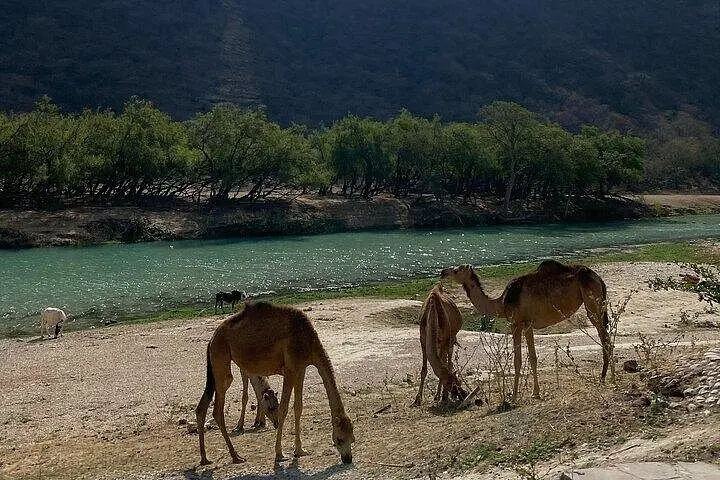
Yes — Wadi Darbat concentrates birds and domestic animals like camels; bring a zoom lens for birds and distant panoramas and be mindful of privacy when photographing locals.
Go Salalah Tour operates guided outdoor trips and adventures with an emphasis on safety, stewardship, and memorable experiences.
You step out of an air‑conditioned vehicle into a dry wind that smells faintly of salt and ancient resin; palms rustle, and ahead the Darbat valley drops into a green ribbon where water still runs. The tour threads coastal cliffs, a patchwork of wadi pools and a high ridge that sometimes rises above the clouds — half a day that compresses Dhofar’s contrasts into a handful of vivid stops.
You step out of an air‑conditioned vehicle into a dry wind that smells faintly of salt and ancient resin; palms rustle, and ahead the Darbat valley drops into a green ribbon where water still runs. The tour threads coastal cliffs, a patchwork of wadi pools and a high ridge that sometimes rises above the clouds — half a day that compresses Dhofar’s contrasts into a handful of vivid stops.
Wadi Darbat sits in the Quara Mountains, a karst valley where limestone has been sculpted into waterfalls and pools that concentrate wildlife and local life. Taqah is a quiet coastal town with white‑sanded beaches and a compact historic center centered on a modest fort and old fishing coves. Jebel Samhan is Dhofar’s high backbone: a sandstone and limestone massif whose elevation yields broad panoramas, cloud inversion and cool breezes. Along the route you’ll pass baobab trees — African imports that have persisted here for centuries — and the roadside oddity known as the Anti‑Gravity Point.
The pace is conversational, guided by a local who can explain frankincense history, the monsoon‑influenced ecology and why these coastal cliffs once mattered to traders. Practicalities: expect a mix of short walks and viewpoint stops, bottled water and a traditional Omani lunch included on many itineraries. Bring sun protection, steady shoes for uneven surfaces and a camera with a spare battery — light changes fast from valley shade to open coast.
Plan morning or late‑afternoon departures to avoid the hottest hours in summer and to catch softer light in the mountains. The route is family‑friendly and largely accessible by vehicle, but some viewpoints require brief, unpaved approaches. Respect the waterholes and baobabs: fragile features that make Dhofar different.