THE ADVENTURE COLLECTIVE® · Independent discovery and booking for outdoor travel

See Salalah’s key sights in a single half-day: the Sultan Qaboos Mosque, historic Taqah, lush Wadi Darbat, Khor Rori shoreline and Mirbat’s sunset dunes. Ideal for travelers who want a compact, accessible sampler of Dhofar’s culture and coastal landscapes.
See Salalah’s key sights in a single half-day: the Sultan Qaboos Mosque, historic Taqah, lush Wadi Darbat, Khor Rori shoreline and Mirbat’s sunset dunes. Ideal for travelers who want a compact, accessible sampler of Dhofar’s culture and coastal landscapes.
Morning light slides across Salalah’s palm-lined avenues as the tour vehicle hums toward the Sultan Qaboos Mosque, its white minarets catching the low sun. The city breathes slow here—coconuts tapping, markets opening—and within a few hours the landscape can flip from tidy urban gardens to wind-sculpted dunes and a cool mountain wadi.
Verified experiences and guided adventures in the surrounding area.
Operated by Visit Dhofar Seasons · Salalah, Dhofar Governorate
Morning light slides across Salalah’s palm-lined avenues as the tour vehicle hums toward the Sultan Qaboos Mosque, its white minarets catching the low sun. The city breathes slow here—coconuts tapping, markets opening—and within a few hours the landscape can flip from tidy urban gardens to wind-sculpted dunes and a cool mountain wadi.
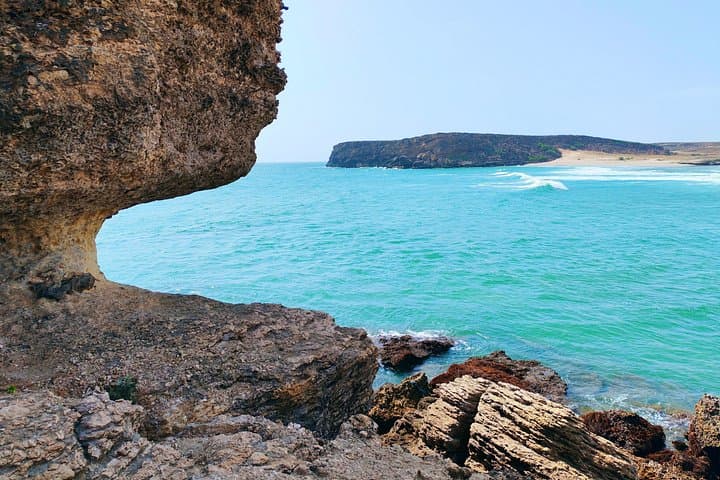
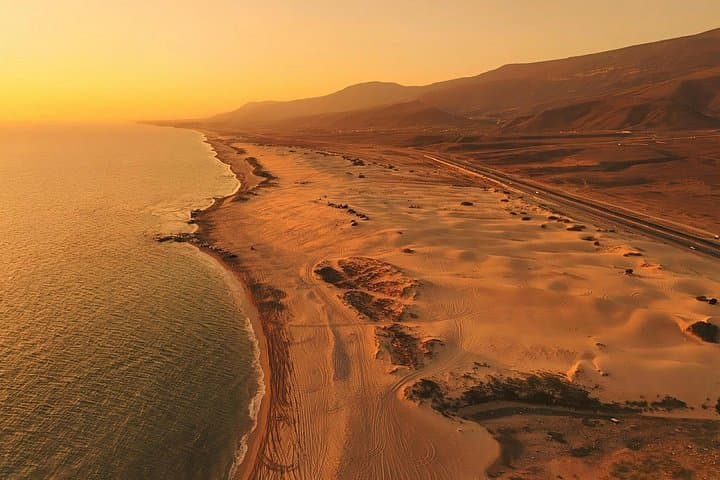
Dhofar’s coastline is shaped by ancient marine terraces and limestone cliffs; the region’s history is written in frankincense routes and the ruins of Sumhuram near Khor Rori. Taqah’s watchtowers and Burj al-Askar recall a past of coastal defense and fishing communities. Geology meets culture where wadi springs feed emerald pools and camels graze on scrubby slopes. Nature in this part of Oman acts with intent—the sea pushes light across dunes at sunset, and the wadi keeps its cool.
Practically, the tour is designed for minimal walking and broad viewing: expect short stops at photo points, a possible 20-minute boat option on Wadi Darbat, and a gentle stroll on Mirbat’s dunes at dusk. Dress conservatively for mosque visits (long sleeves, women cover hair), carry sun protection and at least 1–1.5 liters of water, and plan the afternoon option if you want the sand-dune sunset. Keep distance from cliff edges and follow the guide at all times.
This half-day loop is low-effort but high-reward—great for travelers who want concentrated culture, coastal geology, and a quick taste of Dhofar’s varied scenery without a long hike.
Yes, non-Muslims may visit during specified morning hours; modest dress is required and photography rules should be followed.
A short boat ride is often offered as an optional activity; the booking includes a complimentary Darbat boat ticket but confirm availability on the day.
The operator lists wheelchair accessibility for vehicle and many sites, but some viewpoints and dunes have uneven surfaces—check specific needs when booking.
Late afternoon into sunset provides the warmest light and contrasts between dunes and sea—choose the afternoon option to catch this.
Visit Dhofar Seasons operates guided outdoor trips and adventures with an emphasis on safety, stewardship, and memorable experiences.


Morning light slides across Salalah’s palm-lined avenues as the tour vehicle hums toward the Sultan Qaboos Mosque, its white minarets catching the low sun. The city breathes slow here—coconuts tapping, markets opening—and within a few hours the landscape can flip from tidy urban gardens to wind-sculpted dunes and a cool mountain wadi.
Morning light slides across Salalah’s palm-lined avenues as the tour vehicle hums toward the Sultan Qaboos Mosque, its white minarets catching the low sun. The city breathes slow here—coconuts tapping, markets opening—and within a few hours the landscape can flip from tidy urban gardens to wind-sculpted dunes and a cool mountain wadi.
Dhofar’s coastline is shaped by ancient marine terraces and limestone cliffs; the region’s history is written in frankincense routes and the ruins of Sumhuram near Khor Rori. Taqah’s watchtowers and Burj al-Askar recall a past of coastal defense and fishing communities. Geology meets culture where wadi springs feed emerald pools and camels graze on scrubby slopes. Nature in this part of Oman acts with intent—the sea pushes light across dunes at sunset, and the wadi keeps its cool.
Practically, the tour is designed for minimal walking and broad viewing: expect short stops at photo points, a possible 20-minute boat option on Wadi Darbat, and a gentle stroll on Mirbat’s dunes at dusk. Dress conservatively for mosque visits (long sleeves, women cover hair), carry sun protection and at least 1–1.5 liters of water, and plan the afternoon option if you want the sand-dune sunset. Keep distance from cliff edges and follow the guide at all times.
This half-day loop is low-effort but high-reward—great for travelers who want concentrated culture, coastal geology, and a quick taste of Dhofar’s varied scenery without a long hike.