THE ADVENTURE COLLECTIVE® · Independent discovery and booking for outdoor travel

Move from modern malls to the traditional Muttrah Souq on a private half-day shopping tour of Muscat. Discover local crafts, Omani spices and practical tips for bargaining and payment.
Move from modern malls to the traditional Muttrah Souq on a private half-day shopping tour of Muscat. Discover local crafts, Omani spices and practical tips for bargaining and payment.
You step from the car into a warm Gulf breeze that moves through Muscat’s wide avenues, the city’s modern glass facades reflecting a sky the color of polished brass. The tour moves at a steady, civilized pace: air-conditioned mall corridors, bright brand storefronts, then the packed alleys of Muttrah Souq where spices and frankincense spill scent into the air and vendors call you over with practiced ease.
Verified experiences and guided adventures in the surrounding area.
Operated by Oman Tour · Muscat, Muscat Governorate
You step from the car into a warm Gulf breeze that moves through Muscat’s wide avenues, the city’s modern glass facades reflecting a sky the color of polished brass. The tour moves at a steady, civilized pace: air-conditioned mall corridors, bright brand storefronts, then the packed alleys of Muttrah Souq where spices and frankincense spill scent into the air and vendors call you over with practiced ease.
Muscat has long been a trading crossroads between Arabia, India and East Africa — the souq remains a living fragment of that history while the new malls represent Oman’s rapid modern expansion. Geologically the city sits between coastal flats and the rugged Hajar foothills; the contrast shows in the architecture, from seaside cornices to mountain-facing neighborhoods.
Culturally, shopping here is both transactional and social: expect bargaining in the souq, fixed prices in malls, and plenty of tea offered with purchases. Local insights include looking for Omani silver khanjars, frankincense, and local textiles that differ in weave and dye from neighboring countries.
Practical guidance: allow 4–8 hours depending on your interests, bring mixed payment methods (cards accepted widely, small OMR notes or coins useful for souq stalls), and plan pickups between mall stops. Wear comfortable shoes for cobbled souq streets and light layers for transitioning between air-conditioned interiors and the outdoor sun. Hydrate — the city can feel hot by midday — and keep valuables secure in a zipped bag while browsing crowded alleys.
The private tour runs between 4 and 8 hours depending on stops and time spent at each market or mall.
Yes, bargaining is common at souq stalls; approach it as part of the experience and start below the asking price.
Major malls in Muscat provide wheelchair access and accessible transport; the souq has uneven surfaces and narrow passages that can be difficult for some mobility devices.
Private guides typically speak English and Arabic; confirm language needs when booking to ensure a comfortable experience.
Oman Tour operates guided outdoor trips and adventures with an emphasis on safety, stewardship, and memorable experiences.
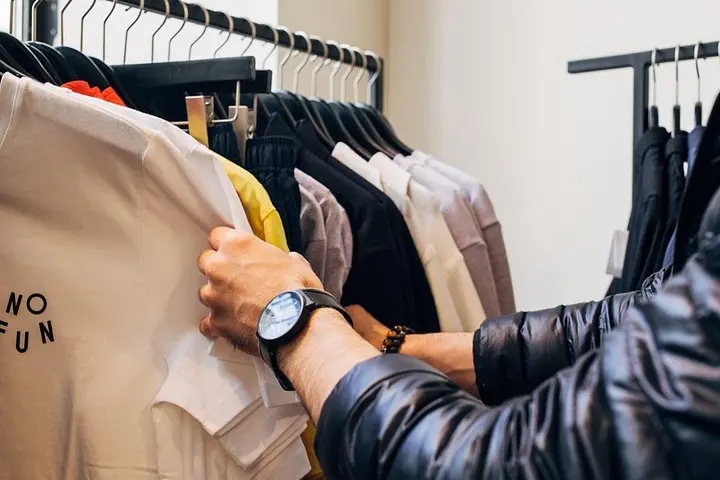
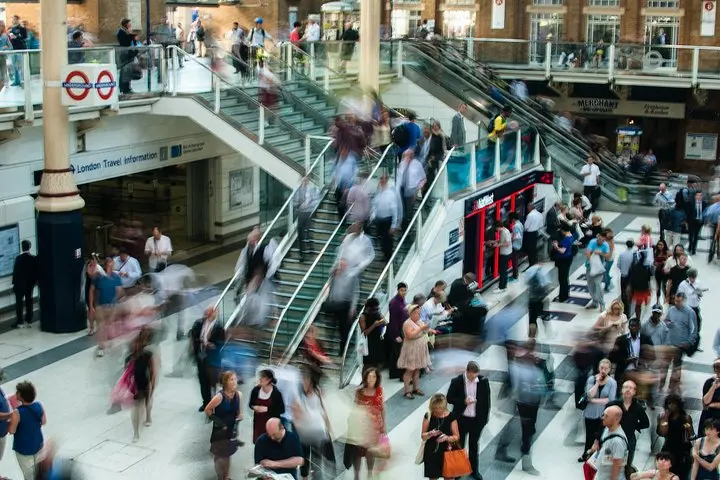
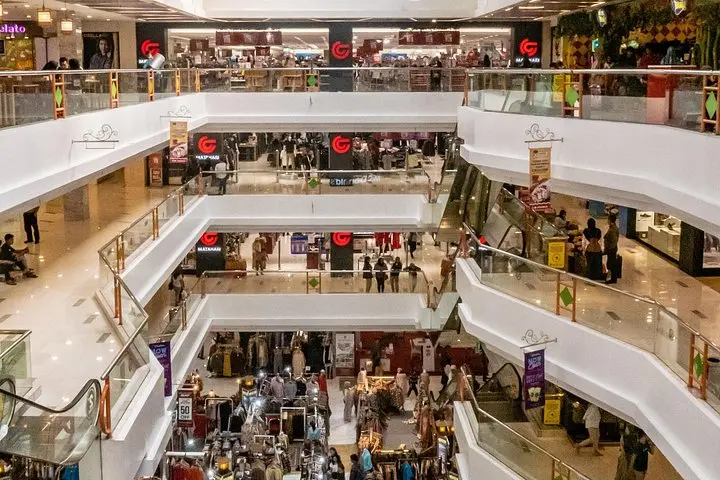

You step from the car into a warm Gulf breeze that moves through Muscat’s wide avenues, the city’s modern glass facades reflecting a sky the color of polished brass. The tour moves at a steady, civilized pace: air-conditioned mall corridors, bright brand storefronts, then the packed alleys of Muttrah Souq where spices and frankincense spill scent into the air and vendors call you over with practiced ease.
You step from the car into a warm Gulf breeze that moves through Muscat’s wide avenues, the city’s modern glass facades reflecting a sky the color of polished brass. The tour moves at a steady, civilized pace: air-conditioned mall corridors, bright brand storefronts, then the packed alleys of Muttrah Souq where spices and frankincense spill scent into the air and vendors call you over with practiced ease.
Muscat has long been a trading crossroads between Arabia, India and East Africa — the souq remains a living fragment of that history while the new malls represent Oman’s rapid modern expansion. Geologically the city sits between coastal flats and the rugged Hajar foothills; the contrast shows in the architecture, from seaside cornices to mountain-facing neighborhoods.
Culturally, shopping here is both transactional and social: expect bargaining in the souq, fixed prices in malls, and plenty of tea offered with purchases. Local insights include looking for Omani silver khanjars, frankincense, and local textiles that differ in weave and dye from neighboring countries.
Practical guidance: allow 4–8 hours depending on your interests, bring mixed payment methods (cards accepted widely, small OMR notes or coins useful for souq stalls), and plan pickups between mall stops. Wear comfortable shoes for cobbled souq streets and light layers for transitioning between air-conditioned interiors and the outdoor sun. Hydrate — the city can feel hot by midday — and keep valuables secure in a zipped bag while browsing crowded alleys.