THE ADVENTURE COLLECTIVE® · Independent discovery and booking for outdoor travel

Spend a focused half-day exploring four UNESCO World Heritage sites in Kathmandu by private car. This practical route covers Boudhanath, Swayambhunath, Pashupatinath and Durbar Square with an experienced driver-guide.
Spend a focused half-day exploring four UNESCO World Heritage sites in Kathmandu by private car. This practical route covers Boudhanath, Swayambhunath, Pashupatinath and Durbar Square with an experienced driver-guide.
You step out of a quiet sedan and into a lane where stone courtyards pulse with ritual: prayer wheels whisper at Boudhanath, saffron-clad monks circle the great stupa, and beyond, monkeys leap across the terrace of a hilltop shrine. The city smells of incense, frying oil and the river mud of the Bagmati daring you to look closer.
Verified experiences and guided adventures in the surrounding area.
Operated by Saara Tourism Nepal-Kathmandu · Kathmandu, Bagmati Province
You step out of a quiet sedan and into a lane where stone courtyards pulse with ritual: prayer wheels whisper at Boudhanath, saffron-clad monks circle the great stupa, and beyond, monkeys leap across the terrace of a hilltop shrine. The city smells of incense, frying oil and the river mud of the Bagmati daring you to look closer.
This five-hour, door-to-door route links four UNESCO-listed sites: Boudhanath Stupa, Swayambhunath (Monkey Temple), Pashupatinath Temple and Kathmandu Durbar Square. The valley itself sits in an ancient lakebed; compacted lacustrine sediments and uplift from the Himalaya cradle temples on solid yet quake-susceptible ground—many monuments were repaired after the 2015 earthquake.
Culturally, the tour threads Newar artisan neighborhoods, Tibetan Buddhist practice and Hindu rites in one compact urban circuit: expect brass-smith shops, carved wooden windows, and open-air cremation ghats on the Bagmati. Local guides—here, an experienced driver-guide—translate not just history but etiquette: where to remove shoes, when to keep cameras holstered, and how offerings work.
Practical guidance: start early to avoid traffic and the mid-day heat; wear modest, comfortable clothing for temple access and shoes easy to remove. Swayambhunath involves roughly 365 steps; bring water and some cash for small donations and shop purchases. Allow brief walks at each stop—this is a low-impact, high-content half-day that packs culture, short climbs and vivid street-level scenes into an efficient window of Kathmandu life.
The private tour runs about 4–5 hours and visits Boudhanath Stupa, Swayambhunath (Monkey Temple), Pashupatinath Temple and Kathmandu Durbar Square.
Yes—transport is by private car and walking is limited; Swayambhunath has stairs but can be skipped or a shorter route taken if mobility is limited.
Admission to major sites is typically included on organized tours, but small donations, special shrine fees and personal purchases are not—carry cash for those.
Mornings (7:30–10:30) are best for cooler temperatures, quieter temples and clearer views from hilltop Swayambhunath.
Saara Tourism Nepal-Kathmandu operates guided outdoor trips and adventures with an emphasis on safety, stewardship, and memorable experiences.
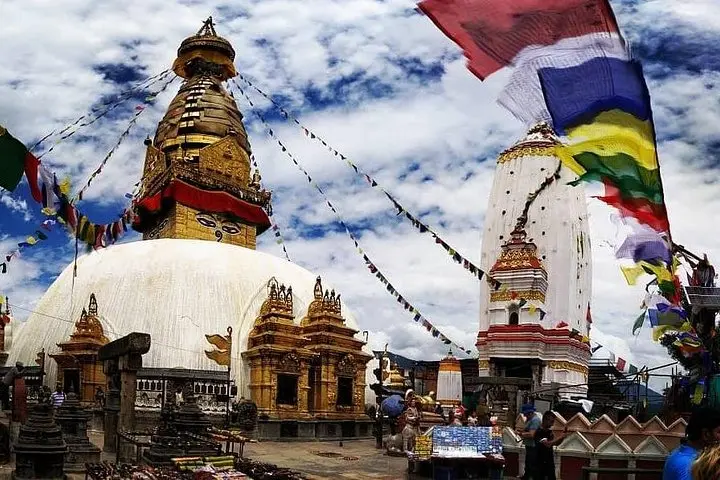
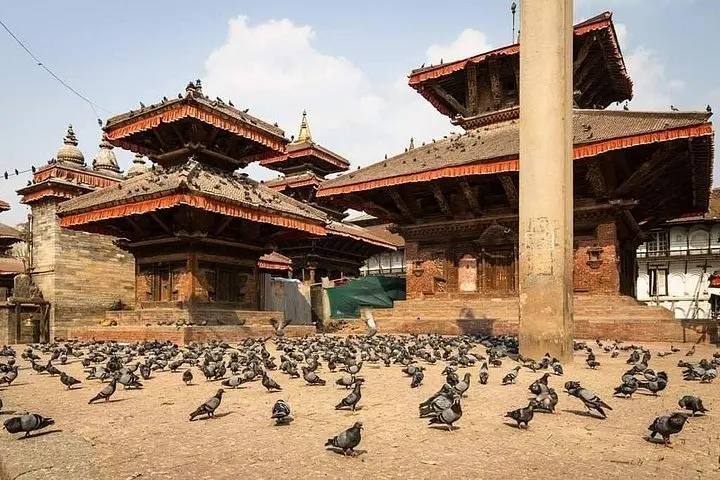
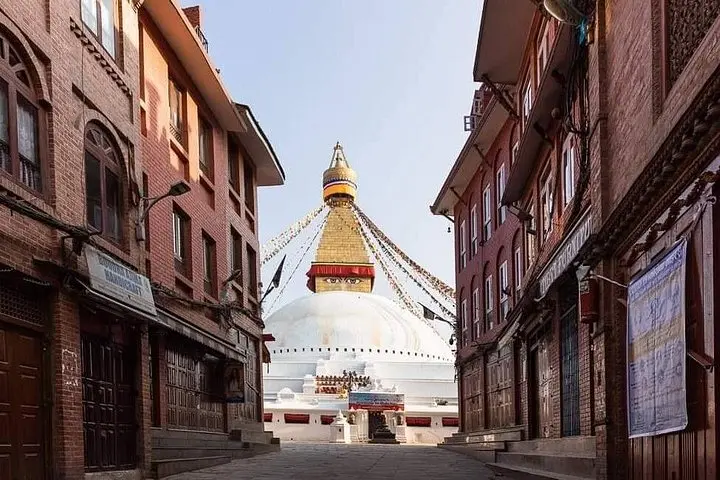
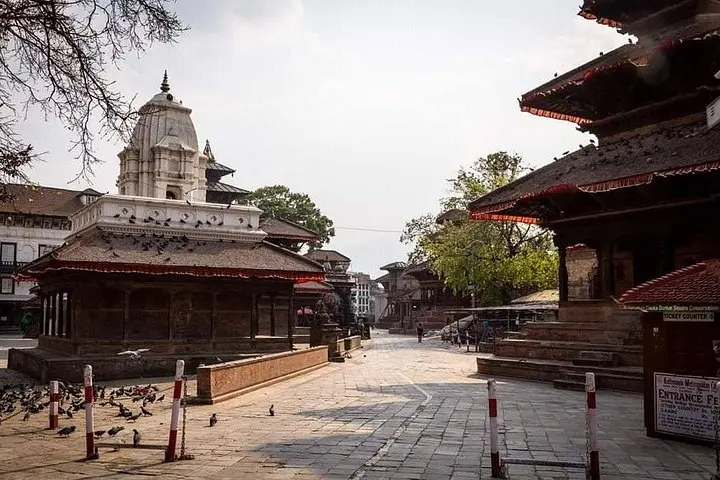
You step out of a quiet sedan and into a lane where stone courtyards pulse with ritual: prayer wheels whisper at Boudhanath, saffron-clad monks circle the great stupa, and beyond, monkeys leap across the terrace of a hilltop shrine. The city smells of incense, frying oil and the river mud of the Bagmati daring you to look closer.
You step out of a quiet sedan and into a lane where stone courtyards pulse with ritual: prayer wheels whisper at Boudhanath, saffron-clad monks circle the great stupa, and beyond, monkeys leap across the terrace of a hilltop shrine. The city smells of incense, frying oil and the river mud of the Bagmati daring you to look closer.
This five-hour, door-to-door route links four UNESCO-listed sites: Boudhanath Stupa, Swayambhunath (Monkey Temple), Pashupatinath Temple and Kathmandu Durbar Square. The valley itself sits in an ancient lakebed; compacted lacustrine sediments and uplift from the Himalaya cradle temples on solid yet quake-susceptible ground—many monuments were repaired after the 2015 earthquake.
Culturally, the tour threads Newar artisan neighborhoods, Tibetan Buddhist practice and Hindu rites in one compact urban circuit: expect brass-smith shops, carved wooden windows, and open-air cremation ghats on the Bagmati. Local guides—here, an experienced driver-guide—translate not just history but etiquette: where to remove shoes, when to keep cameras holstered, and how offerings work.
Practical guidance: start early to avoid traffic and the mid-day heat; wear modest, comfortable clothing for temple access and shoes easy to remove. Swayambhunath involves roughly 365 steps; bring water and some cash for small donations and shop purchases. Allow brief walks at each stop—this is a low-impact, high-content half-day that packs culture, short climbs and vivid street-level scenes into an efficient window of Kathmandu life.