THE ADVENTURE COLLECTIVE® · Independent discovery and booking for outdoor travel

Spend a focused half-day with an Egyptologist on the Giza Plateau to see the Great Pyramid, Sphinx and funerary temples. Skip-the-line access, photo stops and options for camel rides or entering a pyramid make this a flexible cultural adventure.
Spend a focused half-day with an Egyptologist on the Giza Plateau to see the Great Pyramid, Sphinx and funerary temples. Skip-the-line access, photo stops and options for camel rides or entering a pyramid make this a flexible cultural adventure.
You arrive on the Giza Plateau just as the morning sun begins to bake the limestone faces into a hard, pale gold. Wind carries fine sand across the open sweep; workers guide camels and vendors call softly from shaded corners. From the upper terrace the three major pyramids rise like engineered mountains, while the Sphinx watches the plain with a carved, worn stare.
Verified experiences and guided adventures in the surrounding area.
Operated by Egypt Tours Planner · Giza, Giza Governorate
You arrive on the Giza Plateau just as the morning sun begins to bake the limestone faces into a hard, pale gold. Wind carries fine sand across the open sweep; workers guide camels and vendors call softly from shaded corners. From the upper terrace the three major pyramids rise like engineered mountains, while the Sphinx watches the plain with a carved, worn stare.
This compact half-day tour places you at the heart of ancient engineering: the Great Pyramid of Khufu (c. 2560 BCE), the middle pyramid of Khafre and the smaller Menkaure, with the adjacent funerary temples and the Great Sphinx. Geologically, the plateau is Eocene limestone carved by millennia of wind and urban expansion; culturally the site has been a pilgrimage, quarry and symbol of national identity for centuries. The tour typically includes entry to the plateau, a close view of the pyramids, the mummification temple ruins and time at the Sphinx; inside-pyramid access and camel rides are available for an extra fee.
Practical guidance: plan for 3–5 hours, bring sun protection and at least 1–2 liters of water, and wear sturdy shoes for uneven, sandy surfaces. Security checkpoints are routine—have your ID and tickets ready. Photography is encouraged, but avoid climbing on monuments and respect the local guides and workers. Schedule mornings or late afternoons to avoid peak heat and crowds and you'll get the most comfortable light for photos and the clearest views of this iconic landscape.
Standard tour admission typically covers access to the Giza Plateau and the Sphinx; going inside a pyramid is often an additional paid option and may be limited by tickets and health rules.
Camel rides are usually available on-site for an extra fee and are optional; negotiate prices beforehand and confirm if the tour operator can arrange a safer, vetted ride.
The Giza Plateau has extensive uneven terrain and loose sand; the product notes it is not wheelchair accessible and involves walking on unpaved surfaces.
Bring your passport or ID, the booking confirmation (mobile or printed), and be prepared for bag checks; arrive early to allow time for screening.
Egypt Tours Planner operates guided outdoor trips and adventures with an emphasis on safety, stewardship, and memorable experiences.
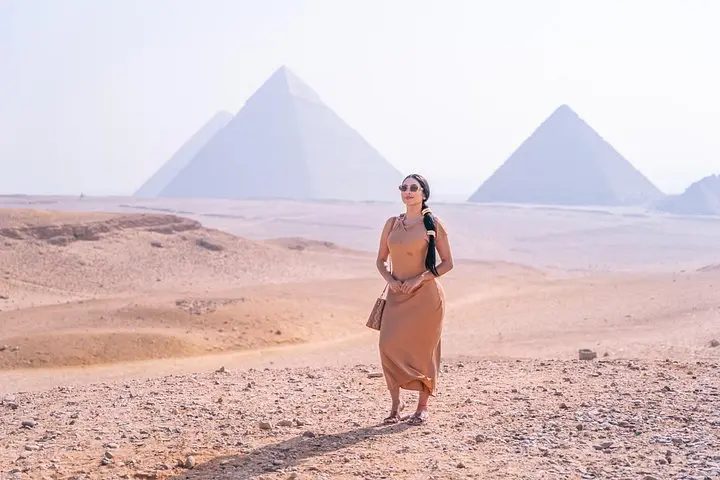
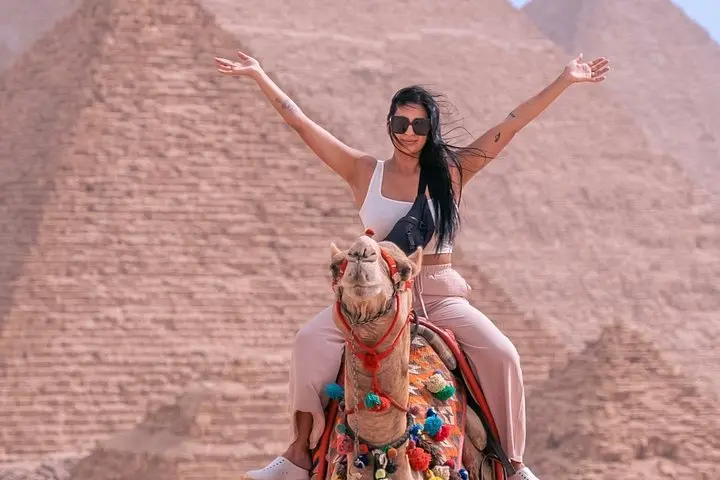
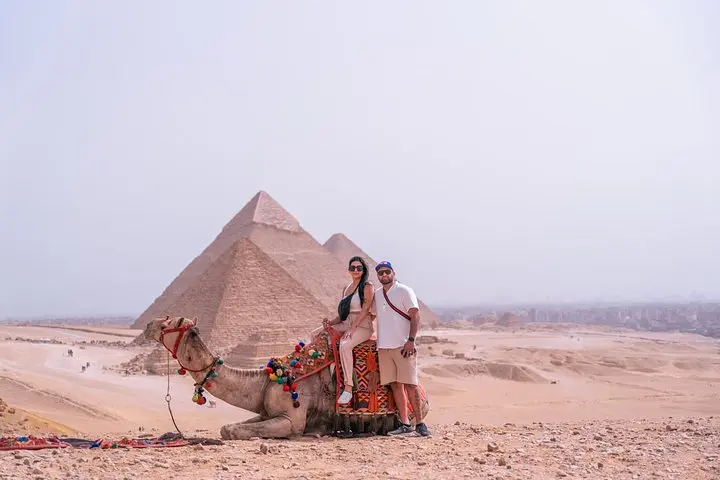
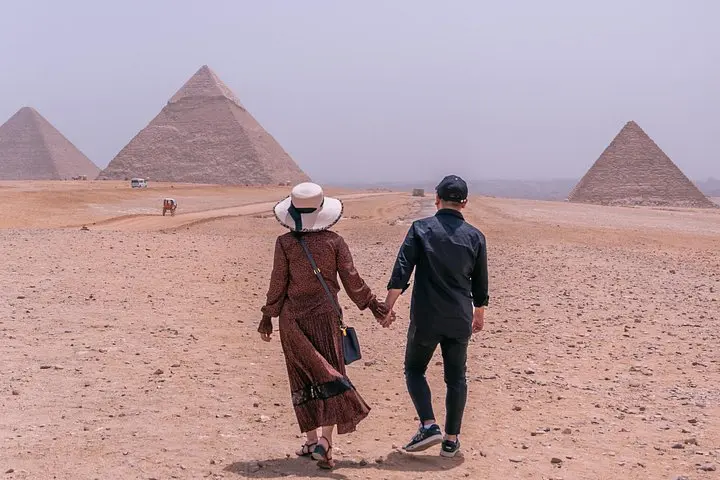
You arrive on the Giza Plateau just as the morning sun begins to bake the limestone faces into a hard, pale gold. Wind carries fine sand across the open sweep; workers guide camels and vendors call softly from shaded corners. From the upper terrace the three major pyramids rise like engineered mountains, while the Sphinx watches the plain with a carved, worn stare.
You arrive on the Giza Plateau just as the morning sun begins to bake the limestone faces into a hard, pale gold. Wind carries fine sand across the open sweep; workers guide camels and vendors call softly from shaded corners. From the upper terrace the three major pyramids rise like engineered mountains, while the Sphinx watches the plain with a carved, worn stare.
This compact half-day tour places you at the heart of ancient engineering: the Great Pyramid of Khufu (c. 2560 BCE), the middle pyramid of Khafre and the smaller Menkaure, with the adjacent funerary temples and the Great Sphinx. Geologically, the plateau is Eocene limestone carved by millennia of wind and urban expansion; culturally the site has been a pilgrimage, quarry and symbol of national identity for centuries. The tour typically includes entry to the plateau, a close view of the pyramids, the mummification temple ruins and time at the Sphinx; inside-pyramid access and camel rides are available for an extra fee.
Practical guidance: plan for 3–5 hours, bring sun protection and at least 1–2 liters of water, and wear sturdy shoes for uneven, sandy surfaces. Security checkpoints are routine—have your ID and tickets ready. Photography is encouraged, but avoid climbing on monuments and respect the local guides and workers. Schedule mornings or late afternoons to avoid peak heat and crowds and you'll get the most comfortable light for photos and the clearest views of this iconic landscape.