THE ADVENTURE COLLECTIVE® · Independent discovery and booking for outdoor travel

A private half-day tour across the Giza Plateau brings you face-to-face with Khufu’s Great Pyramid, the Sphinx and sweeping desert panoramas. Expect guided context, short walks across limestone terrain, and the best light for photos in morning or late afternoon.
A private half-day tour across the Giza Plateau brings you face-to-face with Khufu’s Great Pyramid, the Sphinx and sweeping desert panoramas. Expect guided context, short walks across limestone terrain, and the best light for photos in morning or late afternoon.
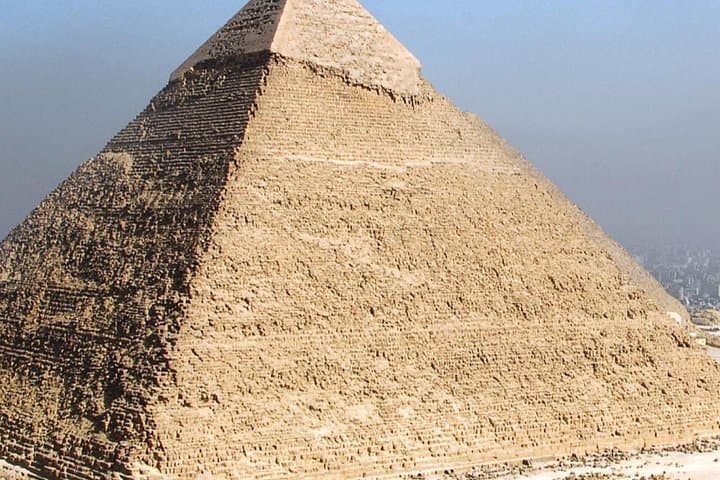
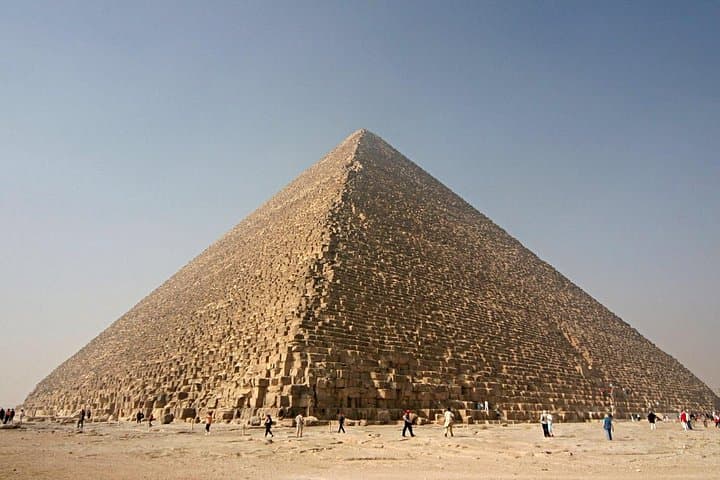
You step from the air-conditioned car into a flat, bleached world where wind-carved grit and limestone blocks mark the limits of human ambition. The plateau opens: three stepped silhouettes rise from the edge of the Nile valley, their faces catching the sun while the Sphinx watches the approach like a patient guardian.
Verified experiences and guided adventures in the surrounding area.
Operated by Book My Egypt Tours · Giza, Giza Governorate
You step from the air-conditioned car into a flat, bleached world where wind-carved grit and limestone blocks mark the limits of human ambition. The plateau opens: three stepped silhouettes rise from the edge of the Nile valley, their faces catching the sun while the Sphinx watches the approach like a patient guardian.
These monuments date to Egypt’s Fourth Dynasty (c. 2580–2500 BCE). The Great Pyramid of Khufu was once the tallest man-made structure on Earth; the plateau itself is a raised band of Eocene limestone that has held tombs, temples and worker settlements for millennia. Local culture folds modern Cairo into the scene—vendors, Bedouin guides and the constant hum of the city sit just behind the desert horizon.
On a private half-day tour you’ll move at your own pace: views of Khufu, Khafre and Menkaure, the Sphinx and the causeways and valley temples that linked funerary complexes. Guides typically explain construction theories, the quarrying of local limestone and the social systems that built the necropolis.
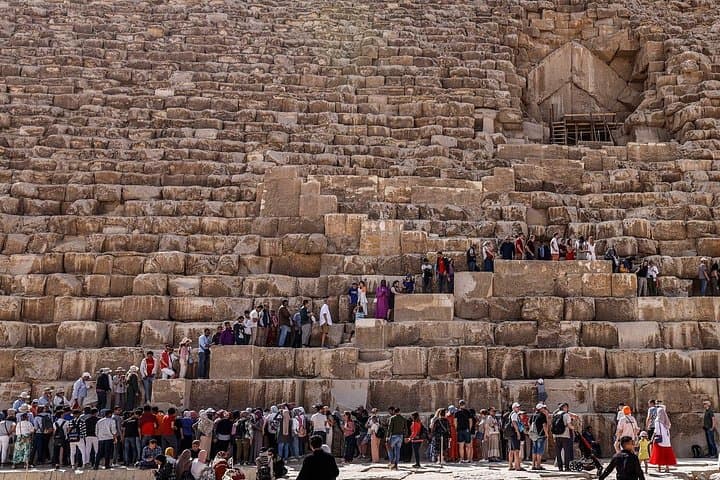
Practicalities matter here: mid-day heat is intense, surfaces are exposed, and the best light for photography is early morning or late afternoon. Bring sun protection, sturdy shoes for uneven ground, and water. Expect short walks between viewpoints and some uneven paving. If you want deeper context, budget extra time for the Solar Boat Museum and the nearby Grand Egyptian Museum, both offering artifacts and immersive context to the stones on the plateau.
Standard tours usually include basic entry to the Giza Plateau; optional internal sites like the Great Pyramid interior or Solar Boat Museum may require separate tickets.
This private option is approximately 4 hours and typically includes hotel pickup and drop-off in Cairo or Giza in an A/C vehicle.
Interior access is limited, often separately ticketed and subject to capacity and conservation rules—ask your guide in advance to secure a slot.
The plateau is uneven and includes steps; short walks are required. Notify the operator of special needs so they can advise or arrange alternative viewpoints and transport access.
Book My Egypt Tours operates guided outdoor trips and adventures with an emphasis on safety, stewardship, and memorable experiences.

You step from the air-conditioned car into a flat, bleached world where wind-carved grit and limestone blocks mark the limits of human ambition. The plateau opens: three stepped silhouettes rise from the edge of the Nile valley, their faces catching the sun while the Sphinx watches the approach like a patient guardian.
You step from the air-conditioned car into a flat, bleached world where wind-carved grit and limestone blocks mark the limits of human ambition. The plateau opens: three stepped silhouettes rise from the edge of the Nile valley, their faces catching the sun while the Sphinx watches the approach like a patient guardian.
These monuments date to Egypt’s Fourth Dynasty (c. 2580–2500 BCE). The Great Pyramid of Khufu was once the tallest man-made structure on Earth; the plateau itself is a raised band of Eocene limestone that has held tombs, temples and worker settlements for millennia. Local culture folds modern Cairo into the scene—vendors, Bedouin guides and the constant hum of the city sit just behind the desert horizon.
On a private half-day tour you’ll move at your own pace: views of Khufu, Khafre and Menkaure, the Sphinx and the causeways and valley temples that linked funerary complexes. Guides typically explain construction theories, the quarrying of local limestone and the social systems that built the necropolis.
Practicalities matter here: mid-day heat is intense, surfaces are exposed, and the best light for photography is early morning or late afternoon. Bring sun protection, sturdy shoes for uneven ground, and water. Expect short walks between viewpoints and some uneven paving. If you want deeper context, budget extra time for the Solar Boat Museum and the nearby Grand Egyptian Museum, both offering artifacts and immersive context to the stones on the plateau.