THE ADVENTURE COLLECTIVE® · Independent discovery and booking for outdoor travel

Escape Udaipur for a private half-day drive to Nagda’s Saas-Bahu temples and the ancient Eklingji complex. This accessible cultural excursion blends carved temple architecture with local ritual life—easy logistics, meaningful history.
Escape Udaipur for a private half-day drive to Nagda’s Saas-Bahu temples and the ancient Eklingji complex. This accessible cultural excursion blends carved temple architecture with local ritual life—easy logistics, meaningful history.
You slide out of Udaipur’s bustle and onto a quiet ribbon of road edged by low Aravalli ridges; mango orchards and scrubby acacia pass like pages in a field guide. The driver steers toward Nagda and then onward to Eklingji, and the temples arrive as clusters of carved stone rising from the plain—older than many modern maps.
Verified experiences and guided adventures in the surrounding area.
Operated by India saying namaste Trips · Udaipur, Rajasthan
You slide out of Udaipur’s bustle and onto a quiet ribbon of road edged by low Aravalli ridges; mango orchards and scrubby acacia pass like pages in a field guide. The driver steers toward Nagda and then onward to Eklingji, and the temples arrive as clusters of carved stone rising from the plain—older than many modern maps.
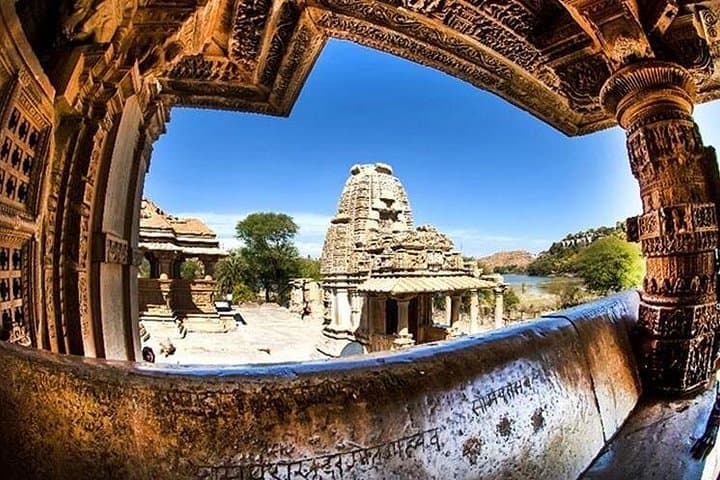
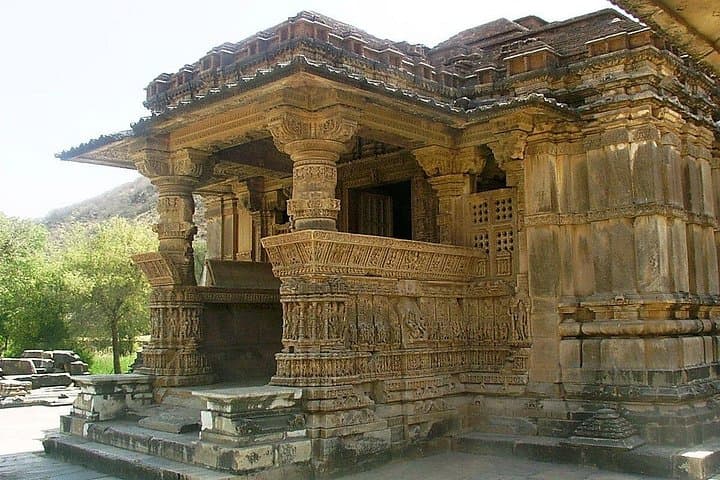
The Saas-Bahu complex at Nagda is a tight group of Vishnu shrines, carved with crisp reliefs and a calm patience that hints at more than a millennium of devotion. A short drive brings you to Eklingji, the Shiva temple complex whose identity as the traditional tutelary deity of Mewar stretches back over 1,300 years; its gilded spire and ritual courtyards still draw daily worshippers.
Geology here is modest but telling: granite outcrops and laterite soils that have shaped local building stone and drainage. Culturally, temple rituals and local festivals remain visible—offers of marigold and incense, priests chanting the daily aarti.
Practical guidance: plan an early start to avoid heat and crowds, wear modest clothing that covers shoulders and knees, and bring a reusable water bottle (organizer provides bottled water). Footwear is easy to remove at temple thresholds, so slip-on shoes are best. Photography is usually allowed in outer courtyards but follow signs and priestly requests near sanctums. The private transfer makes logistics simple—confirm pickup location in Udaipur, carry small bills for donations or entry where required, and allow a relaxed pace to absorb carvings, architecture, and the quiet of sacred grounds.
Most small temple visits do not charge a formal entrance fee, but some sanctums may request donations; the tour price usually excludes temple offerings.
Each site lies roughly 20–40 minutes from central Udaipur depending on traffic; the private tour schedules pickups to fit the 4–5 hour itinerary.
Yes—temple grounds are flat with short walks; participants should be able to board a vehicle and walk short distances on stone paths.
Photography is generally allowed in outer areas but may be restricted in inner sanctums or during rituals—follow signs and staff guidance.
India saying namaste Trips operates guided outdoor trips and adventures with an emphasis on safety, stewardship, and memorable experiences.


You slide out of Udaipur’s bustle and onto a quiet ribbon of road edged by low Aravalli ridges; mango orchards and scrubby acacia pass like pages in a field guide. The driver steers toward Nagda and then onward to Eklingji, and the temples arrive as clusters of carved stone rising from the plain—older than many modern maps.
You slide out of Udaipur’s bustle and onto a quiet ribbon of road edged by low Aravalli ridges; mango orchards and scrubby acacia pass like pages in a field guide. The driver steers toward Nagda and then onward to Eklingji, and the temples arrive as clusters of carved stone rising from the plain—older than many modern maps.
The Saas-Bahu complex at Nagda is a tight group of Vishnu shrines, carved with crisp reliefs and a calm patience that hints at more than a millennium of devotion. A short drive brings you to Eklingji, the Shiva temple complex whose identity as the traditional tutelary deity of Mewar stretches back over 1,300 years; its gilded spire and ritual courtyards still draw daily worshippers.
Geology here is modest but telling: granite outcrops and laterite soils that have shaped local building stone and drainage. Culturally, temple rituals and local festivals remain visible—offers of marigold and incense, priests chanting the daily aarti.
Practical guidance: plan an early start to avoid heat and crowds, wear modest clothing that covers shoulders and knees, and bring a reusable water bottle (organizer provides bottled water). Footwear is easy to remove at temple thresholds, so slip-on shoes are best. Photography is usually allowed in outer courtyards but follow signs and priestly requests near sanctums. The private transfer makes logistics simple—confirm pickup location in Udaipur, carry small bills for donations or entry where required, and allow a relaxed pace to absorb carvings, architecture, and the quiet of sacred grounds.