THE ADVENTURE COLLECTIVE® · Independent discovery and booking for outdoor travel

Spend a focused half-day exploring the Great Pyramids and the Great Sphinx with a private Egyptologist guide. This tour combines entrance fees, a camel ride, and hotel pickup for a compact, informative encounter with the Giza Plateau.
Spend a focused half-day exploring the Great Pyramids and the Great Sphinx with a private Egyptologist guide. This tour combines entrance fees, a camel ride, and hotel pickup for a compact, informative encounter with the Giza Plateau.
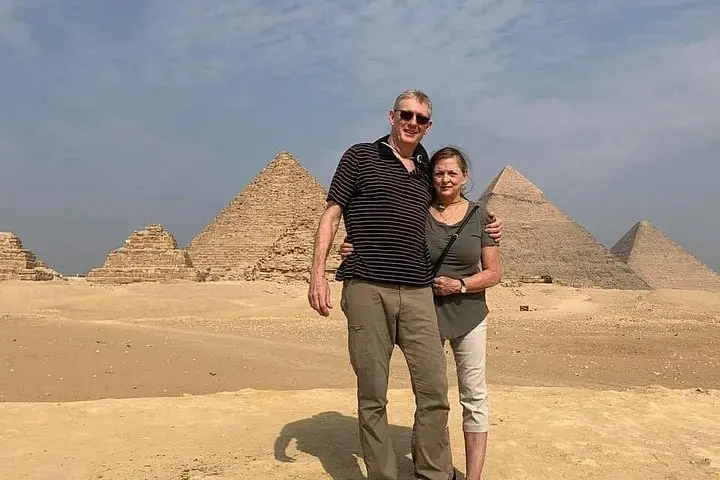
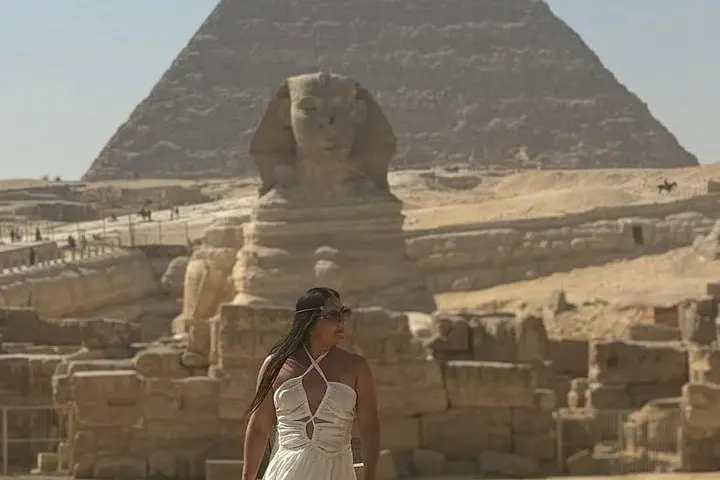
Dawn spills across the Giza Plateau, the low sun cutting long shadows from three upright pyramids while the Sphinx holds its eternal, watchful stare. A private Egyptologist guide meets you in a hotel lobby and the city’s bustle slips away in an air-conditioned car as the desert draws you forward.
Verified experiences and guided adventures in the surrounding area.
Operated by Egyway Tours · Giza, Giza Governorate
Dawn spills across the Giza Plateau, the low sun cutting long shadows from three upright pyramids while the Sphinx holds its eternal, watchful stare. A private Egyptologist guide meets you in a hotel lobby and the city’s bustle slips away in an air-conditioned car as the desert draws you forward.
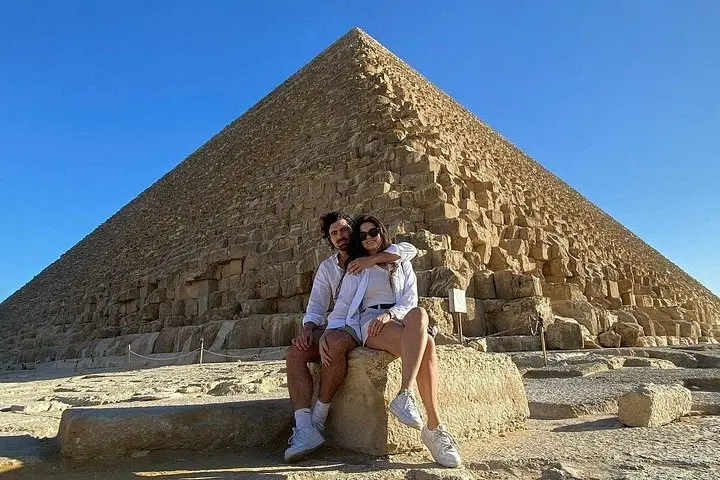
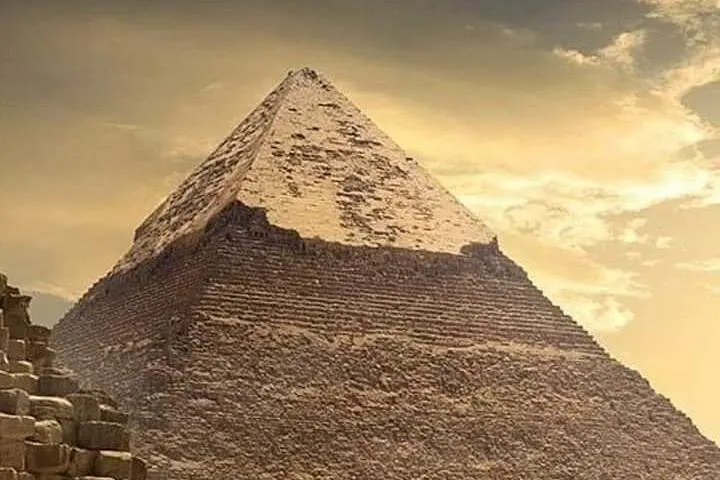
The site’s history is immediate: Khufu’s Great Pyramid—built roughly 4,500 years ago—is the lone survivor of the ancient Wonders, sitting on limestone bedrock that has weathered millennia of sand and wind. Khafre and Menkaure stand nearby; the Sphinx, carved from a single limestone outcrop, guards their valley temple where priests once prepared royalty for the afterlife.
The plateau is as much geology as monument: wind-blown sand, exposed bedrock, and quarried stone that reveal how builders used local materials. Guides thread cultural context—ritual, astronomy, and the logistics of moving multi-ton blocks—into descriptions of the monuments’ scale.
Practicalities shape the visit: the private half-day runs about five hours, with entrance fees and a short camel ride included. Wear closed-toe shoes for uneven limestone and sand, pack sun protection and at least 1–2 liters of water, and plan for early morning or late afternoon light for photographs and cooler temperatures. Respect signage and staff: climbing or touching the monuments is prohibited, and interior access to pyramids may be restricted or require separate tickets.
The experience is brisk but immersive—history framed by desert air and city skyline—ideal for travelers who want a concentrated, guided encounter with Egypt’s most iconic landscape.
Yes — entrance to the Giza Plateau and the Sphinx/Valley Temple are included in this tour price.
Interior access to pyramids is limited, sometimes requires a separate ticket, and may be restricted for conservation—ask your guide on arrival.
Yes — a short camel ride around the plateau is included; handlers provide instruction and the ride is suitable for most visitors, though it may be uncomfortable for some.
Pickup from hotels in Cairo or Giza is included; final pickup details are confirmed at booking.
Egyway Tours operates guided outdoor trips and adventures with an emphasis on safety, stewardship, and memorable experiences.
Dawn spills across the Giza Plateau, the low sun cutting long shadows from three upright pyramids while the Sphinx holds its eternal, watchful stare. A private Egyptologist guide meets you in a hotel lobby and the city’s bustle slips away in an air-conditioned car as the desert draws you forward.
Dawn spills across the Giza Plateau, the low sun cutting long shadows from three upright pyramids while the Sphinx holds its eternal, watchful stare. A private Egyptologist guide meets you in a hotel lobby and the city’s bustle slips away in an air-conditioned car as the desert draws you forward.
The site’s history is immediate: Khufu’s Great Pyramid—built roughly 4,500 years ago—is the lone survivor of the ancient Wonders, sitting on limestone bedrock that has weathered millennia of sand and wind. Khafre and Menkaure stand nearby; the Sphinx, carved from a single limestone outcrop, guards their valley temple where priests once prepared royalty for the afterlife.
The plateau is as much geology as monument: wind-blown sand, exposed bedrock, and quarried stone that reveal how builders used local materials. Guides thread cultural context—ritual, astronomy, and the logistics of moving multi-ton blocks—into descriptions of the monuments’ scale.
Practicalities shape the visit: the private half-day runs about five hours, with entrance fees and a short camel ride included. Wear closed-toe shoes for uneven limestone and sand, pack sun protection and at least 1–2 liters of water, and plan for early morning or late afternoon light for photographs and cooler temperatures. Respect signage and staff: climbing or touching the monuments is prohibited, and interior access to pyramids may be restricted or require separate tickets.
The experience is brisk but immersive—history framed by desert air and city skyline—ideal for travelers who want a concentrated, guided encounter with Egypt’s most iconic landscape.