THE ADVENTURE COLLECTIVE® · Independent discovery and booking for outdoor travel

Spend a private half-day exploring the Great Pyramid, Khafre and Menkaure, plus the iconic Sphinx. This guided experience combines expert insight with hotel pickup and the practicalities of visiting one of the world’s oldest archaeological sites.
Spend a private half-day exploring the Great Pyramid, Khafre and Menkaure, plus the iconic Sphinx. This guided experience combines expert insight with hotel pickup and the practicalities of visiting one of the world’s oldest archaeological sites.
You drive out of Cairo as a strip of modern concrete falls behind you and the desert opens like a patient host. Sand carries the heat in waves while the Great Pyramid looms ahead—stone steps scaled by millennia, faces worn by wind that dares you to imagine the builders’ hands.
Verified experiences and guided adventures in the surrounding area.
Operated by Tui Egypt · Giza, Giza
You drive out of Cairo as a strip of modern concrete falls behind you and the desert opens like a patient host. Sand carries the heat in waves while the Great Pyramid looms ahead—stone steps scaled by millennia, faces worn by wind that dares you to imagine the builders’ hands.
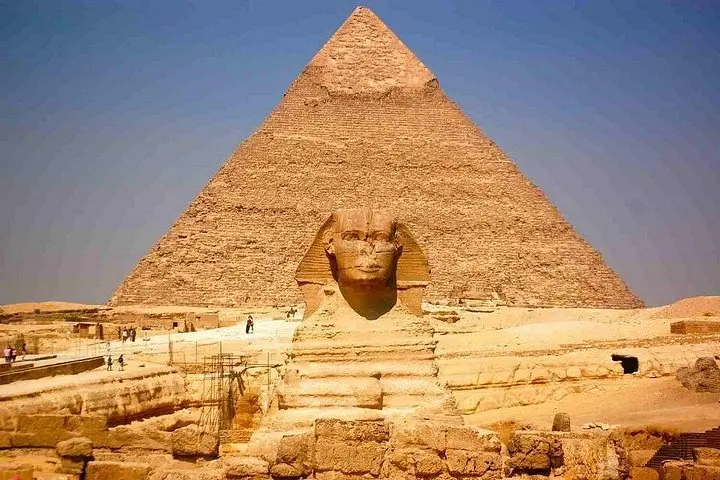
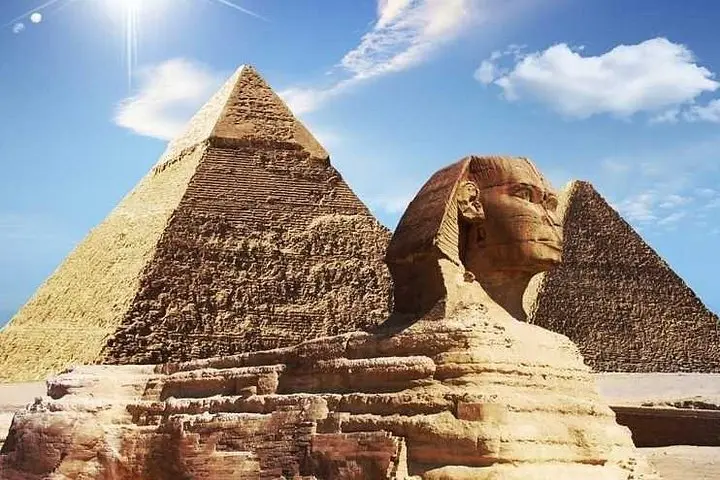
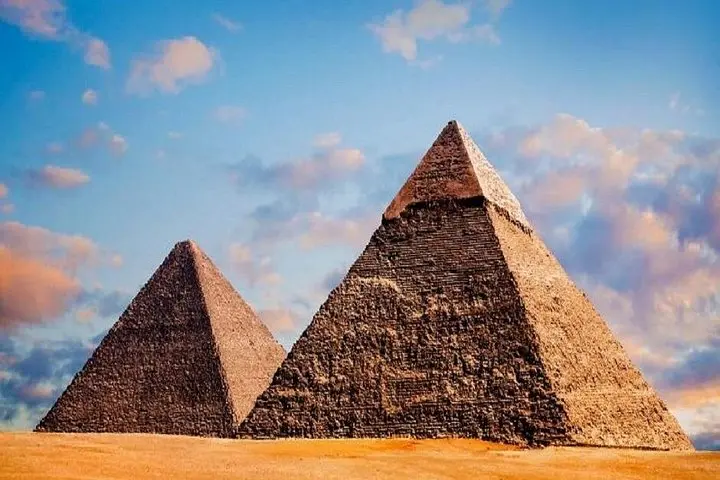
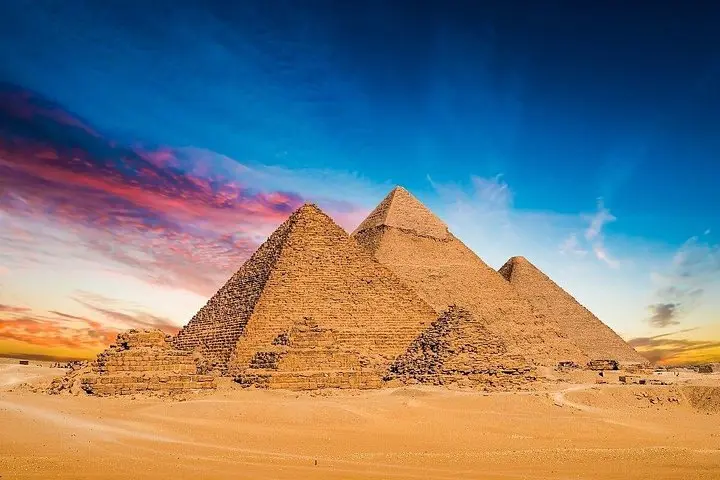
The Giza plateau holds short, towering chapters of Egyptian history: Khufu’s Great Pyramid, Khafre’s slightly shorter companion and Menkaure’s compact monument, all aligned with ancient precision. The Sphinx guards the plain, its limestone face weathered but unmistakably human, a cultural crossroads where Pharaonic ambition meets centuries of Bedouin life and modern tourism.
Geologically the plateau is a band of Eocene limestone; its blocks were cut from local quarries and stacked with engineering that still prompts debate. Culturally, this is living heritage—vendors, guides, and camel handlers keep the site active; Egyptologists continue to refine chronologies and conservationists work to limit visitor impacts.
Practically: this private, four-hour tour typically includes private transport, an English-speaking Egyptologist, bottled water and hotel pickup. Entrance fees to the interior of pyramids are often extra and subject to closures; expect walking on uneven stone, short climbs and open sun. Wear closed shoes, bring sun protection and small bills for tipping and incidental purchases. Time your visit for morning or late afternoon light to reduce heat and see the monuments in flattering shadow. Respect signage—climbing is prohibited—and leave no trace: these structures survive because generations cared for them.
Yes — private transport and hotel pickup from Cairo are typically included in this tour.
No — interior access is often not included and requires a separate entrance fee; availability can change due to conservation needs.
Early morning or late afternoon offers cooler temperatures and better light for photos; midday is hottest and busiest.
Yes — the tour is suitable for families, though interior passages can be narrow and may not be suitable for very young children or those with mobility issues.
Tui Egypt operates guided outdoor trips and adventures with an emphasis on safety, stewardship, and memorable experiences.
You drive out of Cairo as a strip of modern concrete falls behind you and the desert opens like a patient host. Sand carries the heat in waves while the Great Pyramid looms ahead—stone steps scaled by millennia, faces worn by wind that dares you to imagine the builders’ hands.
You drive out of Cairo as a strip of modern concrete falls behind you and the desert opens like a patient host. Sand carries the heat in waves while the Great Pyramid looms ahead—stone steps scaled by millennia, faces worn by wind that dares you to imagine the builders’ hands.
The Giza plateau holds short, towering chapters of Egyptian history: Khufu’s Great Pyramid, Khafre’s slightly shorter companion and Menkaure’s compact monument, all aligned with ancient precision. The Sphinx guards the plain, its limestone face weathered but unmistakably human, a cultural crossroads where Pharaonic ambition meets centuries of Bedouin life and modern tourism.
Geologically the plateau is a band of Eocene limestone; its blocks were cut from local quarries and stacked with engineering that still prompts debate. Culturally, this is living heritage—vendors, guides, and camel handlers keep the site active; Egyptologists continue to refine chronologies and conservationists work to limit visitor impacts.
Practically: this private, four-hour tour typically includes private transport, an English-speaking Egyptologist, bottled water and hotel pickup. Entrance fees to the interior of pyramids are often extra and subject to closures; expect walking on uneven stone, short climbs and open sun. Wear closed shoes, bring sun protection and small bills for tipping and incidental purchases. Time your visit for morning or late afternoon light to reduce heat and see the monuments in flattering shadow. Respect signage—climbing is prohibited—and leave no trace: these structures survive because generations cared for them.