THE ADVENTURE COLLECTIVE® · Independent discovery and booking for outdoor travel

See Putrajaya’s monumental modern government precinct, climb the limestone steps of Batu Caves, and explore a 25‑acre agricultural park in a single efficient half-day. This private tour mixes architecture, devotion, and hands-on botany with hotel pickup from Kuala Lumpur.
See Putrajaya’s monumental modern government precinct, climb the limestone steps of Batu Caves, and explore a 25‑acre agricultural park in a single efficient half-day. This private tour mixes architecture, devotion, and hands-on botany with hotel pickup from Kuala Lumpur.
You step from an air-conditioned vehicle onto a broad plaza framed by pink domes and the steady glide of Putrajaya Lake. The city’s low-rise modernity gives way to manicured gardens, a convention centre with spaceship-like lines, and the quiet green of an agricultural demonstration plot where tropical fruit trees catch the light.
Verified experiences and guided adventures in the surrounding area.
Operated by Asni Tours & Travel (M) Sdn Bhd · Putrajaya, Putrajaya
You step from an air-conditioned vehicle onto a broad plaza framed by pink domes and the steady glide of Putrajaya Lake. The city’s low-rise modernity gives way to manicured gardens, a convention centre with spaceship-like lines, and the quiet green of an agricultural demonstration plot where tropical fruit trees catch the light.
Putrajaya was carved from former oil palm estates in the late 1990s as Malaysia’s administrative heart; its carefully sited bridges and government buildings reflect modern nation-building more than organic urban growth. Geologically the tour contrasts limestone karst at Batu Caves—a jagged, older landscape of caves and steep steps—with the engineered wetlands and palms of Putrajaya. Culturally the route traces Malaysia’s plural identity: Islamic architecture at Putra Mosque, Hindu devotion at Batu Caves, and Malay, Chinese and Indian influences visible in markets and plantings.
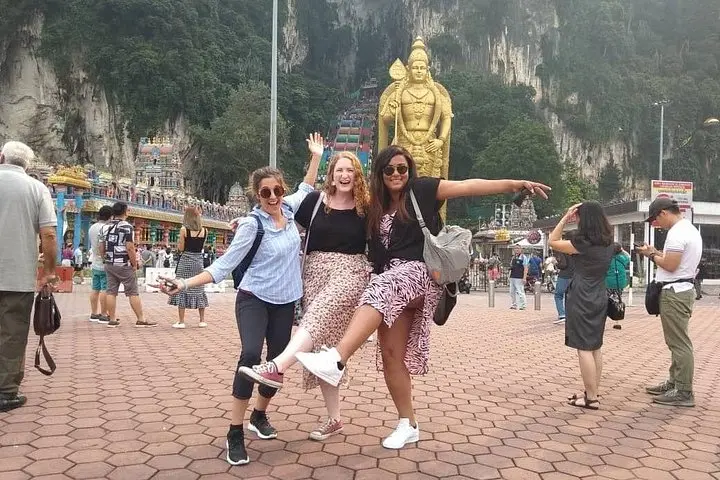
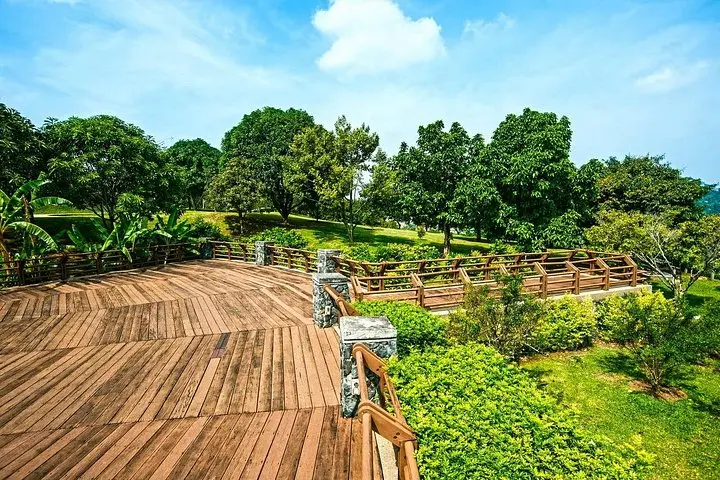
Expect a mix of short walks, steps (Batu Caves has 272), and photo stops at Perdana Putra and the Convention Centre. The Agriculture Heritage Park showcases fruit trees, spice gardens and a mini rice paddy—useful for a quick primer on tropical crops.
Practical guidance: wear sturdy but breathable shoes, bring sun protection and a refillable water bottle, and plan around mid-afternoon showers in the monsoon season. Respect mosque visiting hours and dress modestly; at Batu Caves keep distance from macaques and secure loose items. With hotel pickup in Kuala Lumpur and a compact 4–5 hour schedule, this half-day loop is efficient for visitors seeking cultural variety without long transfers.
The tour runs about 4–5 hours, including hotel pickup and drop-off; exact timing depends on traffic and group pace.
Yes, outside of prayer times non-Muslims may visit the exterior and certain areas; modest dress is required and robes can be rented if needed.
Visiting involves climbing 272 steps to the main cave temple—it's steep but short; take breaks if needed and avoid peak midday heat.
Agriculture Park entrance is included; general access to Batu Caves and exterior mosque areas is free, though donations and optional fees (robe rental) may apply.
Asni Tours & Travel (M) Sdn Bhd operates guided outdoor trips and adventures with an emphasis on safety, stewardship, and memorable experiences.
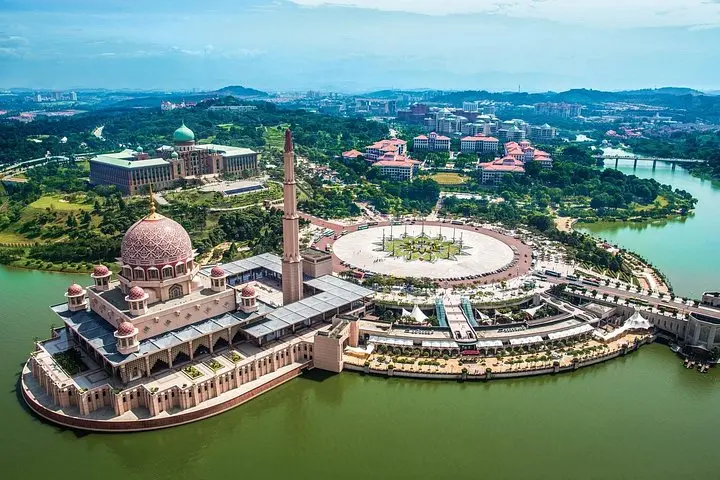
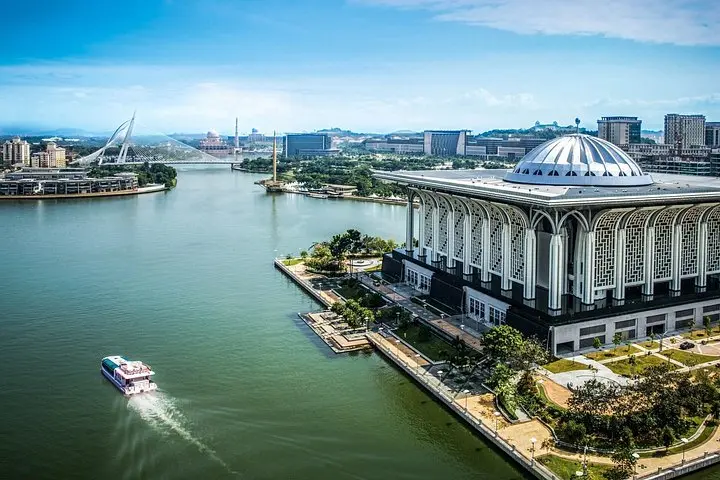
You step from an air-conditioned vehicle onto a broad plaza framed by pink domes and the steady glide of Putrajaya Lake. The city’s low-rise modernity gives way to manicured gardens, a convention centre with spaceship-like lines, and the quiet green of an agricultural demonstration plot where tropical fruit trees catch the light.
You step from an air-conditioned vehicle onto a broad plaza framed by pink domes and the steady glide of Putrajaya Lake. The city’s low-rise modernity gives way to manicured gardens, a convention centre with spaceship-like lines, and the quiet green of an agricultural demonstration plot where tropical fruit trees catch the light.
Putrajaya was carved from former oil palm estates in the late 1990s as Malaysia’s administrative heart; its carefully sited bridges and government buildings reflect modern nation-building more than organic urban growth. Geologically the tour contrasts limestone karst at Batu Caves—a jagged, older landscape of caves and steep steps—with the engineered wetlands and palms of Putrajaya. Culturally the route traces Malaysia’s plural identity: Islamic architecture at Putra Mosque, Hindu devotion at Batu Caves, and Malay, Chinese and Indian influences visible in markets and plantings.
Expect a mix of short walks, steps (Batu Caves has 272), and photo stops at Perdana Putra and the Convention Centre. The Agriculture Heritage Park showcases fruit trees, spice gardens and a mini rice paddy—useful for a quick primer on tropical crops.
Practical guidance: wear sturdy but breathable shoes, bring sun protection and a refillable water bottle, and plan around mid-afternoon showers in the monsoon season. Respect mosque visiting hours and dress modestly; at Batu Caves keep distance from macaques and secure loose items. With hotel pickup in Kuala Lumpur and a compact 4–5 hour schedule, this half-day loop is efficient for visitors seeking cultural variety without long transfers.