THE ADVENTURE COLLECTIVE® · Independent discovery and booking for outdoor travel

Stand where Pharaohs planned eternity: a compact, half‑day tour of the Great Pyramids, Sphinx and a camel ride across the plateau, capped with a local Egyptian lunch. Practical, photo‑ready and easy to fit into a Cairo visit.
Stand where Pharaohs planned eternity: a compact, half‑day tour of the Great Pyramids, Sphinx and a camel ride across the plateau, capped with a local Egyptian lunch. Practical, photo‑ready and easy to fit into a Cairo visit.
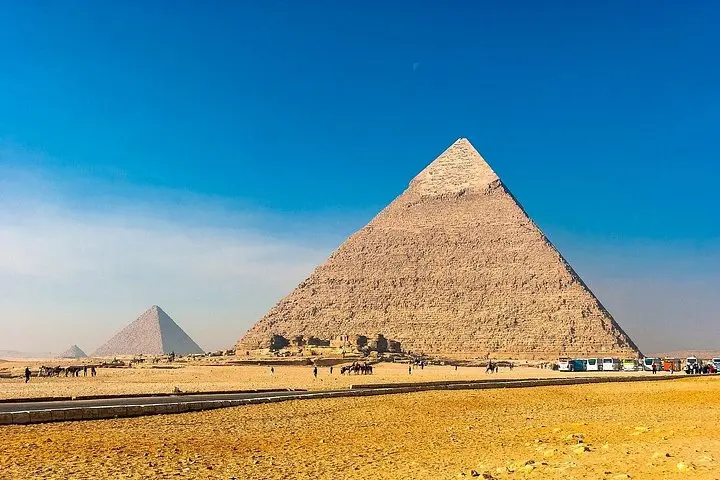
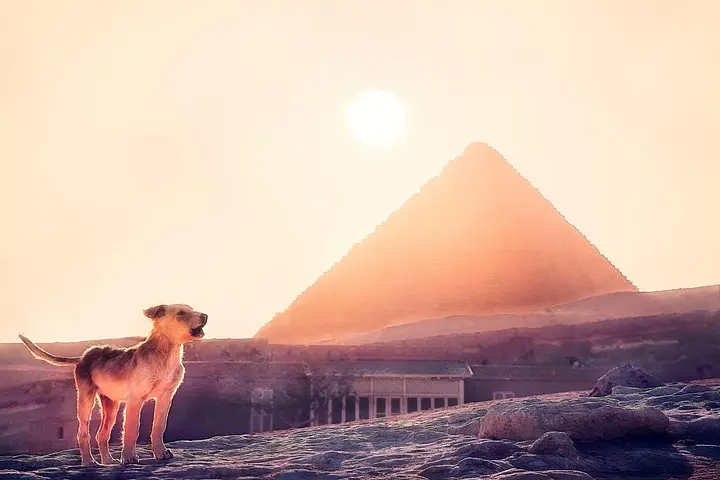
On the edge of a modern metropolis, the Giza Plateau opens like a wind-sculpted stage: limestone pyramids rise from flat desert, the Sphinx watches the city’s eastward sprawl, and the plateaus’ light changes fast enough to feel theatrical.
Verified experiences and guided adventures in the surrounding area.
Operated by Travelish Tours · Giza, Giza Governorate
On the edge of a modern metropolis, the Giza Plateau opens like a wind-sculpted stage: limestone pyramids rise from flat desert, the Sphinx watches the city’s eastward sprawl, and the plateaus’ light changes fast enough to feel theatrical.
Visitors approach by air‑conditioned vehicle, stepping from Cairo’s bustle into a landscape carved by millennia. The three great pyramids—Khufu, Khafre and Menkaure—date to Egypt’s Fourth Dynasty (c. 2600–2500 BCE) and were engineered as royal tombs using locally quarried limestone and granite. The Sphinx, a weathered guardian hewn from bedrock, anchors the plateau’s eastern edge and hints at ancient ritual routes to the Nile.
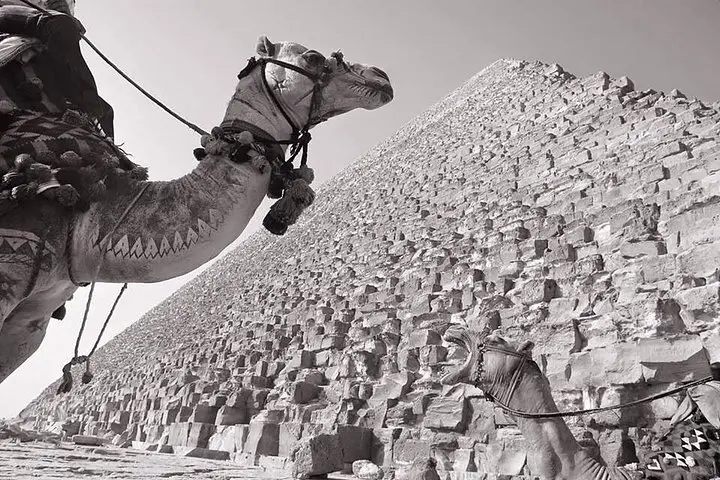
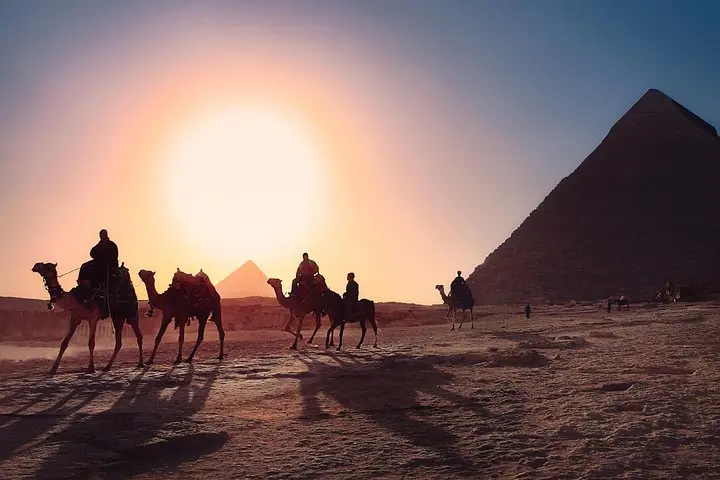
Geology here is simple and stark: exposed bedrock, sand drift, and manmade causeways. Local culture threads through the experience—camel handlers offering short rides, vendors selling mint tea and papyrus prints, and restaurants where traditional Egyptian lunch brings slow, spiced relief after the sun.
Practically, the half‑day tour focuses on views, short walks and photo stops rather than long treks. Expect uneven stone surfaces and sandy tracks; the panoramic western plateau is best for sunrise or late afternoon light. Guides typically include entrance fees, hotel pickup and lunch; camel or horse rides are optional and brief.
Bring sun protection, comfortable flat shoes, and a small daypack; keep to marked areas, do not climb monuments, and carry cash for small purchases and tips. With a brisk tempo and big rewards, this tour makes ancient engineering immediately legible and viscerally present.
This private half‑day tour runs about four hours including pickup, visits to the plateau and Sphinx, a camel/horse ride, and lunch.
Entry to some pyramid interiors is controlled and may require additional tickets; climbing exterior faces is forbidden.
Short supervised camel or horse rides are common; operators provide handlers and infant seats are sometimes available—ask when booking.
Parts of the site offer limited wheelchair access and vehicle drop-offs, but terrain is uneven—confirm accessibility with the operator ahead of time.
Travelish Tours operates guided outdoor trips and adventures with an emphasis on safety, stewardship, and memorable experiences.
On the edge of a modern metropolis, the Giza Plateau opens like a wind-sculpted stage: limestone pyramids rise from flat desert, the Sphinx watches the city’s eastward sprawl, and the plateaus’ light changes fast enough to feel theatrical.
On the edge of a modern metropolis, the Giza Plateau opens like a wind-sculpted stage: limestone pyramids rise from flat desert, the Sphinx watches the city’s eastward sprawl, and the plateaus’ light changes fast enough to feel theatrical.
Visitors approach by air‑conditioned vehicle, stepping from Cairo’s bustle into a landscape carved by millennia. The three great pyramids—Khufu, Khafre and Menkaure—date to Egypt’s Fourth Dynasty (c. 2600–2500 BCE) and were engineered as royal tombs using locally quarried limestone and granite. The Sphinx, a weathered guardian hewn from bedrock, anchors the plateau’s eastern edge and hints at ancient ritual routes to the Nile.
Geology here is simple and stark: exposed bedrock, sand drift, and manmade causeways. Local culture threads through the experience—camel handlers offering short rides, vendors selling mint tea and papyrus prints, and restaurants where traditional Egyptian lunch brings slow, spiced relief after the sun.
Practically, the half‑day tour focuses on views, short walks and photo stops rather than long treks. Expect uneven stone surfaces and sandy tracks; the panoramic western plateau is best for sunrise or late afternoon light. Guides typically include entrance fees, hotel pickup and lunch; camel or horse rides are optional and brief.
Bring sun protection, comfortable flat shoes, and a small daypack; keep to marked areas, do not climb monuments, and carry cash for small purchases and tips. With a brisk tempo and big rewards, this tour makes ancient engineering immediately legible and viscerally present.