THE ADVENTURE COLLECTIVE® · Independent discovery and booking for outdoor travel

Clip in for a three-hour climb above Inca terraces in the Sacred Valley. This beginner-friendly half-day tour delivers exposed granite, expert instruction, and valley views framed by the Urubamba River.
Clip in for a three-hour climb above Inca terraces in the Sacred Valley. This beginner-friendly half-day tour delivers exposed granite, expert instruction, and valley views framed by the Urubamba River.
You step off the van and the air is thinner, colder and oddly electric — the valley seems to lean in. Rock faces rise from fields of terraced corn and dwarf eucalyptus, vertical lines carved where rivers once pushed harder. In three hours you will move from flat valley floor to hands-on contact with Andes granite, clipping draws and trusting a belay while snow-bright peaks keep count of your breaths.
Verified experiences and guided adventures in the surrounding area.
Operated by Experiencia de escalada en Vértigo Valle Sagrado · Ollantaytambo, Cusco
You step off the van and the air is thinner, colder and oddly electric — the valley seems to lean in. Rock faces rise from fields of terraced corn and dwarf eucalyptus, vertical lines carved where rivers once pushed harder. In three hours you will move from flat valley floor to hands-on contact with Andes granite, clipping draws and trusting a belay while snow-bright peaks keep count of your breaths.
The Sacred Valley has always been a working landscape. Long before climbers arrived, the Incas read these same rock faces as markers of water and boundary, carving terraces and channels that still route melt into fields. Geologically the valley is a faulted corridor where glacial and fluvial forces exposed columnar, often grippy volcanic and metamorphic rock — the kind that both invites a fingertip and demands respect. Culturally, climbing here is layered atop ancient farmsteads and mills; local families still tend plots below popular sectors, so silence and stewardship matter.
Climbs on this half-day tour range from short top-ropes of 10 meters to multi-pitch lines reaching 100 meters. Routes are suitable for beginners through advanced, but the setting amplifies even an easy pitch: terraces and irrigation canals run nearby, and the Urubamba River dares you with its steady rush below. Guides supply harness, helmet, ropes, climbing shoes (cat’s feet), magnesium and a trained instructor who rigs anchors and belays — the technical parts are taken care of so you can focus on movement and technique.
Practical stuff: the tour runs about three hours with groups capped at eight, and operators coordinate pickup a day ahead. Elevation sits around 2,800–3,000 meters, so acclimatize in Cusco or Ollantaytambo first; even a well-conditioned visitor can feel the altitude. The approach to crags is generally short but may include uneven farmer trails; expect dusty steps and loose scree. Not recommended for guests with serious spinal or heart conditions, or for pregnant travelers.
Timing and gear choices tilt the experience. Aim for early morning to avoid the strongest sun and to catch cleaner air and quieter routes. Wear layered sun-protective clothing, bring at least 1.5 liters of water, and carry a light daypack for camera, wind layer, and snacks. Footwork matters — rental cat’s feet are provided, but if you have your own shoes that fit well bring them.
After the climb, linger for a cup of coca tea or a walk through nearby terraces; the change from vertical to cultivated horizontal is an understated part of the ride home. With a careful guide, a taste of local hospitality, and the valley’s wind on your face, a half-day here can feel like a full reset — technical enough to teach you, accessible enough to invite you back.
No — the tour accommodates beginners and includes instruction, harness, helmet, rope and shoes; guides will teach basic movement and safety.
The activity runs about three hours on site; total pickup-to-dropoff time depends on your hotel location in the Sacred Valley or Cusco.
Safety depends on age and maturity; operators typically accept younger climbers if they can follow instructions and meet weight/size requirements — check with the supplier.
This operator’s policy does not automatically cancel for bad weather; if conditions are unsafe guides may reschedule or cancel — check refund rules for 24-hour cancellation terms.
Not recommended for travelers with serious spinal or cardiovascular issues or those who are pregnant; service animals allowed but climbing not suitable for them.
Yes — pickup is offered and coordinated a day before; confirm your pickup point and be ready about 30 minutes before scheduled departure.
Experiencia de escalada en Vértigo Valle Sagrado operates guided outdoor trips and adventures with an emphasis on safety, stewardship, and memorable experiences.
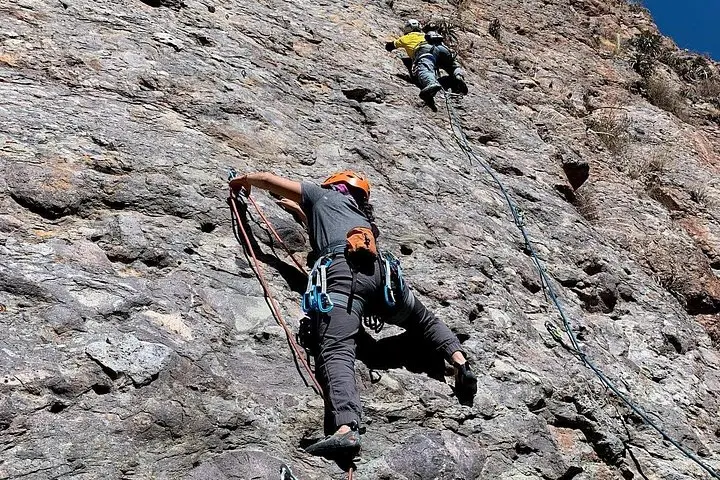
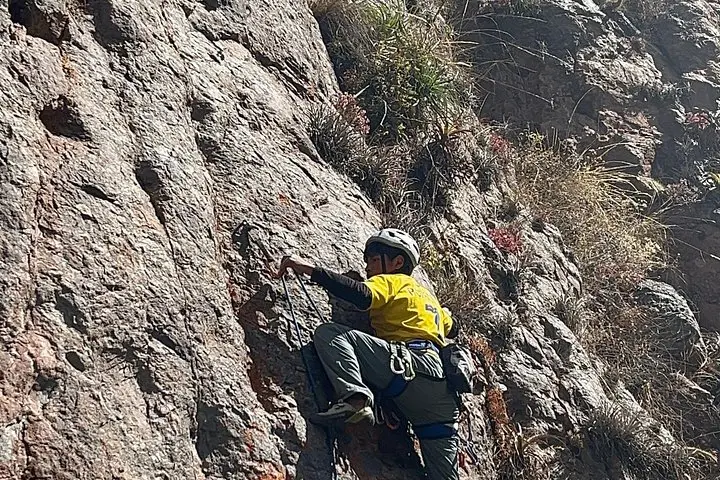
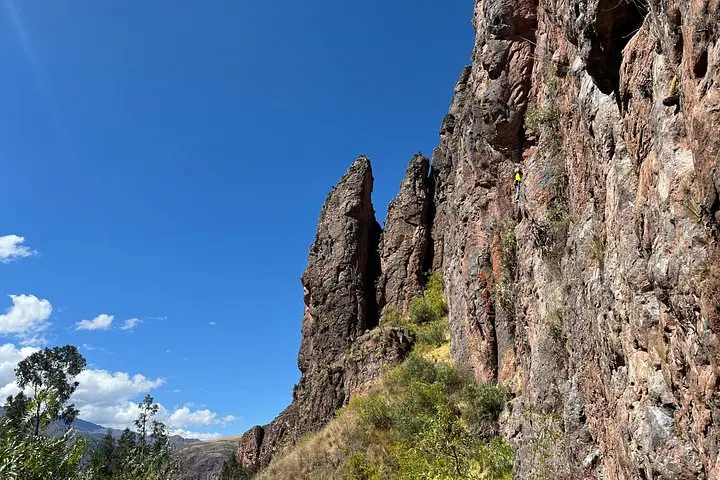
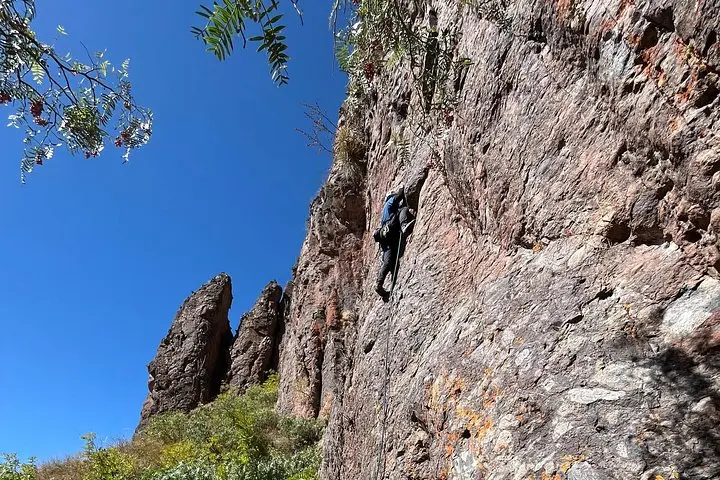
You step off the van and the air is thinner, colder and oddly electric — the valley seems to lean in. Rock faces rise from fields of terraced corn and dwarf eucalyptus, vertical lines carved where rivers once pushed harder. In three hours you will move from flat valley floor to hands-on contact with Andes granite, clipping draws and trusting a belay while snow-bright peaks keep count of your breaths.
You step off the van and the air is thinner, colder and oddly electric — the valley seems to lean in. Rock faces rise from fields of terraced corn and dwarf eucalyptus, vertical lines carved where rivers once pushed harder. In three hours you will move from flat valley floor to hands-on contact with Andes granite, clipping draws and trusting a belay while snow-bright peaks keep count of your breaths.
The Sacred Valley has always been a working landscape. Long before climbers arrived, the Incas read these same rock faces as markers of water and boundary, carving terraces and channels that still route melt into fields. Geologically the valley is a faulted corridor where glacial and fluvial forces exposed columnar, often grippy volcanic and metamorphic rock — the kind that both invites a fingertip and demands respect. Culturally, climbing here is layered atop ancient farmsteads and mills; local families still tend plots below popular sectors, so silence and stewardship matter.
Climbs on this half-day tour range from short top-ropes of 10 meters to multi-pitch lines reaching 100 meters. Routes are suitable for beginners through advanced, but the setting amplifies even an easy pitch: terraces and irrigation canals run nearby, and the Urubamba River dares you with its steady rush below. Guides supply harness, helmet, ropes, climbing shoes (cat’s feet), magnesium and a trained instructor who rigs anchors and belays — the technical parts are taken care of so you can focus on movement and technique.
Practical stuff: the tour runs about three hours with groups capped at eight, and operators coordinate pickup a day ahead. Elevation sits around 2,800–3,000 meters, so acclimatize in Cusco or Ollantaytambo first; even a well-conditioned visitor can feel the altitude. The approach to crags is generally short but may include uneven farmer trails; expect dusty steps and loose scree. Not recommended for guests with serious spinal or heart conditions, or for pregnant travelers.
Timing and gear choices tilt the experience. Aim for early morning to avoid the strongest sun and to catch cleaner air and quieter routes. Wear layered sun-protective clothing, bring at least 1.5 liters of water, and carry a light daypack for camera, wind layer, and snacks. Footwork matters — rental cat’s feet are provided, but if you have your own shoes that fit well bring them.
After the climb, linger for a cup of coca tea or a walk through nearby terraces; the change from vertical to cultivated horizontal is an understated part of the ride home. With a careful guide, a taste of local hospitality, and the valley’s wind on your face, a half-day here can feel like a full reset — technical enough to teach you, accessible enough to invite you back.