THE ADVENTURE COLLECTIVE® · Independent discovery and booking for outdoor travel

Experience the wild heart of Kenya just minutes from Nairobi on a half-day safari through Nairobi National Park. Encounter lions, giraffes, and elephants in diverse landscapes while gaining insight into conservation and local history.
Experience the wild heart of Kenya just minutes from Nairobi on a half-day safari through Nairobi National Park. Encounter lions, giraffes, and elephants in diverse landscapes while gaining insight into conservation and local history.
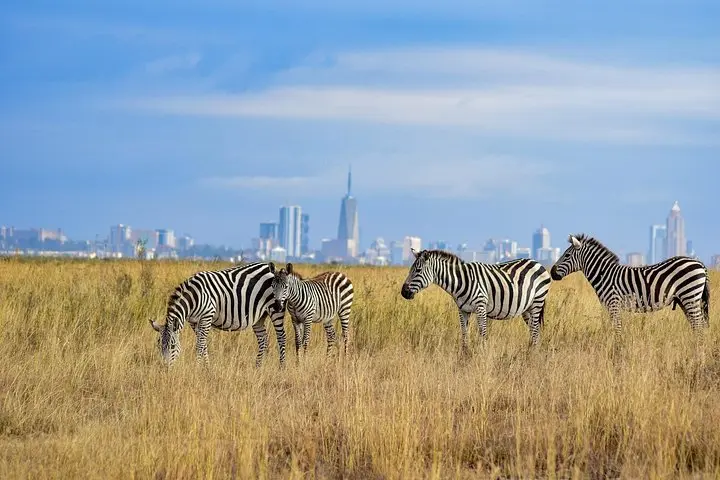
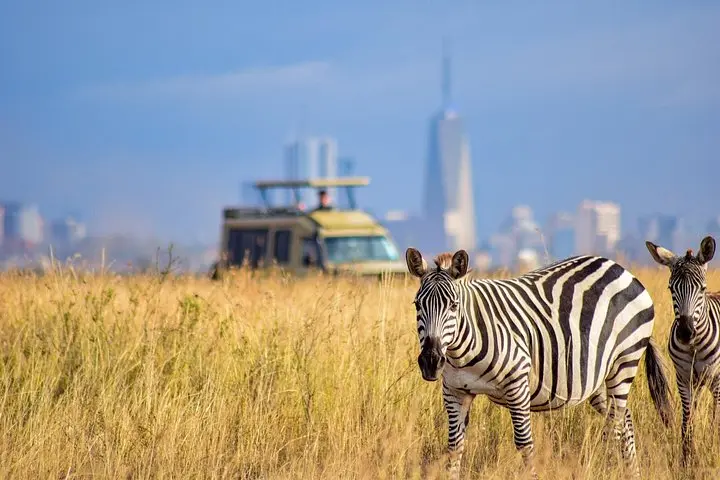
At the break of dawn, the vast plains of Nairobi National Park awaken, the golden grasses stretching beneath a pale African sky. This is one of the rare places where wild savannah roams unrestrained barely minutes from a bustling metropolis. On the half-day safari, a private guide steers you through this mosaic of ecosystems—open grasslands, acacia thickets, and riverine forests—where the wild asserts its hold despite urban edges creeping nearby.
Verified experiences and guided adventures in the surrounding area.
Operated by Tattol Travel · Nairobi
At the break of dawn, the vast plains of Nairobi National Park awaken, the golden grasses stretching beneath a pale African sky. This is one of the rare places where wild savannah roams unrestrained barely minutes from a bustling metropolis. On the half-day safari, a private guide steers you through this mosaic of ecosystems—open grasslands, acacia thickets, and riverine forests—where the wild asserts its hold despite urban edges creeping nearby.
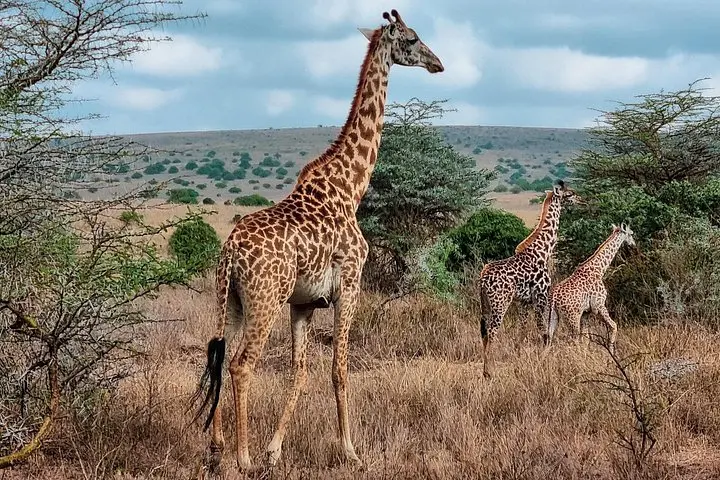
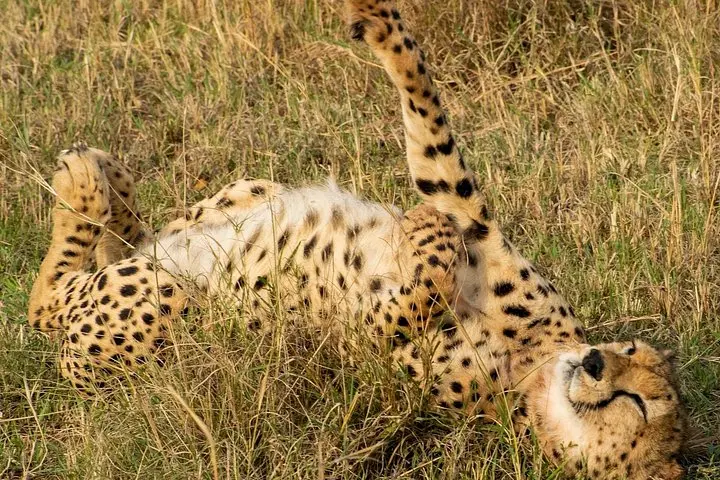
Nairobi National Park spans just about 44 square miles, a compact wilderness offering sightings of Africa’s iconic fauna: elegant giraffes browsing without hurry, lions lounging in shaded thickets, elusive leopards slipping through the grass, and towering elephants surveying their domain. The park’s proximity to Nairobi makes it an accessible haven, founded in 1946 as Kenya’s first national park to protect wildlife amid expanding human development.
Your safari drive explores multiple habitats, with your guide providing insights into the park’s geology—a relatively flat landscape formed by ancient lava flows—and its role in conservation. Along the route, you’ll pause at the poignant Ivory Burning Site Monument, where a massive pile of confiscated ivory was publicly destroyed in a 1989 effort to curb poaching. This visit grounds the adventure in the ongoing battle to preserve Africa's endangered species.
For a hands-on wildlife experience, an optional stop at the David Sheldrick Wildlife Trust’s elephant orphanage offers a chance to see rescued baby elephants being fed and cared for, though this is outside the official park boundary and at an additional fee.
This half-day excursion spans roughly 5 hours, with about 3 hours spent actively on safari through the varied landscapes. The terrain is mostly flat dirt roads suitable for a standard vehicle, though dust and occasional bumps demand sturdy shoes and a readiness for the elements. Mid-morning is an ideal time to start, capitalizing on cooler temperatures and active animal sightings before the sun climbs high.
Practical tips include bringing sun protection and insect repellent given the open exposures and riverine areas, plus water to stay hydrated on the drive. Though the park is safe, follow your guide’s instructions closely, as wild animals command respect and distance.
After the safari, a picnic lunch with sweeping views offers space to reflect and watch birds flit between trees, a quiet counterpoint to the day’s thrills. Nairobi National Park offers not just wildlife encounters but a narrative of balance—between nature and city, between preservation and progress—making it a compelling destination for travelers seeking a dose of authentic African wilderness just beyond urban edges.
The guide keeps a safe distance to protect both guests and wildlife, ensuring respectful observation without disturbing natural behaviors.
Yes, the terrain is gentle and the safari vehicle is comfortable; however, children should be supervised and follow guide instructions.
A bottled water is provided; a picnic lunch is included during the stop with scenic views.
Dry seasons, roughly from June to October, generally offer better visibility and animal concentrations around water sources.
Yes, Nairobi National Park is known for sightings of black rhinos and leopards, though sightings can be rare and depend on conditions.
The David Sheldrick Wildlife Trust elephant orphanage is nearby and can be visited separately for an additional fee, but is not included in the standard safari itinerary.
Tattol Travel operates guided outdoor trips and adventures with an emphasis on safety, stewardship, and memorable experiences.
At the break of dawn, the vast plains of Nairobi National Park awaken, the golden grasses stretching beneath a pale African sky. This is one of the rare places where wild savannah roams unrestrained barely minutes from a bustling metropolis. On the half-day safari, a private guide steers you through this mosaic of ecosystems—open grasslands, acacia thickets, and riverine forests—where the wild asserts its hold despite urban edges creeping nearby.
At the break of dawn, the vast plains of Nairobi National Park awaken, the golden grasses stretching beneath a pale African sky. This is one of the rare places where wild savannah roams unrestrained barely minutes from a bustling metropolis. On the half-day safari, a private guide steers you through this mosaic of ecosystems—open grasslands, acacia thickets, and riverine forests—where the wild asserts its hold despite urban edges creeping nearby.
Nairobi National Park spans just about 44 square miles, a compact wilderness offering sightings of Africa’s iconic fauna: elegant giraffes browsing without hurry, lions lounging in shaded thickets, elusive leopards slipping through the grass, and towering elephants surveying their domain. The park’s proximity to Nairobi makes it an accessible haven, founded in 1946 as Kenya’s first national park to protect wildlife amid expanding human development.
Your safari drive explores multiple habitats, with your guide providing insights into the park’s geology—a relatively flat landscape formed by ancient lava flows—and its role in conservation. Along the route, you’ll pause at the poignant Ivory Burning Site Monument, where a massive pile of confiscated ivory was publicly destroyed in a 1989 effort to curb poaching. This visit grounds the adventure in the ongoing battle to preserve Africa's endangered species.
For a hands-on wildlife experience, an optional stop at the David Sheldrick Wildlife Trust’s elephant orphanage offers a chance to see rescued baby elephants being fed and cared for, though this is outside the official park boundary and at an additional fee.
This half-day excursion spans roughly 5 hours, with about 3 hours spent actively on safari through the varied landscapes. The terrain is mostly flat dirt roads suitable for a standard vehicle, though dust and occasional bumps demand sturdy shoes and a readiness for the elements. Mid-morning is an ideal time to start, capitalizing on cooler temperatures and active animal sightings before the sun climbs high.
Practical tips include bringing sun protection and insect repellent given the open exposures and riverine areas, plus water to stay hydrated on the drive. Though the park is safe, follow your guide’s instructions closely, as wild animals command respect and distance.
After the safari, a picnic lunch with sweeping views offers space to reflect and watch birds flit between trees, a quiet counterpoint to the day’s thrills. Nairobi National Park offers not just wildlife encounters but a narrative of balance—between nature and city, between preservation and progress—making it a compelling destination for travelers seeking a dose of authentic African wilderness just beyond urban edges.