THE ADVENTURE COLLECTIVE® · Independent discovery and booking for outdoor travel

Head north from Richards Bay for a compact, expert-led game drive at Hluhluwe-iMfolozi. In a half-day you’ll traverse rolling savannahs and riverine valleys with strong chances to see the Big Five and learn about the reserve’s pivotal rhino conservation work.
Head north from Richards Bay for a compact, expert-led game drive at Hluhluwe-iMfolozi. In a half-day you’ll traverse rolling savannahs and riverine valleys with strong chances to see the Big Five and learn about the reserve’s pivotal rhino conservation work.
Departing Richards Bay at first light, the road cuts north into a landscape where grasses ripple like a living map and koppies rise from the savannah. The vehicle slows as the guide peers into a thicket; a bull elephant appears, deliberate and slow, rerouting the morning’s rhythm.
Verified experiences and guided adventures in the surrounding area.
Operated by African Tournet Tours · Hluhluwe, KwaZulu-Natal
Departing Richards Bay at first light, the road cuts north into a landscape where grasses ripple like a living map and koppies rise from the savannah. The vehicle slows as the guide peers into a thicket; a bull elephant appears, deliberate and slow, rerouting the morning’s rhythm.
Hluhluwe-iMfolozi is one of Africa’s oldest reserves and a focal point for white rhino recovery, its rolling hills and riverine valleys forged from ancient sandstones and dolerite intrusions. Zulu settlements fringe the park, and local guides bring cultural knowledge that frames each sighting — not just what animals do, but why this land supports them.
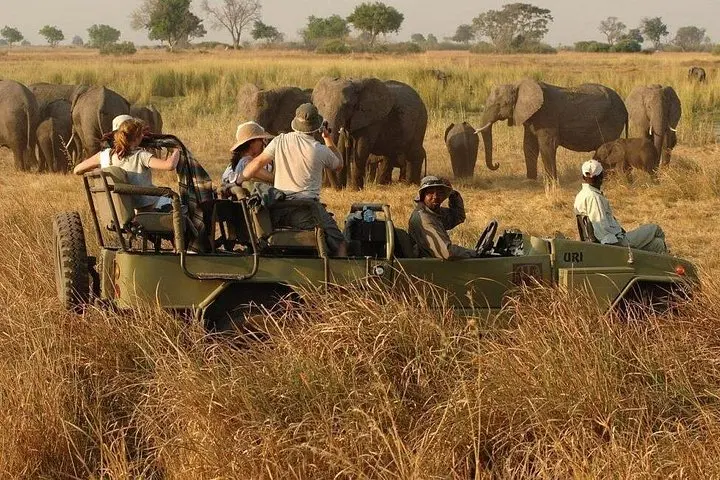
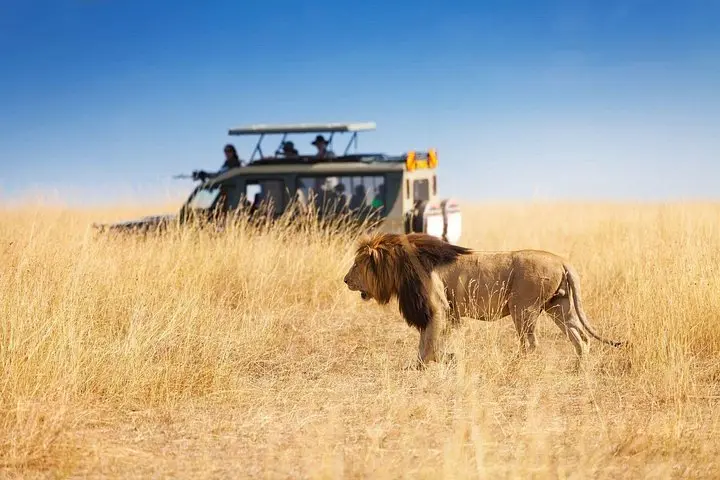
On a half-day drive visitors move through open savannahs, acacia-lined waterholes and low, scrubby hills. Expect concentrated wildlife viewing: resident herds, territorial lions, and the rhino populations that drew international conservation attention. Birdlife fills the air along quieter river corridors; the landscape’s geology shapes the grazing patterns and predator ambush points you’ll watch with a guide’s commentary.
Practically, plan for early starts and variable light; mornings and late afternoons are best for sightings. The tour is vehicle-based and wheelchair accessible, with a short lunch break before return to Richards Bay. Bring binoculars, sun protection and a camera with a long lens; keep moving slowly, listen to the guide, and avoid sudden noises around feeding or resting animals.
This half-day drive pairs high-density wildlife chances with conservation context, making it a compact safari that balances close encounters and responsible viewing.
The tour departs Richards Bay early and the full experience, including transfers and game drive, runs about 6–7 hours total.
Guides aim to visit areas with frequent sightings, but wildlife is not guaranteed; the reserve does have strong populations of the Big Five, especially rhino and elephant.
Yes — the tour is suitable for families and is wheelchair accessible, but children may be required to sit on laps and some vehicle steps are involved.
Cameras are welcome but drones are prohibited. Keep quiet and follow the guide’s directions to avoid stressing animals.
African Tournet Tours operates guided outdoor trips and adventures with an emphasis on safety, stewardship, and memorable experiences.
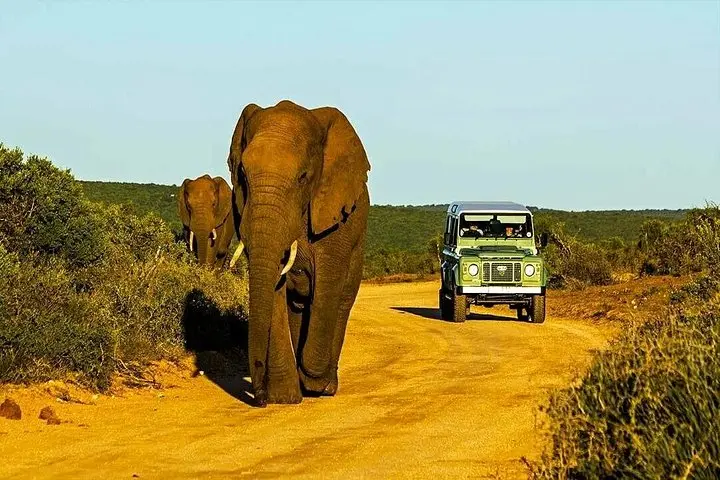
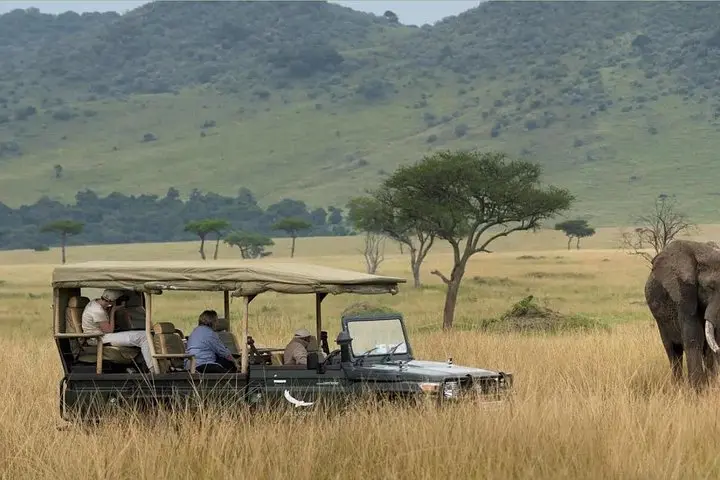
Departing Richards Bay at first light, the road cuts north into a landscape where grasses ripple like a living map and koppies rise from the savannah. The vehicle slows as the guide peers into a thicket; a bull elephant appears, deliberate and slow, rerouting the morning’s rhythm.
Departing Richards Bay at first light, the road cuts north into a landscape where grasses ripple like a living map and koppies rise from the savannah. The vehicle slows as the guide peers into a thicket; a bull elephant appears, deliberate and slow, rerouting the morning’s rhythm.
Hluhluwe-iMfolozi is one of Africa’s oldest reserves and a focal point for white rhino recovery, its rolling hills and riverine valleys forged from ancient sandstones and dolerite intrusions. Zulu settlements fringe the park, and local guides bring cultural knowledge that frames each sighting — not just what animals do, but why this land supports them.
On a half-day drive visitors move through open savannahs, acacia-lined waterholes and low, scrubby hills. Expect concentrated wildlife viewing: resident herds, territorial lions, and the rhino populations that drew international conservation attention. Birdlife fills the air along quieter river corridors; the landscape’s geology shapes the grazing patterns and predator ambush points you’ll watch with a guide’s commentary.
Practically, plan for early starts and variable light; mornings and late afternoons are best for sightings. The tour is vehicle-based and wheelchair accessible, with a short lunch break before return to Richards Bay. Bring binoculars, sun protection and a camera with a long lens; keep moving slowly, listen to the guide, and avoid sudden noises around feeding or resting animals.
This half-day drive pairs high-density wildlife chances with conservation context, making it a compact safari that balances close encounters and responsible viewing.