THE ADVENTURE COLLECTIVE® · Independent discovery and booking for outdoor travel

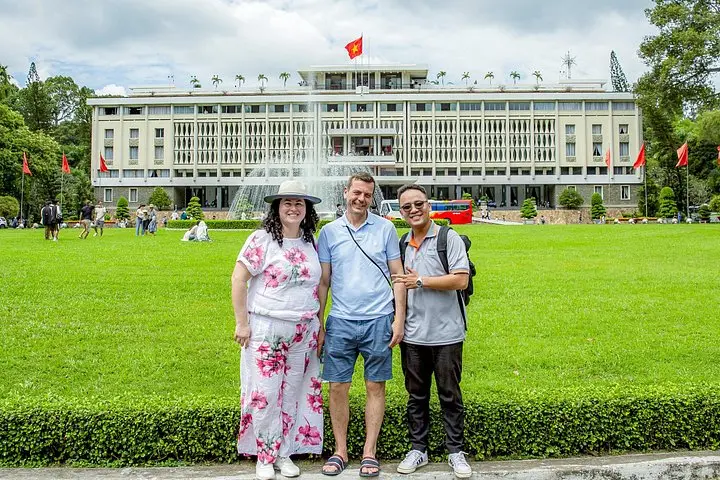
See Saigon’s defining sites in one efficient half-day: Reunification Palace, the War Remnants Museum, the colonial post office and the bustle of Bến Thành Market. Small-group format and local guides bring context to a compact, walkable itinerary.
See Saigon’s defining sites in one efficient half-day: Reunification Palace, the War Remnants Museum, the colonial post office and the bustle of Bến Thành Market. Small-group format and local guides bring context to a compact, walkable itinerary.
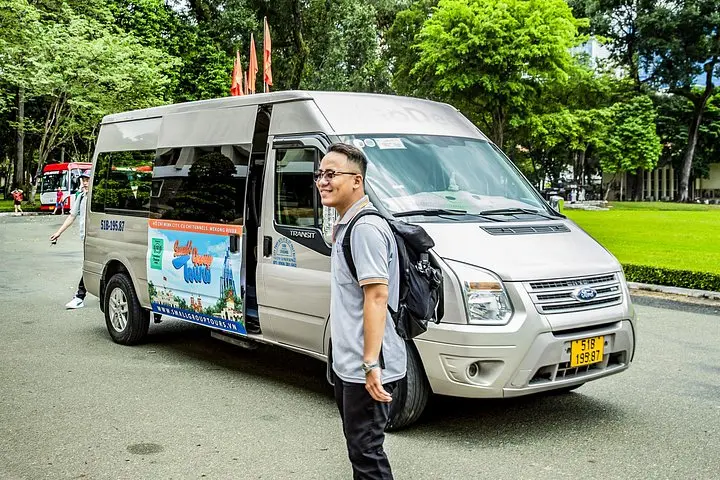
You step out of a minivan into a blur: motorbikes braid around traffic islands, exhaust and jasmine from a flower stall mix in the air, and a guide’s voice cuts through the city hum as you approach a pink, mid-century government building.
Verified experiences and guided adventures in the surrounding area.
Operated by Asiana Link Travel · Ho Chi Minh City, Ho Chi Minh
You step out of a minivan into a blur: motorbikes braid around traffic islands, exhaust and jasmine from a flower stall mix in the air, and a guide’s voice cuts through the city hum as you approach a pink, mid-century government building.
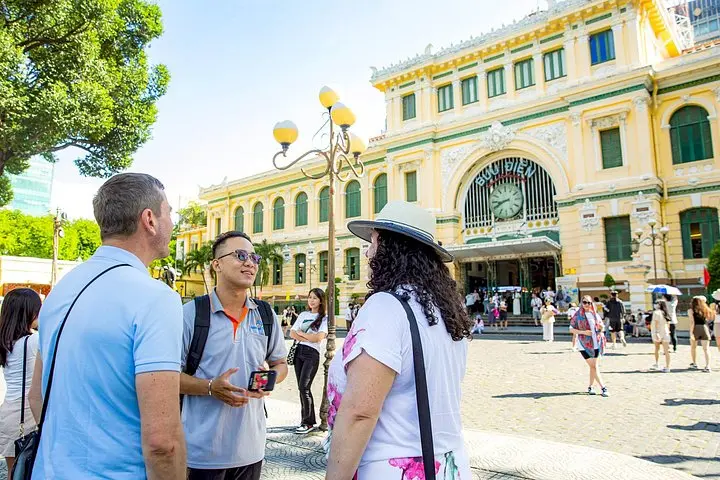
This compact half-day tour threads together Saigon’s most consequential sites: Reunification Palace, where the city’s modern political drama collapsed in 1975; the War Remnants Museum, blunt and unvarnished in its portrayal of the Vietnam War; the French-built Central Post Office with its arched ceilings; and the busy stalls of Bến Thành Market. The route follows District 1 streets carved from the city’s colonial past and later rewired by rapid economic growth — geology hardly shifts here, but the Saigon River shaped trade routes and the dense, flat delta encouraged the tight grid of alleys and markets.
Expect brisk, mostly flat walking between stops with short indoor museum visits and a pass-by of Notre-Dame Cathedral (currently under renovation). A local guide provides historical context — French colonization from 1859, mid-20th-century conflicts, and the city’s reinvention — and points out cultural details: lacquerwork shops, coffee stalls, and pagoda etiquette.
Practical guidance: wear breathable shoes and sun protection, carry a refillable bottle (one small bottle is provided), and bring small bills for market purchases. Aim for the morning slot to avoid the hottest hour and to see market life at its liveliest. The small-group format (up to 12) keeps transitions swift; be ready for narrow sidewalks, sudden crosswalks, and the city’s quick pulse.
Admission to Reunification Palace and the War Remnants Museum and the Central Post Office visits are included per itinerary; some sites like Notre-Dame are viewed from outside when under renovation.
Yes — pickup and drop-off are provided for hotels in Districts 1, 3 and 4; confirm your pick-up point at booking and be ready at the specified time.
Infants are allowed but must sit on an adult’s lap; stroller access is manageable but expect some tight sidewalks and short stairways at certain stops.
Walking is moderate and mostly on flat city streets between stops; the tour is rated easy and suitable for most participants.
Asiana Link Travel operates guided outdoor trips and adventures with an emphasis on safety, stewardship, and memorable experiences.
You step out of a minivan into a blur: motorbikes braid around traffic islands, exhaust and jasmine from a flower stall mix in the air, and a guide’s voice cuts through the city hum as you approach a pink, mid-century government building.
You step out of a minivan into a blur: motorbikes braid around traffic islands, exhaust and jasmine from a flower stall mix in the air, and a guide’s voice cuts through the city hum as you approach a pink, mid-century government building.
This compact half-day tour threads together Saigon’s most consequential sites: Reunification Palace, where the city’s modern political drama collapsed in 1975; the War Remnants Museum, blunt and unvarnished in its portrayal of the Vietnam War; the French-built Central Post Office with its arched ceilings; and the busy stalls of Bến Thành Market. The route follows District 1 streets carved from the city’s colonial past and later rewired by rapid economic growth — geology hardly shifts here, but the Saigon River shaped trade routes and the dense, flat delta encouraged the tight grid of alleys and markets.
Expect brisk, mostly flat walking between stops with short indoor museum visits and a pass-by of Notre-Dame Cathedral (currently under renovation). A local guide provides historical context — French colonization from 1859, mid-20th-century conflicts, and the city’s reinvention — and points out cultural details: lacquerwork shops, coffee stalls, and pagoda etiquette.
Practical guidance: wear breathable shoes and sun protection, carry a refillable bottle (one small bottle is provided), and bring small bills for market purchases. Aim for the morning slot to avoid the hottest hour and to see market life at its liveliest. The small-group format (up to 12) keeps transitions swift; be ready for narrow sidewalks, sudden crosswalks, and the city’s quick pulse.