THE ADVENTURE COLLECTIVE® · Independent discovery and booking for outdoor travel

Sail the Strait of Magellan to Magdalena Island for close-up views of Magellanic penguins and an old lighthouse viewpoint. This half-day trip from Punta Arenas offers focused wildlife viewing, straightforward terrain, and clear conservation rules.
Sail the Strait of Magellan to Magdalena Island for close-up views of Magellanic penguins and an old lighthouse viewpoint. This half-day trip from Punta Arenas offers focused wildlife viewing, straightforward terrain, and clear conservation rules.
The hull cuts the cold Magellan Strait and the wind pushes the vessel toward a low, rocky island where thousands of tuxedoed shapes crowd the shore. Stepping ashore at Isla Magdalena feels like arriving at a theatre where the cast—Magellanic penguins—move with brisk, comical purpose. The lighthouse perches like an old watchman; the ocean keeps time with a steady, salt-scented pulse.
Verified experiences and guided adventures in the surrounding area.
Operated by Anclatourchile · Punta Arenas, Magallanes
The hull cuts the cold Magellan Strait and the wind pushes the vessel toward a low, rocky island where thousands of tuxedoed shapes crowd the shore. Stepping ashore at Isla Magdalena feels like arriving at a theatre where the cast—Magellanic penguins—move with brisk, comical purpose. The lighthouse perches like an old watchman; the ocean keeps time with a steady, salt-scented pulse.
Geologically the island is wind-sculpted sandstone and gravel, shaped by currents that carved the Strait of Magellan over millennia. Historically it served as a navigation point for sailors threading between the Atlantic and Pacific; today it’s part of Los Pingüinos Natural Monument, protected to conserve breeding colonies and coastal flora. Local guides weave natural history and conservation into the visit, explaining nesting cycles and how human activity is managed here.
Practically, this half-day outing from Punta Arenas is short and focused: about 90 minutes on the island, enough to walk boardwalks, reach the old lighthouse viewpoint, and observe colonies numbering in the tens of thousands during peak season (October–March). Expect uneven gravel paths, cold winds, and close wildlife views from regulated distances. Bring windproof layers, waterproof footwear, and binoculars; allow time for seasickness prevention if you’re sensitive. Tours typically include pier pickup and return, a professional guide, and a short boat crossing with photo opportunities of the strait. Respect signage and fenced routes—wildlife protection here is strict, and the experience is best when visitors leave no trace.
October through March is breeding season and the best time to see large numbers of Magellanic penguins on Isla Magdalena.
Yes—photos are allowed but stay on the boardwalks and use a zoom lens rather than approaching birds to avoid disturbance.
Yes; the visit is described as physically easy, with short boardwalks, but families should supervise children near fences and watch for wind and cold.
Operators may cancel due to unsafe sea conditions; cancellation policies often allow refunds or rescheduling if the crossing is called off.
Anclatourchile operates guided outdoor trips and adventures with an emphasis on safety, stewardship, and memorable experiences.
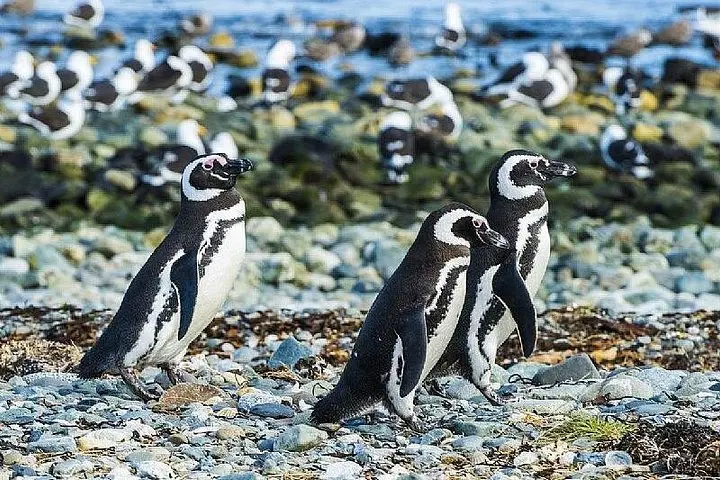
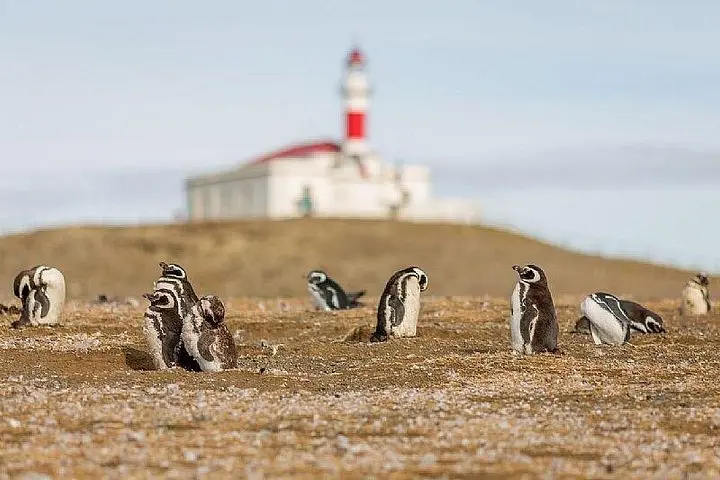
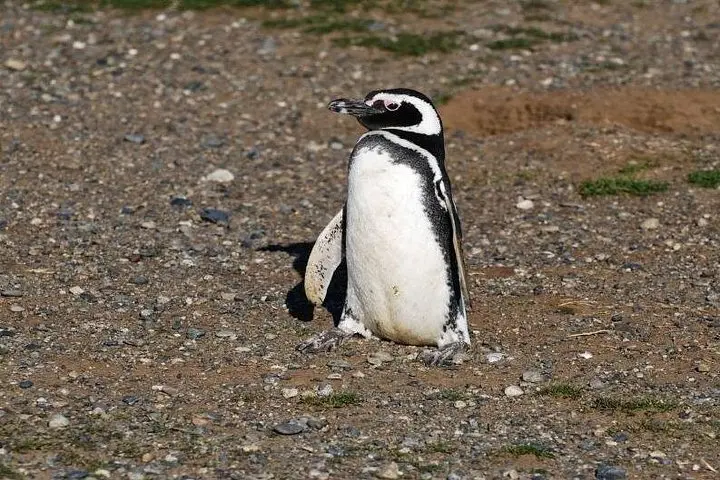
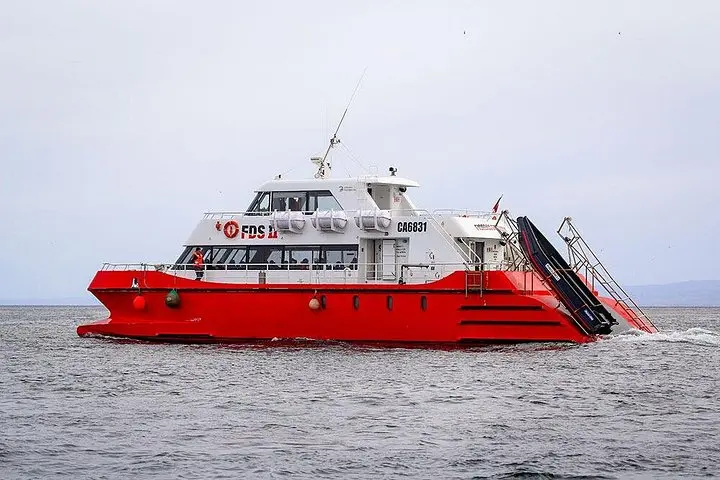
The hull cuts the cold Magellan Strait and the wind pushes the vessel toward a low, rocky island where thousands of tuxedoed shapes crowd the shore. Stepping ashore at Isla Magdalena feels like arriving at a theatre where the cast—Magellanic penguins—move with brisk, comical purpose. The lighthouse perches like an old watchman; the ocean keeps time with a steady, salt-scented pulse.
The hull cuts the cold Magellan Strait and the wind pushes the vessel toward a low, rocky island where thousands of tuxedoed shapes crowd the shore. Stepping ashore at Isla Magdalena feels like arriving at a theatre where the cast—Magellanic penguins—move with brisk, comical purpose. The lighthouse perches like an old watchman; the ocean keeps time with a steady, salt-scented pulse.
Geologically the island is wind-sculpted sandstone and gravel, shaped by currents that carved the Strait of Magellan over millennia. Historically it served as a navigation point for sailors threading between the Atlantic and Pacific; today it’s part of Los Pingüinos Natural Monument, protected to conserve breeding colonies and coastal flora. Local guides weave natural history and conservation into the visit, explaining nesting cycles and how human activity is managed here.
Practically, this half-day outing from Punta Arenas is short and focused: about 90 minutes on the island, enough to walk boardwalks, reach the old lighthouse viewpoint, and observe colonies numbering in the tens of thousands during peak season (October–March). Expect uneven gravel paths, cold winds, and close wildlife views from regulated distances. Bring windproof layers, waterproof footwear, and binoculars; allow time for seasickness prevention if you’re sensitive. Tours typically include pier pickup and return, a professional guide, and a short boat crossing with photo opportunities of the strait. Respect signage and fenced routes—wildlife protection here is strict, and the experience is best when visitors leave no trace.