THE ADVENTURE COLLECTIVE® · Independent discovery and booking for outdoor travel

A focused three-hour walk through central Seoul that pairs palace pageantry with temple calm. Ideal for first-time visitors who want a compact, well-guided introduction to Joseon-era history and contemporary civic exhibits.
A focused three-hour walk through central Seoul that pairs palace pageantry with temple calm. Ideal for first-time visitors who want a compact, well-guided introduction to Joseon-era history and contemporary civic exhibits.
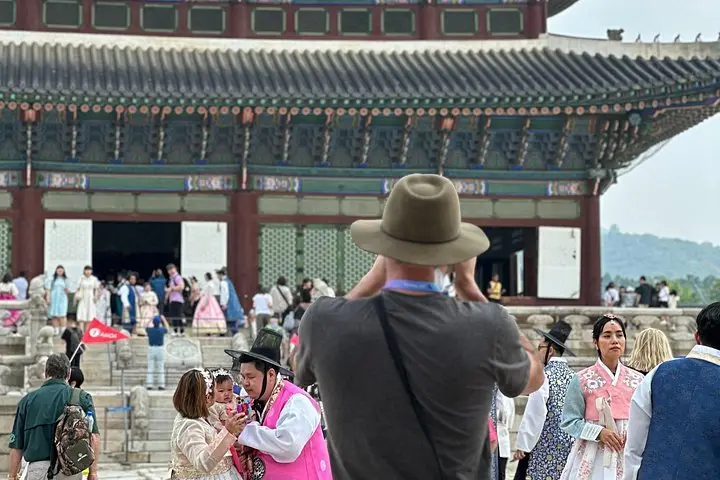
Stand at Gwanghwamun Gate as color-clad guards march a measured patrol; the city hums behind you while centuries of palace stones hold the quiet of protocol and power.
Verified experiences and guided adventures in the surrounding area.
Operated by VIP TRAVEL Co.Ltd · Seoul, Seoul
Stand at Gwanghwamun Gate as color-clad guards march a measured patrol; the city hums behind you while centuries of palace stones hold the quiet of protocol and power.
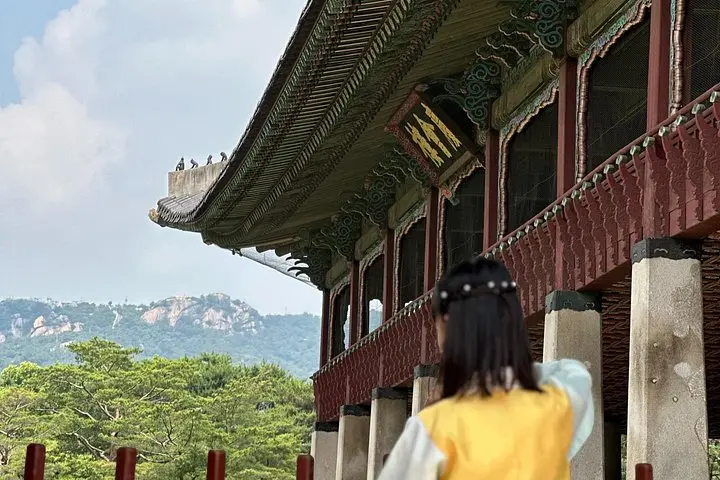
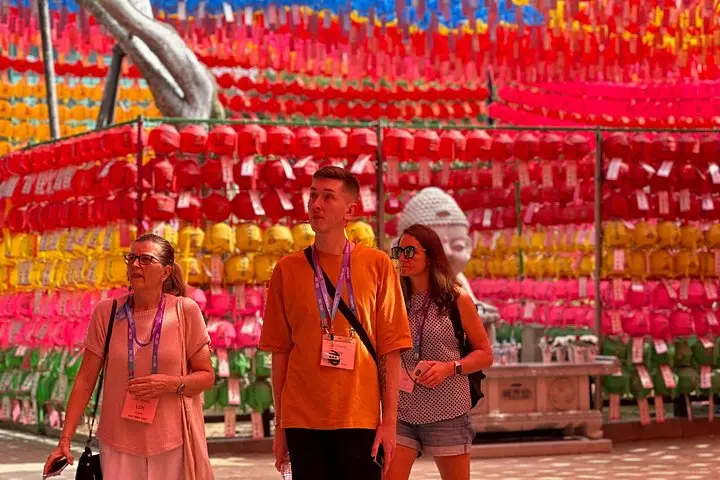
This half-day route threads three concise cultural stops: the formal courtyards of Gyeongbokgung (or Changdeokgung on Tuesdays), the contemplative rooms of Jogyesa Buddhist Temple, and Cheongwadae Sarangchae’s compact civic exhibits. Expect wide stone plazas, lacquered wooden pavilions, and the sudden stillness of a temple courtyard punctuated by incense and bell. The palace’s main halls—Geunjeongjeon and Gyeonghoeru—tell the story of the Joseon dynasty: royal ceremony, reconstruction after the Imjin War, and modern restoration following 20th-century losses.
Geology here is urban fabric—granite foundations cut into low hills—while culture sits in plain view: palace rituals staged for visitors, stalls selling ginseng extracts, and nearby hanok alleys where low eaves lean close to the street.
Practical guidance: the tour runs about three hours at an easy pace; bring comfortable walking shoes, modest clothing for temple visits, and a charged camera. Gyeongbokgung is closed on Tuesdays—Changdeokgung is the usual swap—so confirm the daily program. Seoul’s subway (Gyeongbokgung Station, Line 3) puts you within a short walk; allow extra time for the gate-changing ceremony if you want front-row views. Hydrate, carry a small local cash amount for souvenirs, and leave large backpacks at your hotel or the palace lockers. This itinerary is family-friendly and language-supported with English or Chinese guides—concise, culturally dense, and ideal for first-time Seoul visitors seeking a grounded introduction to Korea’s royal and spiritual landmarks.
Yes—admission is included for the palace and Cheongwadae Sarangchae; some stops like markets are self-guided and free to browse.
Guides are provided in English or Chinese according to the listing; confirm your language preference at booking.
If Gyeongbokgung is closed (commonly on Tuesdays), the itinerary substitutes Changdeokgung Palace or another comparable site—your operator will confirm ahead of departure.
Yes—infants and small children are accommodated and strollers are generally usable on flat sections, but some halls and stairs may require carrying a stroller briefly.
VIP TRAVEL Co.Ltd operates guided outdoor trips and adventures with an emphasis on safety, stewardship, and memorable experiences.
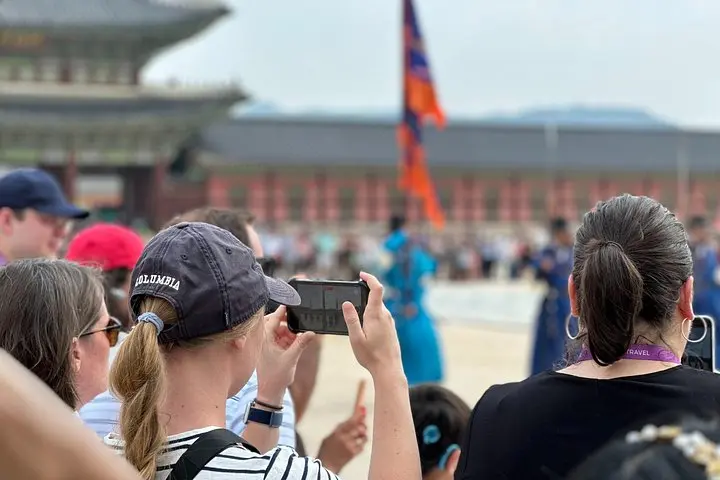
Stand at Gwanghwamun Gate as color-clad guards march a measured patrol; the city hums behind you while centuries of palace stones hold the quiet of protocol and power.
Stand at Gwanghwamun Gate as color-clad guards march a measured patrol; the city hums behind you while centuries of palace stones hold the quiet of protocol and power.
This half-day route threads three concise cultural stops: the formal courtyards of Gyeongbokgung (or Changdeokgung on Tuesdays), the contemplative rooms of Jogyesa Buddhist Temple, and Cheongwadae Sarangchae’s compact civic exhibits. Expect wide stone plazas, lacquered wooden pavilions, and the sudden stillness of a temple courtyard punctuated by incense and bell. The palace’s main halls—Geunjeongjeon and Gyeonghoeru—tell the story of the Joseon dynasty: royal ceremony, reconstruction after the Imjin War, and modern restoration following 20th-century losses.
Geology here is urban fabric—granite foundations cut into low hills—while culture sits in plain view: palace rituals staged for visitors, stalls selling ginseng extracts, and nearby hanok alleys where low eaves lean close to the street.
Practical guidance: the tour runs about three hours at an easy pace; bring comfortable walking shoes, modest clothing for temple visits, and a charged camera. Gyeongbokgung is closed on Tuesdays—Changdeokgung is the usual swap—so confirm the daily program. Seoul’s subway (Gyeongbokgung Station, Line 3) puts you within a short walk; allow extra time for the gate-changing ceremony if you want front-row views. Hydrate, carry a small local cash amount for souvenirs, and leave large backpacks at your hotel or the palace lockers. This itinerary is family-friendly and language-supported with English or Chinese guides—concise, culturally dense, and ideal for first-time Seoul visitors seeking a grounded introduction to Korea’s royal and spiritual landmarks.