
Half-Day Seoul Morning Tour: Gyeongbokgung, Jogyesa & Ginseng Tasting
Experience Seoul’s historic core in a concise morning loop: Zen at Jogyesa, the royal spectacle at Gwanghwamun, and the broad courtyards of Gyeongbokgung—finished with a cultural stop for ginseng tasting. This compact tour pairs history with practical local insights.
An Adventure In Seoul.
Experience Seoul’s historic core in a concise morning loop: Zen at Jogyesa, the royal spectacle at Gwanghwamun, and the broad courtyards of Gyeongbokgung—finished with a cultural stop for ginseng tasting. This compact tour pairs history with practical local insights.
Read the full experience
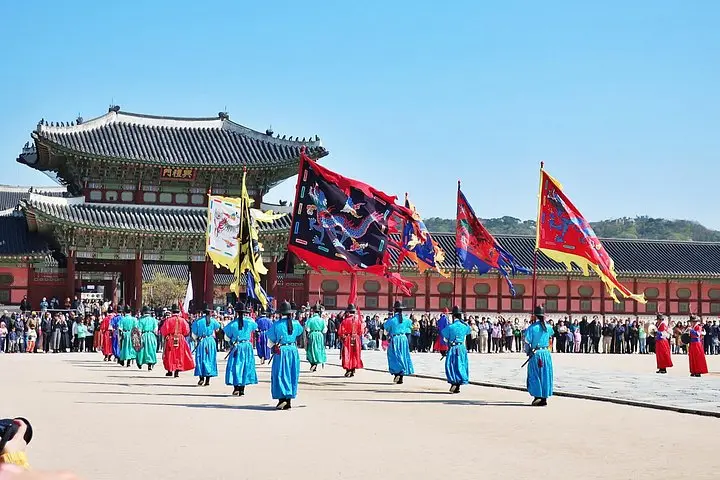
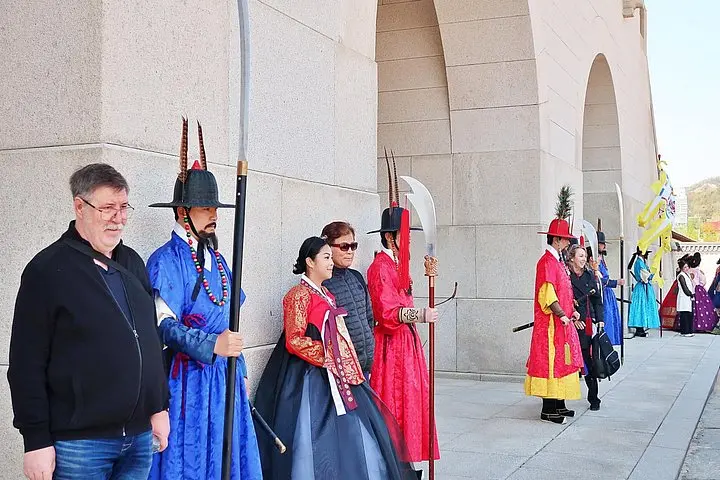
Stepping off a downtown hotel shuttle, the city opens like a living map: narrow alleys give way to the wide plaza of Gwanghwamun, where the royal guard-changing ceremony punctuates the morning air. The tour moves at a steady, human pace—first into the calm of Jogyesa Temple, then past the Blue House’s guarded façade, and finally into the broad courtyards of Gyeongbokgung Palace.
Stepping off a downtown hotel shuttle, the city opens like a living map: narrow alleys give way to the wide plaza of Gwanghwamun, where the royal guard-changing ceremony punctuates the morning air. The tour moves at a steady, human pace—first into the calm of Jogyesa Temple, then past the Blue House’s guarded façade, and finally into the broad courtyards of Gyeongbokgung Palace.
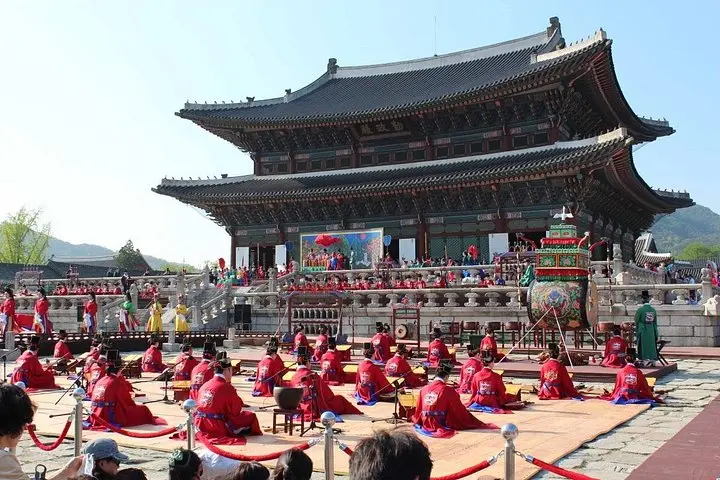
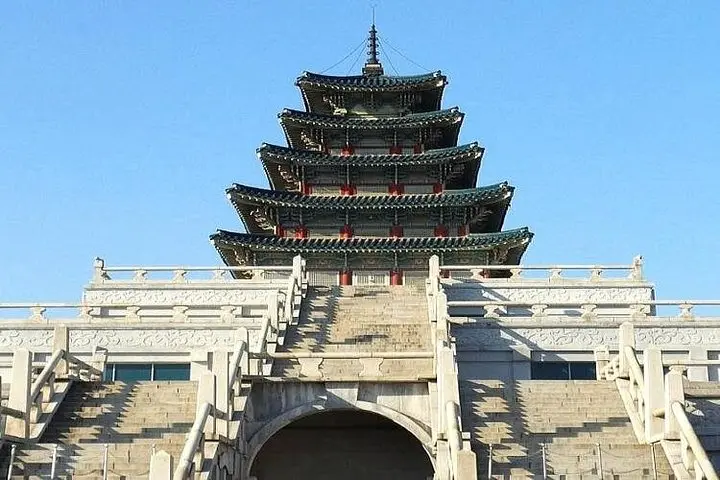
Gyeongbokgung began in 1395 as the main palace of the Joseon Dynasty; its wooden halls and painted bracketwork reflect centuries of court life and restoration after war and occupation. Nearby, the National Folk Museum frames everyday Korean history—from traditional rice farming to on-the-street crafts—while Insadong and a government-approved ginseng center expose a living culture of tastes and remedies.
Geology here is urban: granite hills frame valleys that guided Seoul’s early settlement; the city’s layout still follows those ridgelines. Culturally, you’ll see Confucian court formality intersecting with modern Seoul’s commerce—street vendors, historic alleys and curated museum displays in a compact radius.
Practical guidance: wear comfortable walking shoes and allow 3.5 hours for the loop. Photography is encouraged at public sites, but follow palace rules and the guide’s directions inside museum exhibits. Note Tuesdays: if Gyeongbokgung is closed, the group visits Changdeokgung and its Secret Garden instead. Hotel pickup in central Seoul is included; groups are small (max ~15), and a moderate fitness level is helpful for walking between sights. Bring water, sun protection, and a light layer—Seoul’s weather shifts quickly.
Frequently asked questions
Yes—admission to Gyeongbokgung Palace and the National Folk Museum is included as stated in the itinerary.
The tour requires a minimum of four participants; if the minimum isn’t met the operator may cancel and notify you per their policy.
On Tuesdays the tour substitutes Changdeokgung Palace and its Secret Garden (Huwon), which are slightly more extensive walking experiences.
Hotel pickup is included for central Seoul hotels; you’ll select a pickup point during booking.
About This Experience
Seoul N Tour operates guided outdoor trips and adventures with an emphasis on safety, stewardship, and memorable experiences.
Adventure tips
Recommended gear
- Comfortable walking shoes: Sturdy shoes are useful for uneven palace pathways and urban sidewalks.
- Reusable water bottle: Reduces waste and keeps you hydrated between bottled-water stops.
- Light, layered jacket: Spring mornings can be cool; layering helps as temperatures rise.
- Compact umbrella or sunshade: Summer brings sudden rain and strong sun—pack protection for both.
Photos of the experience
Related adventures & guides
Read the full experience
Stepping off a downtown hotel shuttle, the city opens like a living map: narrow alleys give way to the wide plaza of Gwanghwamun, where the royal guard-changing ceremony punctuates the morning air. The tour moves at a steady, human pace—first into the calm of Jogyesa Temple, then past the Blue House’s guarded façade, and finally into the broad courtyards of Gyeongbokgung Palace.
Stepping off a downtown hotel shuttle, the city opens like a living map: narrow alleys give way to the wide plaza of Gwanghwamun, where the royal guard-changing ceremony punctuates the morning air. The tour moves at a steady, human pace—first into the calm of Jogyesa Temple, then past the Blue House’s guarded façade, and finally into the broad courtyards of Gyeongbokgung Palace.
Gyeongbokgung began in 1395 as the main palace of the Joseon Dynasty; its wooden halls and painted bracketwork reflect centuries of court life and restoration after war and occupation. Nearby, the National Folk Museum frames everyday Korean history—from traditional rice farming to on-the-street crafts—while Insadong and a government-approved ginseng center expose a living culture of tastes and remedies.
Geology here is urban: granite hills frame valleys that guided Seoul’s early settlement; the city’s layout still follows those ridgelines. Culturally, you’ll see Confucian court formality intersecting with modern Seoul’s commerce—street vendors, historic alleys and curated museum displays in a compact radius.
Practical guidance: wear comfortable walking shoes and allow 3.5 hours for the loop. Photography is encouraged at public sites, but follow palace rules and the guide’s directions inside museum exhibits. Note Tuesdays: if Gyeongbokgung is closed, the group visits Changdeokgung and its Secret Garden instead. Hotel pickup in central Seoul is included; groups are small (max ~15), and a moderate fitness level is helpful for walking between sights. Bring water, sun protection, and a light layer—Seoul’s weather shifts quickly.
Make a day of it nearby.
Verified experiences and guided adventures in the surrounding area.