THE ADVENTURE COLLECTIVE® · Independent discovery and booking for outdoor travel

Breathe in cinnamon and clove—this half-day spice farm tour from Stone Town brings you face-to-leaf with Zanzibar’s botanical heritage. Expect tasting demos, a guided walk through spice beds, and practical tips for buying fresh spices.
Breathe in cinnamon and clove—this half-day spice farm tour from Stone Town brings you face-to-leaf with Zanzibar’s botanical heritage. Expect tasting demos, a guided walk through spice beds, and practical tips for buying fresh spices.
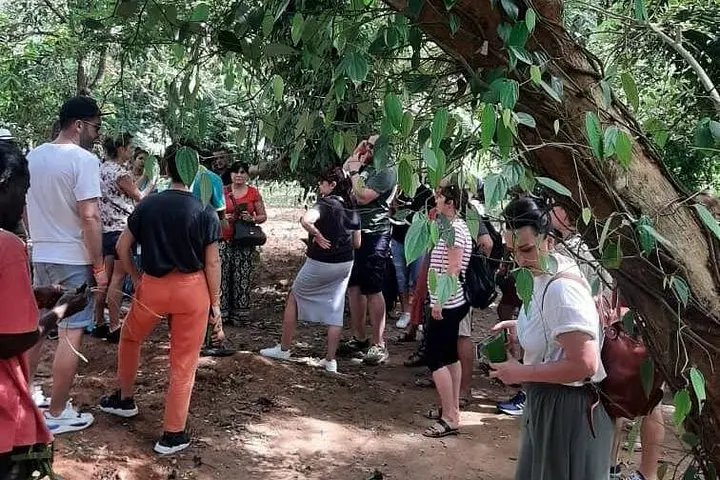
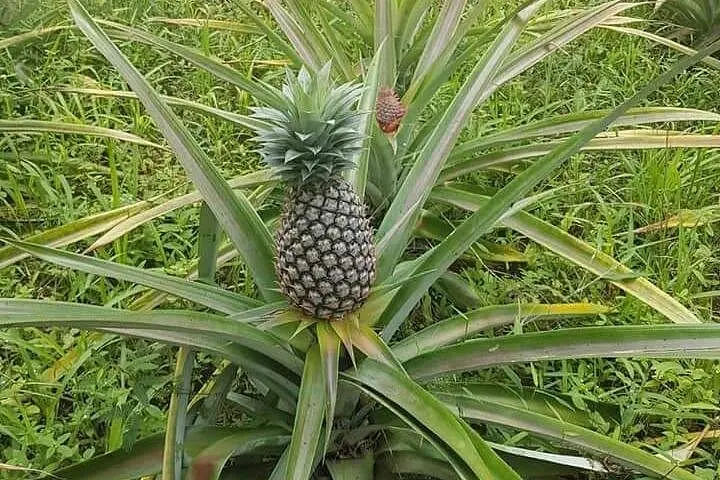
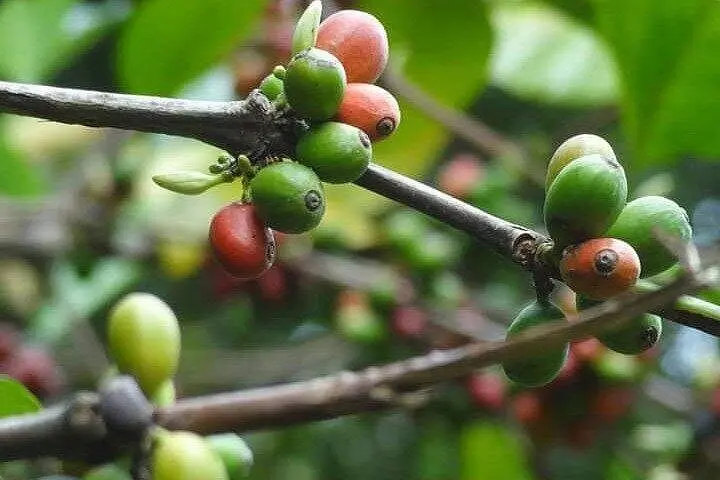
You step off the shaded vehicle and the air hits you—warm, humid, threaded with cinnamon bark and the sharp perfume of cloves. A guide clips a branch, and a single spice leaf releases a scent that seems to compress the island's history into a single breath. Paths wind through orderly beds of turmeric, papaya trees heavy with fruit, and clove trees that have anchored Zanzibar’s economy for two centuries.
Verified experiences and guided adventures in the surrounding area.
Operated by Zanzibar Tour Guide Francophone/Anglophone · Stone Town, Zanzibar
You step off the shaded vehicle and the air hits you—warm, humid, threaded with cinnamon bark and the sharp perfume of cloves. A guide clips a branch, and a single spice leaf releases a scent that seems to compress the island's history into a single breath. Paths wind through orderly beds of turmeric, papaya trees heavy with fruit, and clove trees that have anchored Zanzibar’s economy for two centuries.
Zanzibar’s spice trade reshaped the Indian Ocean world; in the 19th century cloves and nutmeg turned this coastline into a global node, drawing Omani merchants and Swahili islanders into shared markets. Underneath is coral rag and sandy loam; the soil is thin but warmed by the equatorial sun, ideal for aromatic shrubs rather than large timber. Cultural traces are visible everywhere: Swahili household uses, Omani-influenced recipes, and family farms that pass techniques down generations.
On a half-day tour expect 3–5 hours of gentle walking, guided demonstrations—tasting raw vanilla, squeezing fresh coconut, watching a climber scale a palm—and a stop at a small spice shop if you want to buy whole cloves or cinnamon bark. Terrain is mostly flat, shaded by canopy; surfaces can be uneven after rain.
Practical guidance: go early to avoid midday heat, bring mosquito repellent and comfortable closed-toe shoes, and carry local currency for small purchases. The tour is wheelchair-accessible in many farms but check pickup logistics in Stone Town. Treat samples and sellers with respect—these are working farms and family businesses—and you’ll leave with sharper senses and a better understanding of why Zanzibar still calls itself the Spice Islands.
The tour runs approximately 3–5 hours depending on pickup location and group pace.
Yes—many farms are family-friendly; infants can be in strollers but check pickup vehicle space and bring sun protection.
Yes, most tours include a stop at a spice shop where you can buy whole spices, oils, and prepared mixes—bring cash for small vendors.
Many farms advertise wheelchair-accessible areas and accessible transport, but confirm accessibility details and pickup requirements when booking.
Zanzibar Tour Guide Francophone/Anglophone operates guided outdoor trips and adventures with an emphasis on safety, stewardship, and memorable experiences.

You step off the shaded vehicle and the air hits you—warm, humid, threaded with cinnamon bark and the sharp perfume of cloves. A guide clips a branch, and a single spice leaf releases a scent that seems to compress the island's history into a single breath. Paths wind through orderly beds of turmeric, papaya trees heavy with fruit, and clove trees that have anchored Zanzibar’s economy for two centuries.
You step off the shaded vehicle and the air hits you—warm, humid, threaded with cinnamon bark and the sharp perfume of cloves. A guide clips a branch, and a single spice leaf releases a scent that seems to compress the island's history into a single breath. Paths wind through orderly beds of turmeric, papaya trees heavy with fruit, and clove trees that have anchored Zanzibar’s economy for two centuries.
Zanzibar’s spice trade reshaped the Indian Ocean world; in the 19th century cloves and nutmeg turned this coastline into a global node, drawing Omani merchants and Swahili islanders into shared markets. Underneath is coral rag and sandy loam; the soil is thin but warmed by the equatorial sun, ideal for aromatic shrubs rather than large timber. Cultural traces are visible everywhere: Swahili household uses, Omani-influenced recipes, and family farms that pass techniques down generations.
On a half-day tour expect 3–5 hours of gentle walking, guided demonstrations—tasting raw vanilla, squeezing fresh coconut, watching a climber scale a palm—and a stop at a small spice shop if you want to buy whole cloves or cinnamon bark. Terrain is mostly flat, shaded by canopy; surfaces can be uneven after rain.
Practical guidance: go early to avoid midday heat, bring mosquito repellent and comfortable closed-toe shoes, and carry local currency for small purchases. The tour is wheelchair-accessible in many farms but check pickup logistics in Stone Town. Treat samples and sellers with respect—these are working farms and family businesses—and you’ll leave with sharper senses and a better understanding of why Zanzibar still calls itself the Spice Islands.