THE ADVENTURE COLLECTIVE® · Independent discovery and booking for outdoor travel

Make the most of a short stay in Xi'an with a private half-day tour to the Terracotta Army. Walk among life-sized warriors, learn Qin Dynasty history, and see conservation efforts up close.
Make the most of a short stay in Xi'an with a private half-day tour to the Terracotta Army. Walk among life-sized warriors, learn Qin Dynasty history, and see conservation efforts up close.
You step out of the van into a low-slung museum shed and the air seems to hold history: ranks of life-sized figures frozen mid-stance, eyes set on an empire long gone. Light from high clerestory windows falls across rows of clay helmets and the hard, deliberate faces of soldiers; the guide’s voice threads context into the quiet—this is where 2,200 years of imperial ambition meet modern archaeology.
Verified experiences and guided adventures in the surrounding area.
Operated by Stefanie's XiAn Private Tour · Xi'an, Shaanxi
You step out of the van into a low-slung museum shed and the air seems to hold history: ranks of life-sized figures frozen mid-stance, eyes set on an empire long gone. Light from high clerestory windows falls across rows of clay helmets and the hard, deliberate faces of soldiers; the guide’s voice threads context into the quiet—this is where 2,200 years of imperial ambition meet modern archaeology.
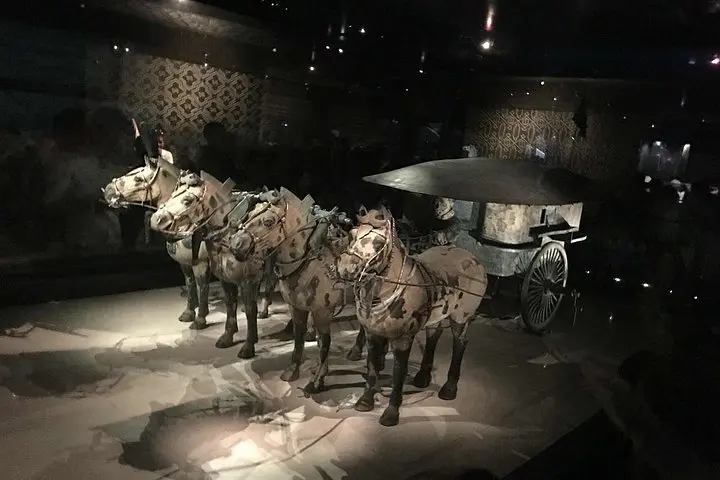
Discovered by farmers in 1974, the Terracotta Army is part of the vast mausoleum complex of Qin Shi Huang, China’s first emperor. The site sits on the loess-plains northeast of Xi'an, where soft sediments preserved the kiln-fired figures and where a buried tomb mound still fuels debate—some researchers point to mercury traces inside the tomb. The museum presents three main pits, a museum hall with bronze chariots, and visible conservation labs where technicians work to stabilize painted surfaces.
Practically speaking, the site is about a 45–60 minute drive from central Xi'an. Expect about three hours on-site: walking across viewing platforms, standing at interpretive displays, and time in the main exhibition hall. The museum limits climate interventions to protect pigments, so indoor temperatures can feel natural.
Bring comfortable shoes for uneven platforms, a light layer for variable indoor temperatures, and your camera but obey no-flash rules. Visit early in the morning to avoid crowds; if you’re on a private tour with hotel pickup, confirm entrance-fee arrangements ahead of time. Follow the guide’s directions around conservation zones and enjoy a close-up of one of archaeology’s most compelling legacies.
This private tour typically includes pickup and drop-off from central Xi'an hotels—confirm your exact pickup point when booking.
Some tour listings include museum admission while others do not; this particular itinerary indicates admission is not included—verify at booking.
Photography is generally allowed but flash is often prohibited and certain conservation areas may restrict images—follow posted rules and your guide’s instructions.
The museum has viewing platforms and some ramps, but parts of the site have uneven terrain; check with the operator for detailed accessibility accommodations.
Stefanie's XiAn Private Tour operates guided outdoor trips and adventures with an emphasis on safety, stewardship, and memorable experiences.

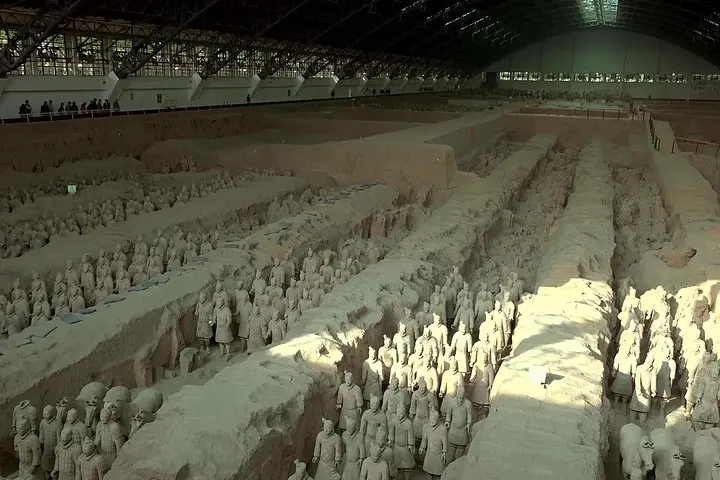
You step out of the van into a low-slung museum shed and the air seems to hold history: ranks of life-sized figures frozen mid-stance, eyes set on an empire long gone. Light from high clerestory windows falls across rows of clay helmets and the hard, deliberate faces of soldiers; the guide’s voice threads context into the quiet—this is where 2,200 years of imperial ambition meet modern archaeology.
You step out of the van into a low-slung museum shed and the air seems to hold history: ranks of life-sized figures frozen mid-stance, eyes set on an empire long gone. Light from high clerestory windows falls across rows of clay helmets and the hard, deliberate faces of soldiers; the guide’s voice threads context into the quiet—this is where 2,200 years of imperial ambition meet modern archaeology.
Discovered by farmers in 1974, the Terracotta Army is part of the vast mausoleum complex of Qin Shi Huang, China’s first emperor. The site sits on the loess-plains northeast of Xi'an, where soft sediments preserved the kiln-fired figures and where a buried tomb mound still fuels debate—some researchers point to mercury traces inside the tomb. The museum presents three main pits, a museum hall with bronze chariots, and visible conservation labs where technicians work to stabilize painted surfaces.
Practically speaking, the site is about a 45–60 minute drive from central Xi'an. Expect about three hours on-site: walking across viewing platforms, standing at interpretive displays, and time in the main exhibition hall. The museum limits climate interventions to protect pigments, so indoor temperatures can feel natural.
Bring comfortable shoes for uneven platforms, a light layer for variable indoor temperatures, and your camera but obey no-flash rules. Visit early in the morning to avoid crowds; if you’re on a private tour with hotel pickup, confirm entrance-fee arrangements ahead of time. Follow the guide’s directions around conservation zones and enjoy a close-up of one of archaeology’s most compelling legacies.