THE ADVENTURE COLLECTIVE® · Independent discovery and booking for outdoor travel

Escape Rome for a half-day and follow water through two UNESCO sites: Hadrian's engineered imperial retreat and Villa d'Este's Renaissance fountains. This semi-private tour blends archaeology, garden design, and practical sightseeing from a comfortable minivan.
Escape Rome for a half-day and follow water through two UNESCO sites: Hadrian's engineered imperial retreat and Villa d'Este's Renaissance fountains. This semi-private tour blends archaeology, garden design, and practical sightseeing from a comfortable minivan.
A cool breeze off the springs meets the minivan as you crest the Tiburtini hills; the city of Tivoli opens like a relief map of stone, water, and terraces. Walking from the drop-off, fountains begin to speak—water daring you to follow the channels—while broad piazzas frame views back toward Rome.
Verified experiences and guided adventures in the surrounding area.
Operated by Welcome Italy · Tivoli, Lazio
A cool breeze off the springs meets the minivan as you crest the Tiburtini hills; the city of Tivoli opens like a relief map of stone, water, and terraces. Walking from the drop-off, fountains begin to speak—water daring you to follow the channels—while broad piazzas frame views back toward Rome.
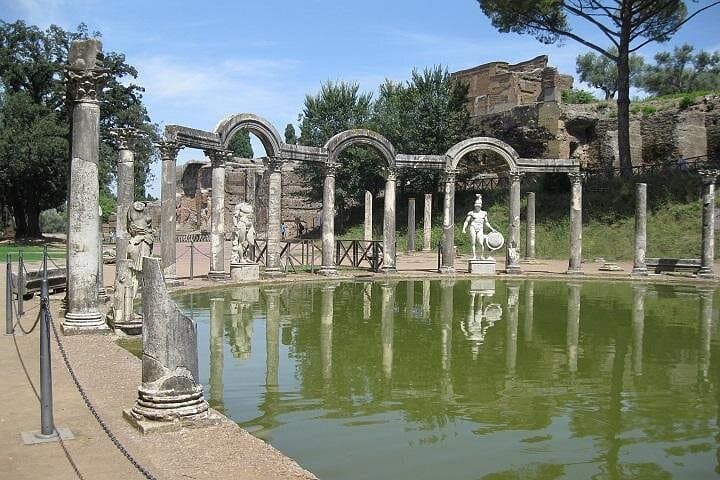
Hadrian's Villa (Villa Adriana) sprawls across low ridges: a 2nd‑century imperial complex of baths, canals, and ruined colonnades where marble fragments hint at vast engineered pools and the emperor's appetite for the Mediterranean in miniature. Geologically, Tivoli sits on travertine-rich terrain and abundant springs; the same water that carved out pools here still feeds Villa d’Este's orchestral fountains.
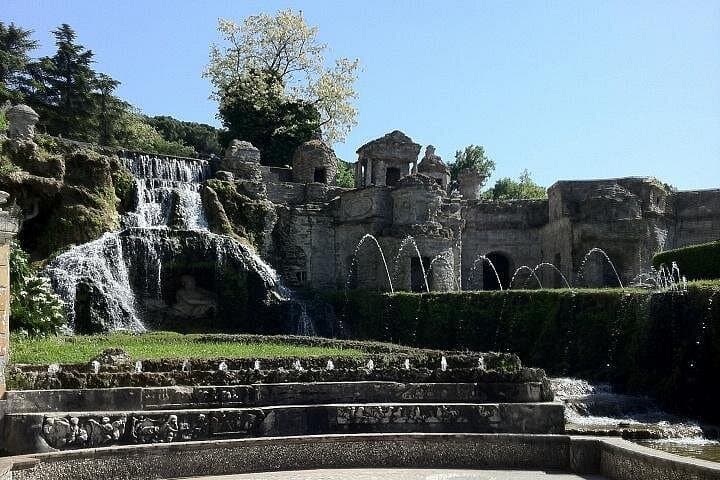
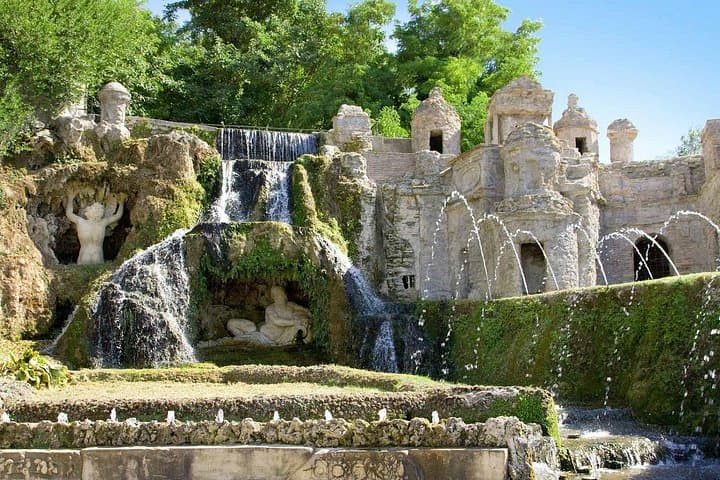
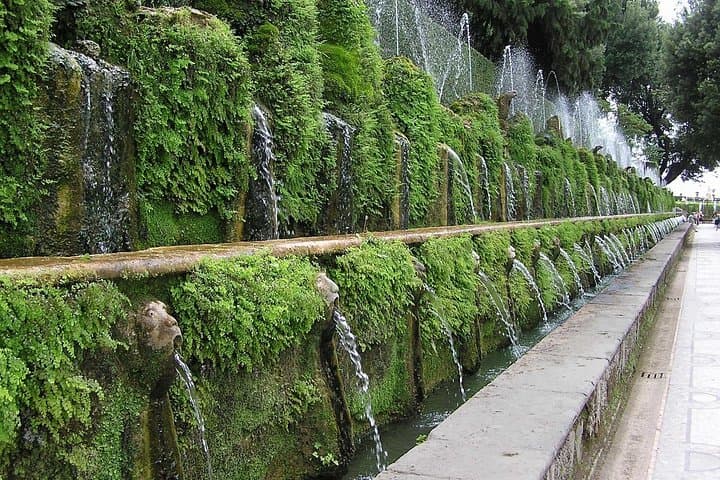
Villa d'Este arrived in the 16th century under Cardinal Ippolito II d'Este and remains a high-water mark of Renaissance garden design—terraces, cascades, and gravity-fed hydraulics that influenced gardens across Europe. The two sites together show a cultural arc from Roman imperial spectacle to Renaissance display of control over nature.
Practically: this semi-private tour runs about four hours with air-conditioned transfer from central Rome, includes admission, and covers stairs and uneven surfaces. Expect 1–2 miles of walking and multiple stair sets; comfortable shoes and a light layer make a big difference. Photography is allowed but stay behind barriers at archaeological features. Midday can be busy—early pickup helps avoid heat and crowds. Hydrate between the fountains, use the guide to place the architectural fragments into historical context, and plan for short breaks at local cafés in Tivoli after the visit.
Yes, entrance tickets to Villa Adriana and Villa d'Este are included in this tour's price.
Hotel pickup and drop-off are provided for central Rome addresses inside the Aurelian Walls; if traffic prevents direct drop-off, you'll be left close to your accommodation.
Infants can ride in a stroller for parts of the tour, but many areas have steps and uneven surfaces—infants may need to be carried and strollers folded in places.
Guides are typically professional and may offer other languages on request; confirm language availability at booking.
Welcome Italy operates guided outdoor trips and adventures with an emphasis on safety, stewardship, and memorable experiences.
A cool breeze off the springs meets the minivan as you crest the Tiburtini hills; the city of Tivoli opens like a relief map of stone, water, and terraces. Walking from the drop-off, fountains begin to speak—water daring you to follow the channels—while broad piazzas frame views back toward Rome.
A cool breeze off the springs meets the minivan as you crest the Tiburtini hills; the city of Tivoli opens like a relief map of stone, water, and terraces. Walking from the drop-off, fountains begin to speak—water daring you to follow the channels—while broad piazzas frame views back toward Rome.
Hadrian's Villa (Villa Adriana) sprawls across low ridges: a 2nd‑century imperial complex of baths, canals, and ruined colonnades where marble fragments hint at vast engineered pools and the emperor's appetite for the Mediterranean in miniature. Geologically, Tivoli sits on travertine-rich terrain and abundant springs; the same water that carved out pools here still feeds Villa d’Este's orchestral fountains.
Villa d'Este arrived in the 16th century under Cardinal Ippolito II d'Este and remains a high-water mark of Renaissance garden design—terraces, cascades, and gravity-fed hydraulics that influenced gardens across Europe. The two sites together show a cultural arc from Roman imperial spectacle to Renaissance display of control over nature.
Practically: this semi-private tour runs about four hours with air-conditioned transfer from central Rome, includes admission, and covers stairs and uneven surfaces. Expect 1–2 miles of walking and multiple stair sets; comfortable shoes and a light layer make a big difference. Photography is allowed but stay behind barriers at archaeological features. Midday can be busy—early pickup helps avoid heat and crowds. Hydrate between the fountains, use the guide to place the architectural fragments into historical context, and plan for short breaks at local cafés in Tivoli after the visit.