THE ADVENTURE COLLECTIVE® · Independent discovery and booking for outdoor travel

Step away from Addis Ababa’s bustle and into a 4th-century rock-hewn church carved from volcanic stone. This half-day tour to Washa Michael combines a short hike, quiet liturgical spaces, and visible Aksumite-era craftsmanship.
Step away from Addis Ababa’s bustle and into a 4th-century rock-hewn church carved from volcanic stone. This half-day tour to Washa Michael combines a short hike, quiet liturgical spaces, and visible Aksumite-era craftsmanship.
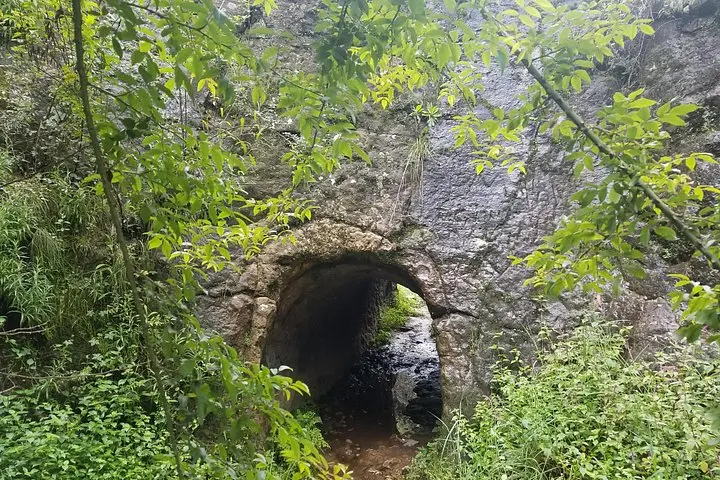
You step off the city’s flat hum and climb through sun-baked grass and iron-rich rock until the land tightens around a narrow cleft: Washa Michael, the "Cave of Michael," carved from a single volcanic outcrop. The air cools; wind threads through the opening as if the rock itself is inviting you in.
Verified experiences and guided adventures in the surrounding area.
Operated by ShebaLand Tour · Addis Ababa, Addis Ababa
You step off the city’s flat hum and climb through sun-baked grass and iron-rich rock until the land tightens around a narrow cleft: Washa Michael, the "Cave of Michael," carved from a single volcanic outcrop. The air cools; wind threads through the opening as if the rock itself is inviting you in.
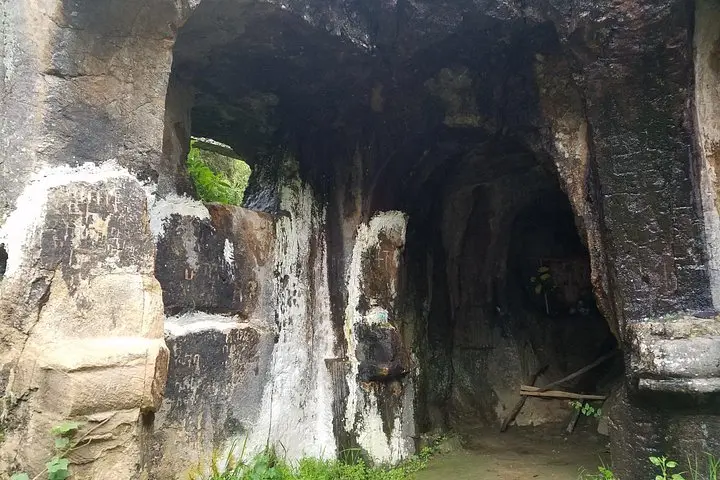
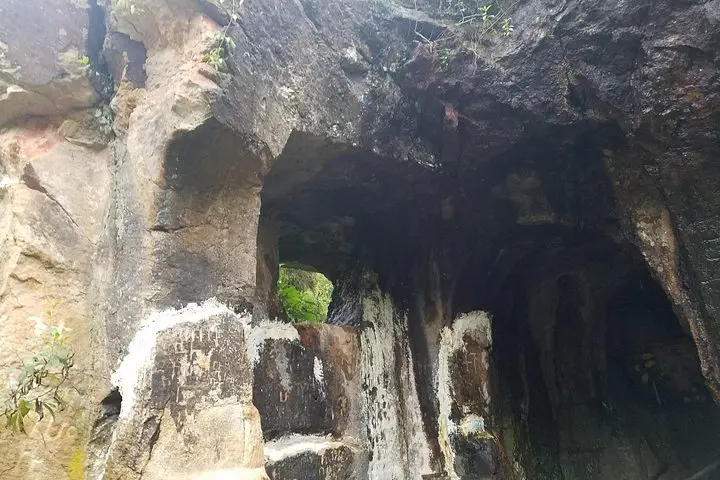
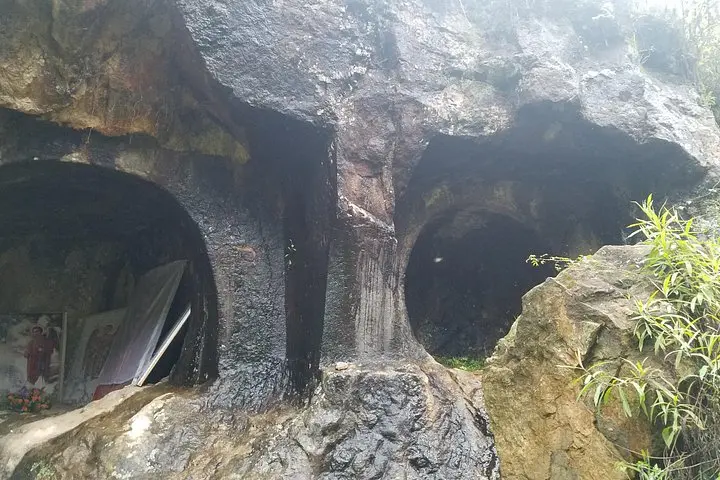
The church dates to the early Aksumite period—local tradition credits kings Ezana and Saizana for its founding around the fourth century AD—and it stands as a southern echo of Ethiopia’s famous hewn churches. Geology is obvious here: layers of basalt and welded tuff that ancient masons cut into, forming chambers, altars, and sculpted facades. You’ll notice tool marks, carved niches, and crosses that link this site to broader Ethiopian Orthodox practice and the military history of Ezana’s horsemen who once used the surrounding ridgelines.
The experience is both cultural and physical: expect a steady 30–60 minute hike each way across rocky, uneven terrain with short stair sections into the cave complex. Guides usually explain liturgical customs and point out Aksumite-style features comparable to Lalibela’s structures.
Plan for sun, dusty trails, and modest clothing out of respect for a working religious site. Bring at least 1–2 liters of water, closed-toe shoes, and a camera with extra battery. Mornings offer cooler temperatures and softer light for photography; afternoons can be windier.
A half-day visit is accessible to most travelers with moderate fitness and rewards you with a tangible link to Ethiopia’s early Christian history and a striking example of rock-cut architecture.
The walk from the parking or drop-off point to the church typically takes 30–60 minutes each way depending on pace and exact pickup location within Addis Ababa.
Policies vary; modest entrance fees may apply and photography is usually allowed outside the sanctuary—always ask your guide and respect worshippers and altar spaces.
Children and older visitors can attend but should be able to manage uneven stone steps and short uphill sections; inform the operator if mobility is limited.
Most half-day tours include a guide and transport—guides provide historical context and navigate access; solo visitors should confirm logistics and local access rules first.
ShebaLand Tour operates guided outdoor trips and adventures with an emphasis on safety, stewardship, and memorable experiences.
You step off the city’s flat hum and climb through sun-baked grass and iron-rich rock until the land tightens around a narrow cleft: Washa Michael, the "Cave of Michael," carved from a single volcanic outcrop. The air cools; wind threads through the opening as if the rock itself is inviting you in.
You step off the city’s flat hum and climb through sun-baked grass and iron-rich rock until the land tightens around a narrow cleft: Washa Michael, the "Cave of Michael," carved from a single volcanic outcrop. The air cools; wind threads through the opening as if the rock itself is inviting you in.
The church dates to the early Aksumite period—local tradition credits kings Ezana and Saizana for its founding around the fourth century AD—and it stands as a southern echo of Ethiopia’s famous hewn churches. Geology is obvious here: layers of basalt and welded tuff that ancient masons cut into, forming chambers, altars, and sculpted facades. You’ll notice tool marks, carved niches, and crosses that link this site to broader Ethiopian Orthodox practice and the military history of Ezana’s horsemen who once used the surrounding ridgelines.
The experience is both cultural and physical: expect a steady 30–60 minute hike each way across rocky, uneven terrain with short stair sections into the cave complex. Guides usually explain liturgical customs and point out Aksumite-style features comparable to Lalibela’s structures.
Plan for sun, dusty trails, and modest clothing out of respect for a working religious site. Bring at least 1–2 liters of water, closed-toe shoes, and a camera with extra battery. Mornings offer cooler temperatures and softer light for photography; afternoons can be windier.
A half-day visit is accessible to most travelers with moderate fitness and rewards you with a tangible link to Ethiopia’s early Christian history and a striking example of rock-cut architecture.