THE ADVENTURE COLLECTIVE® · Independent discovery and booking for outdoor travel

Pair a focused guided visit to the Tulum ruins with a refreshing open-cenote swim on this half-day from Playa del Carmen. Early starts beat the heat and the crowds, and lifejackets/snorkel rentals make the cenote approachable for most visitors.
Pair a focused guided visit to the Tulum ruins with a refreshing open-cenote swim on this half-day from Playa del Carmen. Early starts beat the heat and the crowds, and lifejackets/snorkel rentals make the cenote approachable for most visitors.
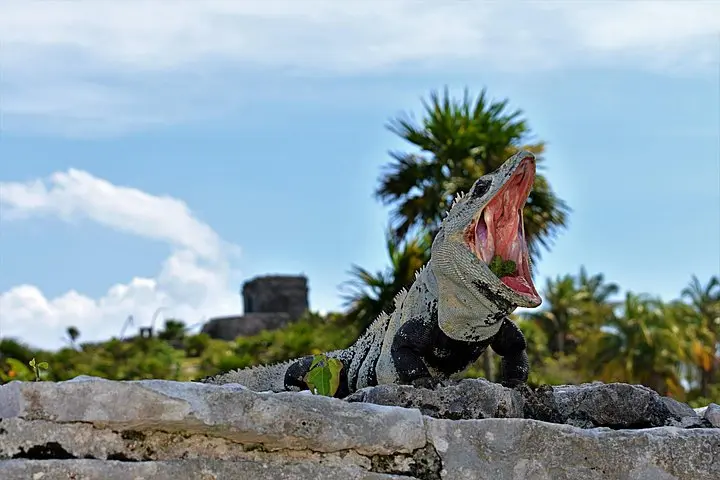
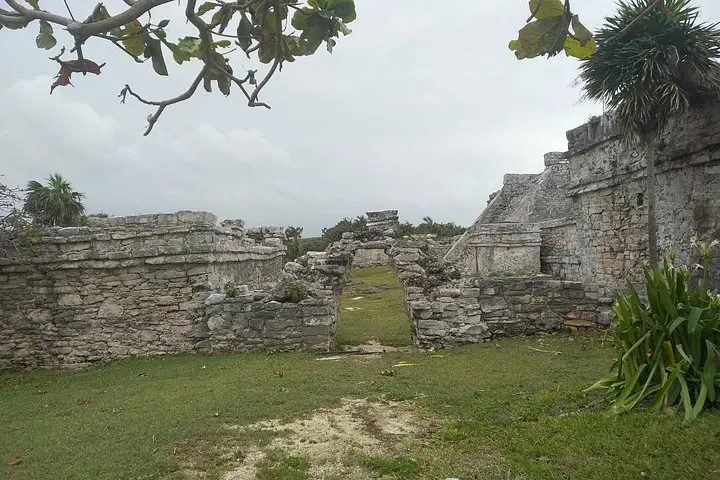
The morning light cuts across the Caribbean as the minivan leaves Playa del Carmen and a line of palms gives way to low limestone cliffs and salt-scarred scrub. By the time the guide leads the group into the Tulum archaeological site, the Castillo sits against a bright surf — ruins that look out over the sea as if keeping watch.
Verified experiences and guided adventures in the surrounding area.
Operated by David Rodríguez Padilla · Playa del Carmen, Quintana Roo
The morning light cuts across the Caribbean as the minivan leaves Playa del Carmen and a line of palms gives way to low limestone cliffs and salt-scarred scrub. By the time the guide leads the group into the Tulum archaeological site, the Castillo sits against a bright surf — ruins that look out over the sea as if keeping watch.
Tulum is one of the last major Mayan cities, occupied in the Late Postclassic (roughly 13th–16th centuries) and long valued for its strategic coastal position and trading links. The limestone cliffs here are part of the Yucatán Platform; the porous bedrock creates the region’s famous cenotes — collapsed caverns where fresh groundwater meets air.
After an hour on paths and terraces, visitors have free time to walk the beachfront and the small commercial strip with cafes and craft stalls that reflect modern Tulum culture.
The second half of the trip drops inland to an open cenote — clear, spring-fed water framed by vegetation. Swims here are straightforward: lifejackets and snorkel gear are available for rent, and the water offers immediate relief from the midday heat.
Practical guidance: bring reef-safe sunscreen, a towel, and water shoes for the limestone surfaces; the guided portion moves at a steady tourist pace and is suitable for most abilities. Expect 3–6 hours door-to-door from Playa del Carmen, carry cash for small purchases and entry fees when applicable, and schedule early departures to avoid crowds and heat.
The guide typically carries admission tickets for the group; confirm when booking whether the archaeological zone fee is covered or paid on-site.
Yes — lifejackets are available for rent and there are shallow edges suitable for non-swimmers to wade and cool off without venturing into deep water.
The itinerary generally includes about one hour guided at the ruins followed by an additional hour of free time, then 90 minutes at the cenote for swimming and relaxing.
Yes, the tour uses air-conditioned vehicles with pick-up and drop-off in Playa del Carmen; confirm your specific meeting point at booking.
David Rodríguez Padilla operates guided outdoor trips and adventures with an emphasis on safety, stewardship, and memorable experiences.
The morning light cuts across the Caribbean as the minivan leaves Playa del Carmen and a line of palms gives way to low limestone cliffs and salt-scarred scrub. By the time the guide leads the group into the Tulum archaeological site, the Castillo sits against a bright surf — ruins that look out over the sea as if keeping watch.
The morning light cuts across the Caribbean as the minivan leaves Playa del Carmen and a line of palms gives way to low limestone cliffs and salt-scarred scrub. By the time the guide leads the group into the Tulum archaeological site, the Castillo sits against a bright surf — ruins that look out over the sea as if keeping watch.
Tulum is one of the last major Mayan cities, occupied in the Late Postclassic (roughly 13th–16th centuries) and long valued for its strategic coastal position and trading links. The limestone cliffs here are part of the Yucatán Platform; the porous bedrock creates the region’s famous cenotes — collapsed caverns where fresh groundwater meets air.
After an hour on paths and terraces, visitors have free time to walk the beachfront and the small commercial strip with cafes and craft stalls that reflect modern Tulum culture.
The second half of the trip drops inland to an open cenote — clear, spring-fed water framed by vegetation. Swims here are straightforward: lifejackets and snorkel gear are available for rent, and the water offers immediate relief from the midday heat.
Practical guidance: bring reef-safe sunscreen, a towel, and water shoes for the limestone surfaces; the guided portion moves at a steady tourist pace and is suitable for most abilities. Expect 3–6 hours door-to-door from Playa del Carmen, carry cash for small purchases and entry fees when applicable, and schedule early departures to avoid crowds and heat.