THE ADVENTURE COLLECTIVE® · Independent discovery and booking for outdoor travel

Drive inland from Sri Lanka’s south coast for a half‑day jeep safari in Udawalawe National Park, where large herds of elephants, croc‑lined riverbanks and abundant birdlife dominate the dry‑zone landscape. Learn when to go, what to bring, and how the nearby Elephant Transit Home fits into conservation efforts.
Drive inland from Sri Lanka’s south coast for a half‑day jeep safari in Udawalawe National Park, where large herds of elephants, croc‑lined riverbanks and abundant birdlife dominate the dry‑zone landscape. Learn when to go, what to bring, and how the nearby Elephant Transit Home fits into conservation efforts.
You arrive before the jeeps unload, the road dust still clinging to the A/C of your transfer. The air smells of sun‑warm grass and dust; somewhere a distant trumpet of an elephant announces its presence. The safari begins with the jeep easing into broad grasslands that open from scrub forest, the reservoir glittering like a carved basin that draws birds and beasts alike.
Verified experiences and guided adventures in the surrounding area.
Operated by Bhathiya Tours · Udawalawe, Sabaragamuwa Province
You arrive before the jeeps unload, the road dust still clinging to the A/C of your transfer. The air smells of sun‑warm grass and dust; somewhere a distant trumpet of an elephant announces its presence. The safari begins with the jeep easing into broad grasslands that open from scrub forest, the reservoir glittering like a carved basin that draws birds and beasts alike.
Udawalawe National Park was created in the early 1970s after the reservoir reshaped the landscape; the park now protects resident elephant herds—estimated in the hundreds—along with crocodiles, deer and dozens of endemic and migratory birds. The terrain is classic Sri Lankan dry zone: flat to gently undulating plains, rocky outcrops and the broad sweep of Udawalawe Reservoir, where water levels and seasonal grasses set the rhythm of animal movements.
Local communities around the park are predominantly Sinhalese farming villages; the nearby Elephant Transit Home provides a rare up‑close look at rehabilitation work and a window into conservation efforts that balance tourism and wildlife welfare.
Practical guidance: safaris run best at dawn and late afternoon when animals move toward water. Expect a 3‑hour scenic transfer from the south coast (Galle/Mirissa area) and a roughly 4‑hour game drive inside the park. Wear sun protection, bring binoculars and a camera with a mid‑range zoom, and be prepared for dusty, bumpy tracks. Park entrance fees are paid at the gate; the optional Transit Home visit carries a small extra charge. Guides and trackers increase sighting odds—follow their lead and keep distance from wildlife for safety and minimal disturbance.
The typical game drive time is about four hours inside Udawalawe National Park; total door‑to‑door timings depend on your pickup point and transfer time.
Yes—most tours offer an optional visit; the Transit Home charges a small entry fee and feeding sessions are scheduled—check times beforehand.
As of the tour listing, foreign adult day entrance to the park is listed at US$43, children 6–12 US$18; the Elephant Transit Home is approximately US$5 per person—confirm current rates on arrival.
Yes—safaris are family‑friendly; infants must sit on laps and infant seats can be arranged; follow guide safety instructions at all times.
Bhathiya Tours operates guided outdoor trips and adventures with an emphasis on safety, stewardship, and memorable experiences.
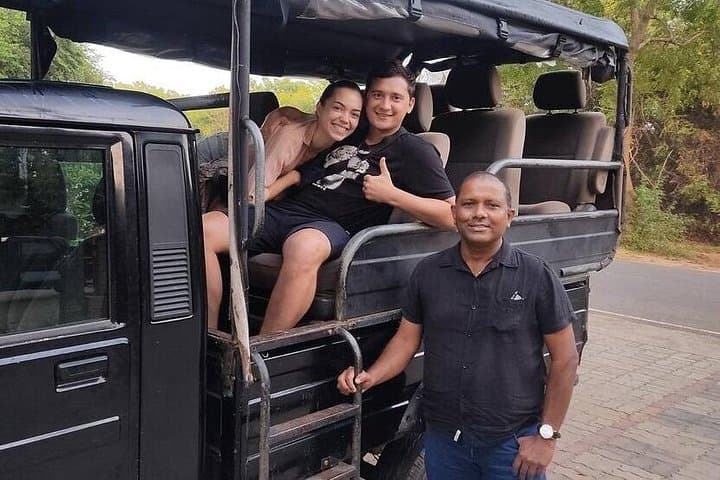
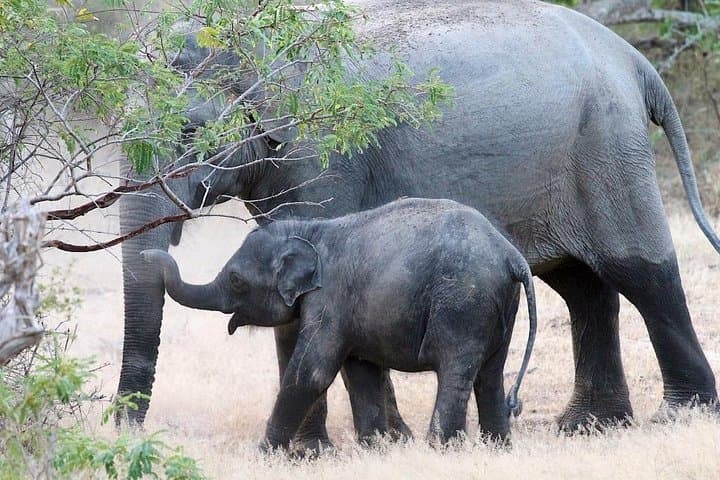


You arrive before the jeeps unload, the road dust still clinging to the A/C of your transfer. The air smells of sun‑warm grass and dust; somewhere a distant trumpet of an elephant announces its presence. The safari begins with the jeep easing into broad grasslands that open from scrub forest, the reservoir glittering like a carved basin that draws birds and beasts alike.
You arrive before the jeeps unload, the road dust still clinging to the A/C of your transfer. The air smells of sun‑warm grass and dust; somewhere a distant trumpet of an elephant announces its presence. The safari begins with the jeep easing into broad grasslands that open from scrub forest, the reservoir glittering like a carved basin that draws birds and beasts alike.
Udawalawe National Park was created in the early 1970s after the reservoir reshaped the landscape; the park now protects resident elephant herds—estimated in the hundreds—along with crocodiles, deer and dozens of endemic and migratory birds. The terrain is classic Sri Lankan dry zone: flat to gently undulating plains, rocky outcrops and the broad sweep of Udawalawe Reservoir, where water levels and seasonal grasses set the rhythm of animal movements.
Local communities around the park are predominantly Sinhalese farming villages; the nearby Elephant Transit Home provides a rare up‑close look at rehabilitation work and a window into conservation efforts that balance tourism and wildlife welfare.
Practical guidance: safaris run best at dawn and late afternoon when animals move toward water. Expect a 3‑hour scenic transfer from the south coast (Galle/Mirissa area) and a roughly 4‑hour game drive inside the park. Wear sun protection, bring binoculars and a camera with a mid‑range zoom, and be prepared for dusty, bumpy tracks. Park entrance fees are paid at the gate; the optional Transit Home visit carries a small extra charge. Guides and trackers increase sighting odds—follow their lead and keep distance from wildlife for safety and minimal disturbance.