THE ADVENTURE COLLECTIVE® · Independent discovery and booking for outdoor travel

A short, intense white-water run on the Upper Seti delivers Class III–IV rapids with dramatic Annapurna views. This half-day trip from Pokhara pairs technical paddling with expert guides and hotel transfers.
A short, intense white-water run on the Upper Seti delivers Class III–IV rapids with dramatic Annapurna views. This half-day trip from Pokhara pairs technical paddling with expert guides and hotel transfers.
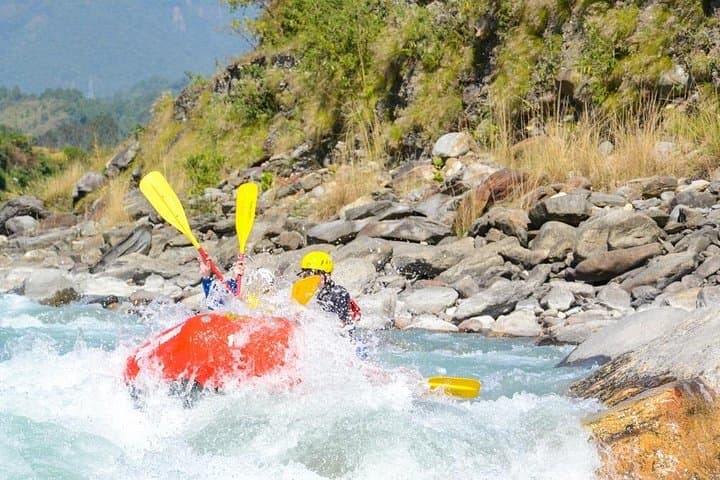
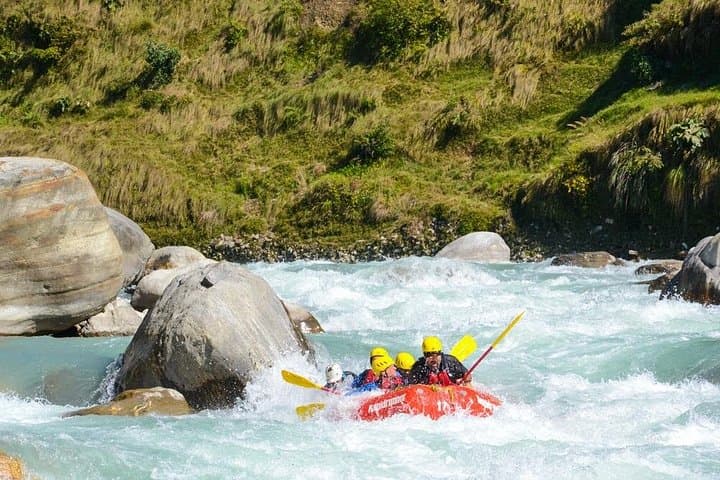
Morning light slices across the limestone walls as the Upper Seti narrows and the current begins to assert itself. You step into a rubber raft on a river that cuts a raw, gray throat through green hills—water that seems intent on moving you forward, not politely suggesting it.
Verified experiences and guided adventures in the surrounding area.
Operated by CAN Travels · Pokhara, Gandaki Province
Morning light slices across the limestone walls as the Upper Seti narrows and the current begins to assert itself. You step into a rubber raft on a river that cuts a raw, gray throat through green hills—water that seems intent on moving you forward, not politely suggesting it.
The Seti Gandaki drains the Annapurna massif, carving through young Himalayan rock and boulder fields. The gorge here is geologically recent: fast uplift, frequent landslides and a river that reshapes its channel with each monsoon. Culturally, this stretch sits in the shadow of Pokhara and the Gurung communities of the Gandaki, where rivers have long been routes for trade and ritual.
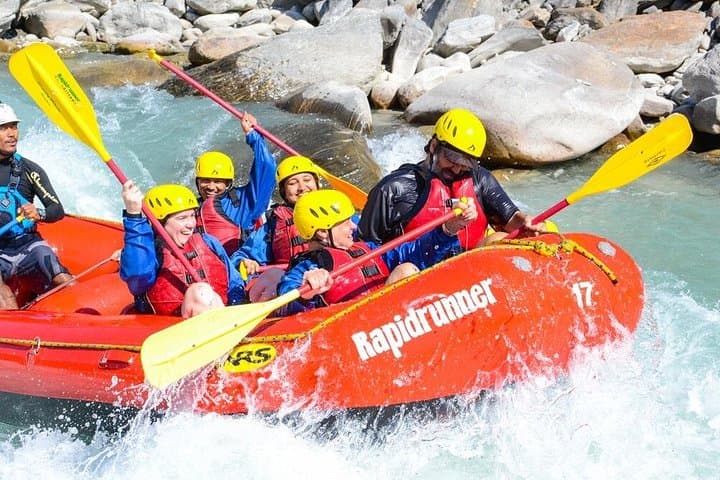
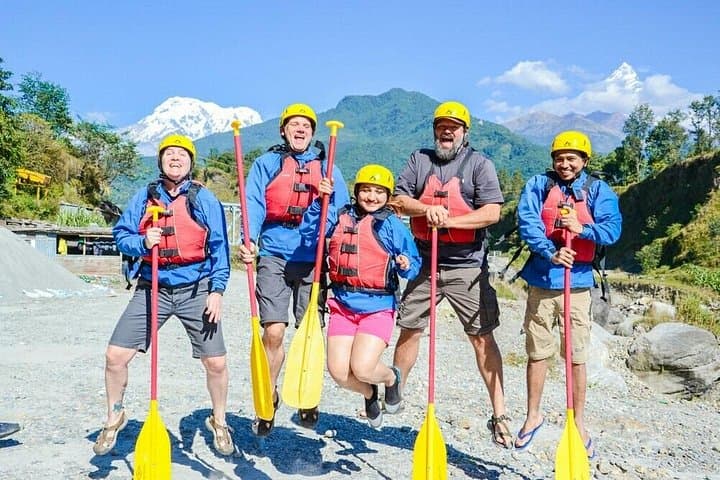
Expect 90 minutes of active rafting on a half-day schedule: several Class III-IV rapids that demand coordinated paddling, quick launches and an alert guide. Between drops you'll float past steep terraces, limestone bluffs and glimpses of Annapurna’s ridgelines—places where local farmers and birds keep a watch on the water. Guides provide helmets, life jackets and instruction; snacks and hotel transfer round out the logistics.
Practically, arrive early, bring a change of clothes and secure electronics in waterproof cases. The river is strongest in spring runoff and early post-monsoon months; water levels and rapid intensity vary with season. If you can swim and are prepared to follow commands, this half-day run is an efficient, high-adrenaline way to pair Himalayan scenery with technical river running.
The on-water section is about 90 minutes, with the full half-day experience including transfers, briefing and snacks totaling roughly 3–4 hours.
This run features Class III–IV rapids; participants should be comfortable following commands, have basic paddling ability and be able to swim.
Yes—most operators include morning pickup and drop-off in Pokhara; confirm exact pickup windows when you book.
Spring (March–May) and early autumn (September–November) offer reliable flows and clearer weather; monsoon months can swell the river and alter difficulty.
CAN Travels operates guided outdoor trips and adventures with an emphasis on safety, stewardship, and memorable experiences.
Morning light slices across the limestone walls as the Upper Seti narrows and the current begins to assert itself. You step into a rubber raft on a river that cuts a raw, gray throat through green hills—water that seems intent on moving you forward, not politely suggesting it.
Morning light slices across the limestone walls as the Upper Seti narrows and the current begins to assert itself. You step into a rubber raft on a river that cuts a raw, gray throat through green hills—water that seems intent on moving you forward, not politely suggesting it.
The Seti Gandaki drains the Annapurna massif, carving through young Himalayan rock and boulder fields. The gorge here is geologically recent: fast uplift, frequent landslides and a river that reshapes its channel with each monsoon. Culturally, this stretch sits in the shadow of Pokhara and the Gurung communities of the Gandaki, where rivers have long been routes for trade and ritual.
Expect 90 minutes of active rafting on a half-day schedule: several Class III-IV rapids that demand coordinated paddling, quick launches and an alert guide. Between drops you'll float past steep terraces, limestone bluffs and glimpses of Annapurna’s ridgelines—places where local farmers and birds keep a watch on the water. Guides provide helmets, life jackets and instruction; snacks and hotel transfer round out the logistics.
Practically, arrive early, bring a change of clothes and secure electronics in waterproof cases. The river is strongest in spring runoff and early post-monsoon months; water levels and rapid intensity vary with season. If you can swim and are prepared to follow commands, this half-day run is an efficient, high-adrenaline way to pair Himalayan scenery with technical river running.