THE ADVENTURE COLLECTIVE® · Independent discovery and booking for outdoor travel

Cross the world’s highest navigable lake to meet the Uro-Aymara people on their hand-built totora reed islands. This half‑day from Puno combines a short boat crossing with cultural demonstrations, optional reed-boat rides and lakeside views of the Andes.
Cross the world’s highest navigable lake to meet the Uro-Aymara people on their hand-built totora reed islands. This half‑day from Puno combines a short boat crossing with cultural demonstrations, optional reed-boat rides and lakeside views of the Andes.
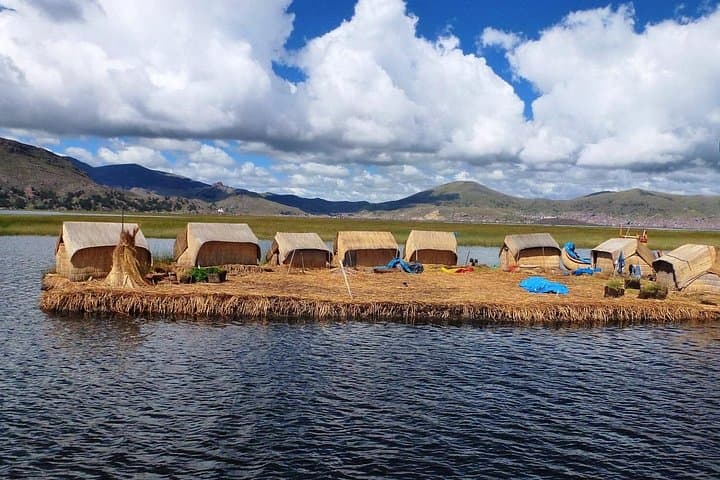
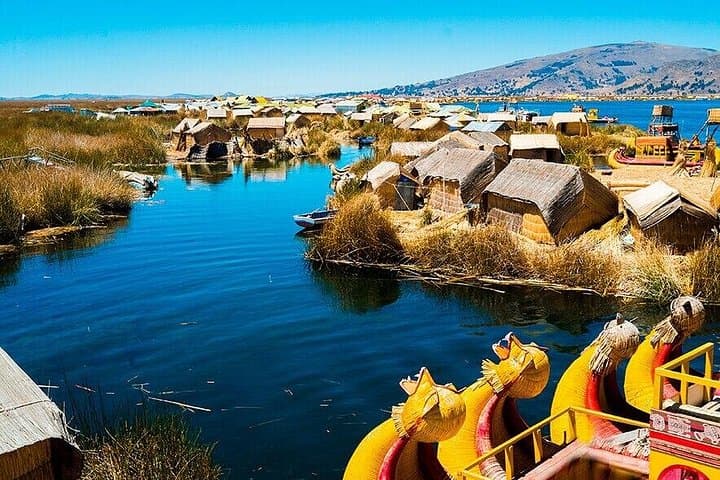
A chill wind off Lake Titicaca lifts tiny waves against a platform of bundled reeds. You step from the pier in Puno onto a motor boat and cross water that sits higher than most peaks — the air thin, the sky vast. In roughly 25 minutes the shoreline loosens into a scatter of low, golden islands that seem to breathe: each island is a living raft of totora reed, maintained, repaired and lived upon.
Verified experiences and guided adventures in the surrounding area.
Operated by Discover Lake Titicaca · Puno, Puno
A chill wind off Lake Titicaca lifts tiny waves against a platform of bundled reeds. You step from the pier in Puno onto a motor boat and cross water that sits higher than most peaks — the air thin, the sky vast. In roughly 25 minutes the shoreline loosens into a scatter of low, golden islands that seem to breathe: each island is a living raft of totora reed, maintained, repaired and lived upon.
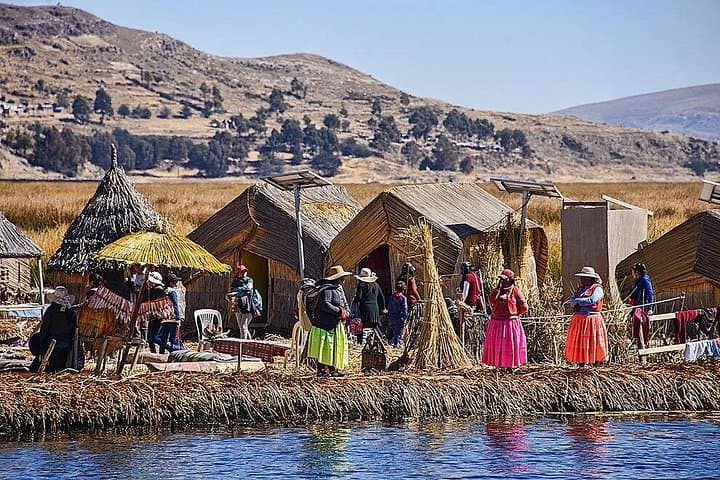
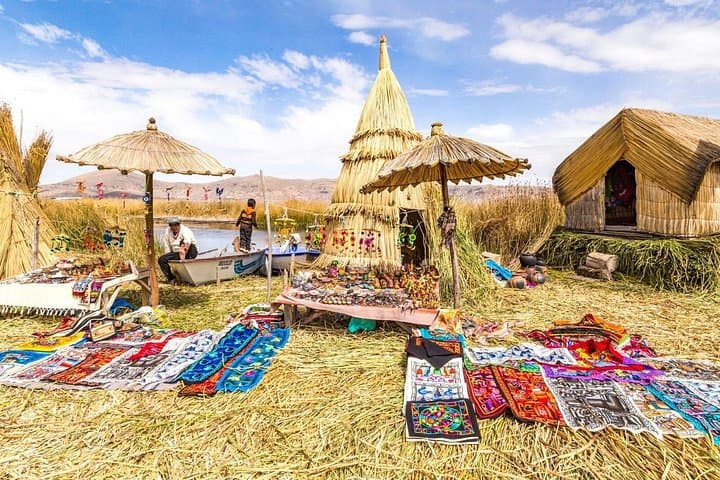
The Uros islands predate modern borders. Built by Uro-Aymara families centuries ago, the reed technology answers a simple geological truth — the shallow western basin of Titicaca supports dense totora beds, providing buoyancy and material for houses and boats. Culturally the islands are a working community: residents speak Aymara, sell reed handicrafts and still take reed boats for short fishing and transport trips.
Practically, this is a short, low-effort cultural-boat excursion best booked from Puno. Expect clear views of the snow-capped Cordillera to the west, close encounters with reed construction methods, and chances to support local vendors. Bring cash if you want the optional short reed-boat ride or souvenirs.
Timing matters: strong sun, cold winds and altitude all shape the day. Dress in layers, protect skin and hydrate before you board. The tour is family-friendly and accessible but remember that the islands are communal living spaces — be respectful of personal areas and follow guide directions. Returning to the pier after three hours, you’ll have a concise, memorable look at a living, engineered culture set upon one of the world’s highest lakes.
The crossing from the Puno pier is roughly 20–30 minutes each way, depending on weather and traffic on the lake.
Yes — the islands are inhabited and guides coordinate visits; wear stable shoes and follow instructions when stepping on the reed platforms.
The tour is generally family-friendly and accessible, but boarding boats requires some balance; disclose special needs at booking for pickup arrangements.
Most sellers accept cash only; bring small denomination soles for purchases and optional activities.
Discover Lake Titicaca operates guided outdoor trips and adventures with an emphasis on safety, stewardship, and memorable experiences.
A chill wind off Lake Titicaca lifts tiny waves against a platform of bundled reeds. You step from the pier in Puno onto a motor boat and cross water that sits higher than most peaks — the air thin, the sky vast. In roughly 25 minutes the shoreline loosens into a scatter of low, golden islands that seem to breathe: each island is a living raft of totora reed, maintained, repaired and lived upon.
A chill wind off Lake Titicaca lifts tiny waves against a platform of bundled reeds. You step from the pier in Puno onto a motor boat and cross water that sits higher than most peaks — the air thin, the sky vast. In roughly 25 minutes the shoreline loosens into a scatter of low, golden islands that seem to breathe: each island is a living raft of totora reed, maintained, repaired and lived upon.
The Uros islands predate modern borders. Built by Uro-Aymara families centuries ago, the reed technology answers a simple geological truth — the shallow western basin of Titicaca supports dense totora beds, providing buoyancy and material for houses and boats. Culturally the islands are a working community: residents speak Aymara, sell reed handicrafts and still take reed boats for short fishing and transport trips.
Practically, this is a short, low-effort cultural-boat excursion best booked from Puno. Expect clear views of the snow-capped Cordillera to the west, close encounters with reed construction methods, and chances to support local vendors. Bring cash if you want the optional short reed-boat ride or souvenirs.
Timing matters: strong sun, cold winds and altitude all shape the day. Dress in layers, protect skin and hydrate before you board. The tour is family-friendly and accessible but remember that the islands are communal living spaces — be respectful of personal areas and follow guide directions. Returning to the pier after three hours, you’ll have a concise, memorable look at a living, engineered culture set upon one of the world’s highest lakes.