THE ADVENTURE COLLECTIVE® · Independent discovery and booking for outdoor travel

Spend a half day outside Saigon exploring the Cu Chi Tunnels with a private guide. Crawl through sections of the 220 km network, visit the shooting range, and learn how local geology and guerrilla engineering shaped wartime survival.
Spend a half day outside Saigon exploring the Cu Chi Tunnels with a private guide. Crawl through sections of the 220 km network, visit the shooting range, and learn how local geology and guerrilla engineering shaped wartime survival.
A humid morning peel s away from Ho Chi Minh City as a private van rolls onto the country road, rubber plantations sliding past like slow green tides. At the Cu Chi entrance a narrow sign and a cluster of palms frame the low, shaded doorways; the air cools, and the earth seems to hold its own secrets.
Verified experiences and guided adventures in the surrounding area.
Operated by Authentic HALONG · Cu Chi, Ho Chi Minh
A humid morning peel s away from Ho Chi Minh City as a private van rolls onto the country road, rubber plantations sliding past like slow green tides. At the Cu Chi entrance a narrow sign and a cluster of palms frame the low, shaded doorways; the air cools, and the earth seems to hold its own secrets.
This compact underground world was carved and expanded by Vietnamese fighters into a 220‑kilometer network used for movement, shelter, and resistance during the Vietnam War. The tunnels cut through red laterite and sandy clay; their entrances were cleverly camouflaged amid cassava fields and rubber trees. Nearby villages still cook on simple stoves and sell grilled cassava and local snacks that reflect rural southern Vietnamese life.
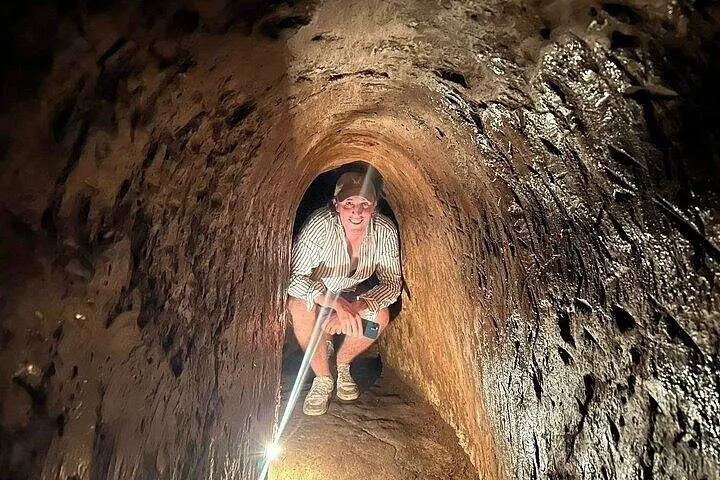
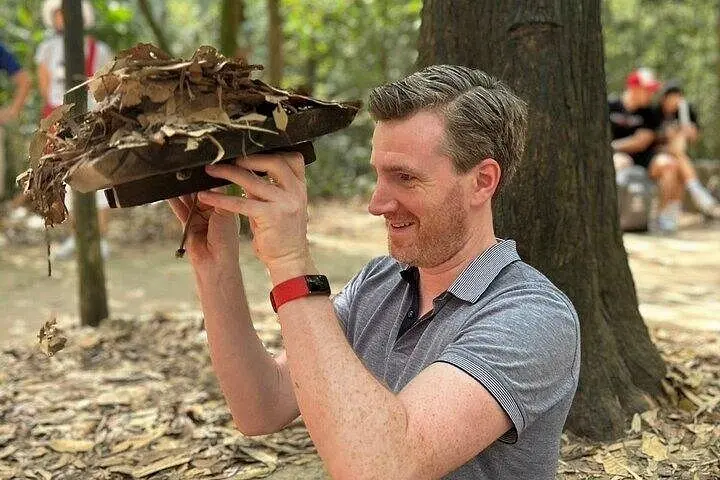
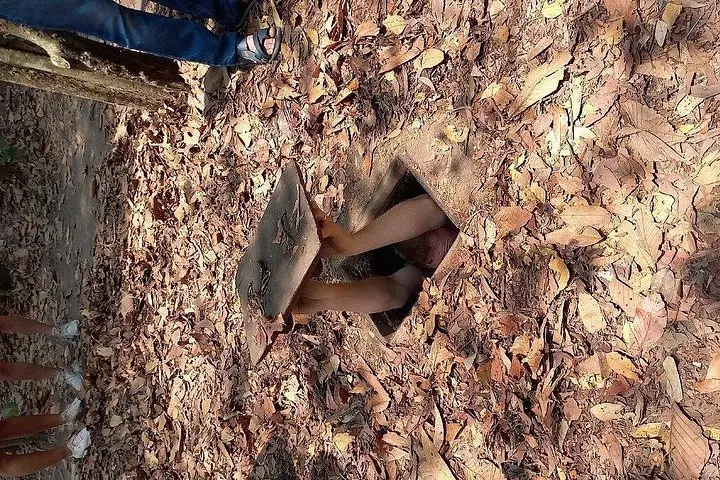
On a half‑day VIP tour, a private guide translates architecture into stories: trapdoors that fold like lids, living chambers barely taller than a crouched person, and hidden kitchens that kept a small army fed. The itinerary commonly includes a short, supervised shooting range and a chance to photograph the surrounding countryside.
Practical guidance: expect about six hours door‑to‑door from central Saigon with air‑conditioned transport and hotel pickup. The tunnel crawl is low and narrow—those with claustrophobia or mobility issues should remain above ground. Wear closed‑toe shoes and a lightweight long sleeve to fend off mosquitoes and scratches. Bring your passport, sunscreen, and a small amount of local cash for snacks or crafts. Morning departures avoid the midday heat and give you clearer light for photos.
The site is both a museum of improvisation and a working rural landscape; move respectfully, follow your guide, and you’ll return with a clearer sense of how people and place shaped each other here.
Yes; the tour includes pickup and drop‑off from centrally located hotels in Ho Chi Minh City—confirm your pickup point when booking.
Most people can enter short tunnel sections, but those with spinal, heart, or pregnancy restrictions should avoid crawling portions; alternatives are available above ground.
No; the shooting activity is optional and supervised—ask your guide if you prefer to skip it or observe from the sidelines.
The transfer is roughly 60 km and typically takes about 1.5 to 2 hours each way depending on traffic and your pickup location.
Authentic HALONG operates guided outdoor trips and adventures with an emphasis on safety, stewardship, and memorable experiences.

A humid morning peel s away from Ho Chi Minh City as a private van rolls onto the country road, rubber plantations sliding past like slow green tides. At the Cu Chi entrance a narrow sign and a cluster of palms frame the low, shaded doorways; the air cools, and the earth seems to hold its own secrets.
A humid morning peel s away from Ho Chi Minh City as a private van rolls onto the country road, rubber plantations sliding past like slow green tides. At the Cu Chi entrance a narrow sign and a cluster of palms frame the low, shaded doorways; the air cools, and the earth seems to hold its own secrets.
This compact underground world was carved and expanded by Vietnamese fighters into a 220‑kilometer network used for movement, shelter, and resistance during the Vietnam War. The tunnels cut through red laterite and sandy clay; their entrances were cleverly camouflaged amid cassava fields and rubber trees. Nearby villages still cook on simple stoves and sell grilled cassava and local snacks that reflect rural southern Vietnamese life.
On a half‑day VIP tour, a private guide translates architecture into stories: trapdoors that fold like lids, living chambers barely taller than a crouched person, and hidden kitchens that kept a small army fed. The itinerary commonly includes a short, supervised shooting range and a chance to photograph the surrounding countryside.
Practical guidance: expect about six hours door‑to‑door from central Saigon with air‑conditioned transport and hotel pickup. The tunnel crawl is low and narrow—those with claustrophobia or mobility issues should remain above ground. Wear closed‑toe shoes and a lightweight long sleeve to fend off mosquitoes and scratches. Bring your passport, sunscreen, and a small amount of local cash for snacks or crafts. Morning departures avoid the midday heat and give you clearer light for photos.
The site is both a museum of improvisation and a working rural landscape; move respectfully, follow your guide, and you’ll return with a clearer sense of how people and place shaped each other here.