THE ADVENTURE COLLECTIVE® · Independent discovery and booking for outdoor travel

Cycle out of Amsterdam into Waterland’s low-lying pastures on a private half-day tour. Expect flat, scenic lanes, iconic windmills, and a local guide who explains the engineering and culture behind the reclaimed landscape.
Cycle out of Amsterdam into Waterland’s low-lying pastures on a private half-day tour. Expect flat, scenic lanes, iconic windmills, and a local guide who explains the engineering and culture behind the reclaimed landscape.
You push off from Amsterdam Centraal and immediately the city loosens its grip: cobblestones give way to flat, open sky and a ribbon of tarmac that threads between canals and polder pastures.
Verified experiences and guided adventures in the surrounding area.
Operated by Trigger Tours · Amsterdam, North Holland
You push off from Amsterdam Centraal and immediately the city loosens its grip: cobblestones give way to flat, open sky and a ribbon of tarmac that threads between canals and polder pastures.
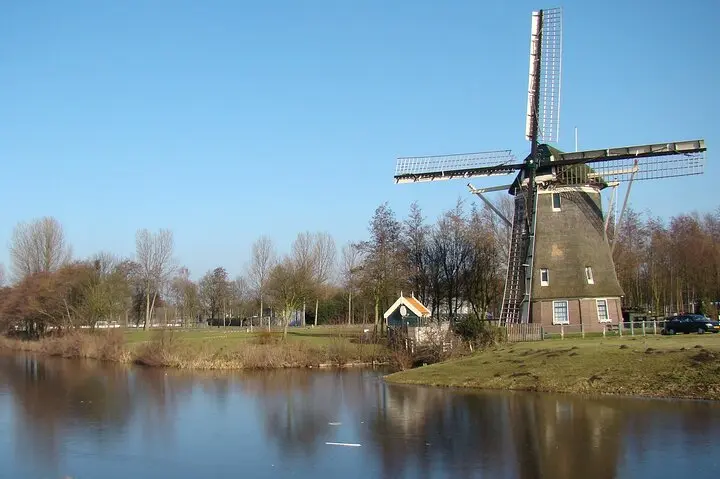
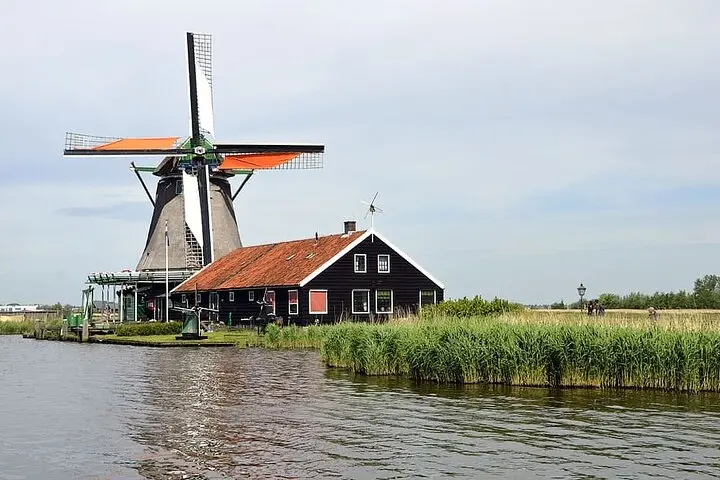
The ride moves at a practical pace—modern city bikes hum along farm tracks and local lanes while windmills pivot on the horizon. Water here has an opinion: dikes and canals shape every field and road, daring you to respect the engineered landscape that reclaimed this land from the sea centuries ago.
Waterland’s history reads in its names—polders, ring dikes and wooden houses raised on old clay. Geology is simple and honest: peat and clay layered over what used to be estuary, now thin, fertile soil crisscrossed by drainage channels. Culture shows in small-scale agriculture, fishing sheds, and villages where cyclists are as common as storks in summer.
Expect 3–4 hours of mostly flat riding, short stops in quaint villages, and explanations from a local guide about land reclamation and daily life in the polders. The route favors quiet country roads and firm gravel; it’s family-friendly but keeps a steady tempo.
Practical tips: bring a windproof layer and a refillable water bottle, lock your bike for village stops, and plan departures earlier in the day for calmer winds and softer light. Respect private farmland, stick to marked lanes to protect dikes and bird habitat, and let the canals set the rhythm—steady, unhurried, and exacting.
Typical routes cover 20–30 km (12–18 miles) over flat terrain during the half-day tour.
Guides generally provide helmets on request; helmets are recommended though not always mandatory for adult riders.
Yes—routes are family-friendly, but children should be comfortable riding for several kilometers and able to follow group instructions.
Tours run in light rain; heavy weather may prompt rescheduling—check cancellation policy and local forecasts before departure.
Trigger Tours operates guided outdoor trips and adventures with an emphasis on safety, stewardship, and memorable experiences.
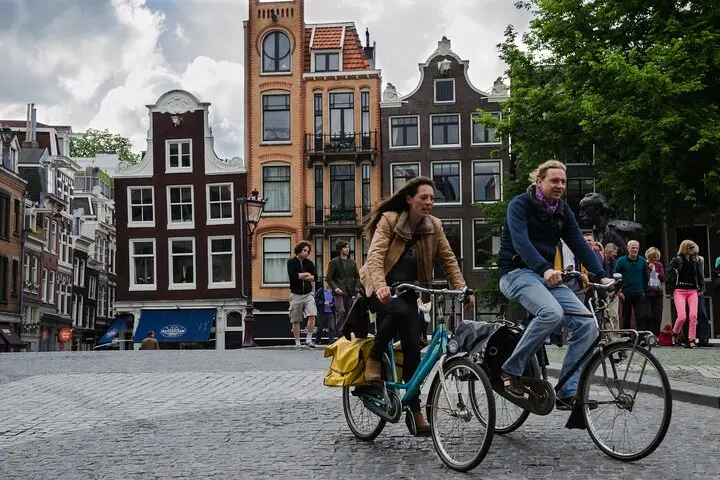
You push off from Amsterdam Centraal and immediately the city loosens its grip: cobblestones give way to flat, open sky and a ribbon of tarmac that threads between canals and polder pastures.
You push off from Amsterdam Centraal and immediately the city loosens its grip: cobblestones give way to flat, open sky and a ribbon of tarmac that threads between canals and polder pastures.
The ride moves at a practical pace—modern city bikes hum along farm tracks and local lanes while windmills pivot on the horizon. Water here has an opinion: dikes and canals shape every field and road, daring you to respect the engineered landscape that reclaimed this land from the sea centuries ago.
Waterland’s history reads in its names—polders, ring dikes and wooden houses raised on old clay. Geology is simple and honest: peat and clay layered over what used to be estuary, now thin, fertile soil crisscrossed by drainage channels. Culture shows in small-scale agriculture, fishing sheds, and villages where cyclists are as common as storks in summer.
Expect 3–4 hours of mostly flat riding, short stops in quaint villages, and explanations from a local guide about land reclamation and daily life in the polders. The route favors quiet country roads and firm gravel; it’s family-friendly but keeps a steady tempo.
Practical tips: bring a windproof layer and a refillable water bottle, lock your bike for village stops, and plan departures earlier in the day for calmer winds and softer light. Respect private farmland, stick to marked lanes to protect dikes and bird habitat, and let the canals set the rhythm—steady, unhurried, and exacting.