THE ADVENTURE COLLECTIVE® · Independent discovery and booking for outdoor travel

A five-hour west-coast circuit that visits Shete Boka’s pounding caves, snorkels with green sea turtles at Playa Piskado, soaks up Kenepa’s iconic beach, and passes salt flats where flamingos gather.
A five-hour west-coast circuit that visits Shete Boka’s pounding caves, snorkels with green sea turtles at Playa Piskado, soaks up Kenepa’s iconic beach, and passes salt flats where flamingos gather.
You pull off the coastal road and the north-side surf announces itself first: waves slam into volcanic limestone and spray through narrow inlets, daring you to stand closer. A guide with local stories leads the way as the bus threads past cactus scrub and coral rock, each stop a different shade of blue.
Verified experiences and guided adventures in the surrounding area.
Operated by Irie Tours · Westpunt, Curaçao
You pull off the coastal road and the north-side surf announces itself first: waves slam into volcanic limestone and spray through narrow inlets, daring you to stand closer. A guide with local stories leads the way as the bus threads past cactus scrub and coral rock, each stop a different shade of blue.
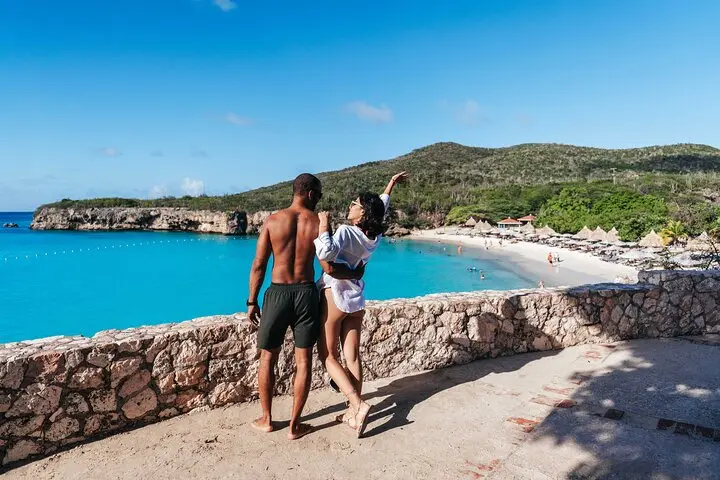
The route traces Curaçao’s western spine: Shete Boka National Park’s exposed, wave-carved coves and Boka Tabla’s tunnel where the sea thunders through rock; shallow bays where fishermen have long fed green sea turtles; and the broad white arc of Kenepa Beach, a photograph in motion. Geologically the coast is old limestone and uplifted reef, worn by trade winds into caves and blowholes that explain why the north is rugged and the west, shallow and calm.
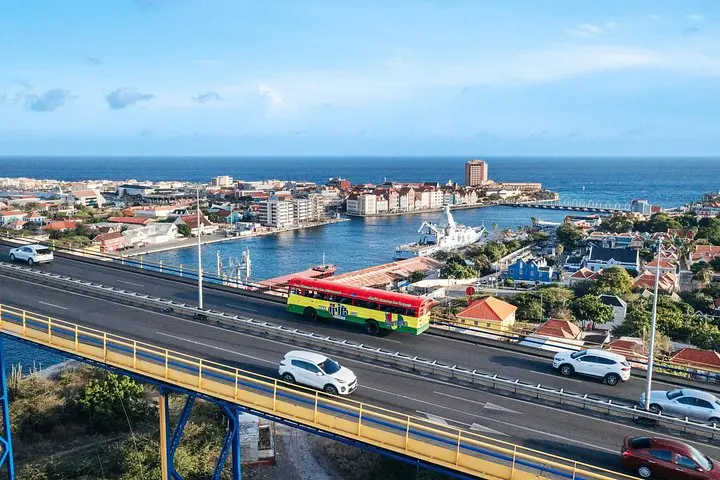
Culture here is small-island practical: salt pans once supported local industry and now attract flamingos, while Dutch colonial roads and vernacular architecture punctuate the inland views. Local guides point out where traditional fishing meets modern marine protection.
Practical guide: expect a half-day (about five hours) with multiple short stops. Snorkeling at Playa Piskado places you in clear water with turtles—stay shallow, remove jewelry, and use reef-safe sunscreen; rental masks and snorkels are usually provided. Footwear should handle sand, sun and a few rocky ledges. Morning light is best for photos and calmer seas; afternoons can bring windier conditions on the north coast. Hydrate between stops—bottled water is typically supplied—and follow guide instructions around wildlife: admire turtles and flamingos from a respectful distance. This tour is an efficient, scenic sampler of Curaçao’s west for visitors short on time.
No—snorkels are provided and guides choose shallow, sheltered spots for turtle sightings; basic comfort in the water is sufficient.
No—flamingos use nearby salt flats seasonally; sightings are common but not guaranteed and depend on where the tour passes that day.
Yes—this half-day itinerary is designed for people short on time and often accommodates cruise schedules; confirm pickup details when booking.
Yes—infants can ride in strollers and the tour is family-friendly, but boats or rocky viewpoints may not be suitable for very young children without assistance.
Irie Tours operates guided outdoor trips and adventures with an emphasis on safety, stewardship, and memorable experiences.
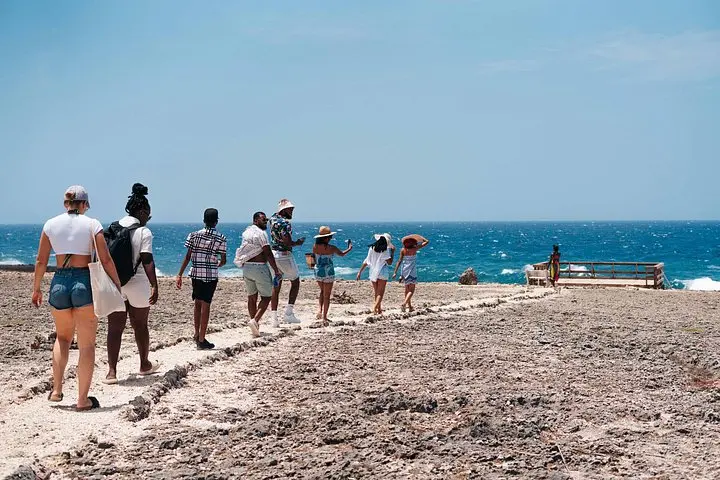

You pull off the coastal road and the north-side surf announces itself first: waves slam into volcanic limestone and spray through narrow inlets, daring you to stand closer. A guide with local stories leads the way as the bus threads past cactus scrub and coral rock, each stop a different shade of blue.
You pull off the coastal road and the north-side surf announces itself first: waves slam into volcanic limestone and spray through narrow inlets, daring you to stand closer. A guide with local stories leads the way as the bus threads past cactus scrub and coral rock, each stop a different shade of blue.
The route traces Curaçao’s western spine: Shete Boka National Park’s exposed, wave-carved coves and Boka Tabla’s tunnel where the sea thunders through rock; shallow bays where fishermen have long fed green sea turtles; and the broad white arc of Kenepa Beach, a photograph in motion. Geologically the coast is old limestone and uplifted reef, worn by trade winds into caves and blowholes that explain why the north is rugged and the west, shallow and calm.
Culture here is small-island practical: salt pans once supported local industry and now attract flamingos, while Dutch colonial roads and vernacular architecture punctuate the inland views. Local guides point out where traditional fishing meets modern marine protection.
Practical guide: expect a half-day (about five hours) with multiple short stops. Snorkeling at Playa Piskado places you in clear water with turtles—stay shallow, remove jewelry, and use reef-safe sunscreen; rental masks and snorkels are usually provided. Footwear should handle sand, sun and a few rocky ledges. Morning light is best for photos and calmer seas; afternoons can bring windier conditions on the north coast. Hydrate between stops—bottled water is typically supplied—and follow guide instructions around wildlife: admire turtles and flamingos from a respectful distance. This tour is an efficient, scenic sampler of Curaçao’s west for visitors short on time.