THE ADVENTURE COLLECTIVE® · Independent discovery and booking for outdoor travel

Ride the lower Deschutes through a basalt canyon of sun, wind, and reliable Class II–III whitewater on this half-day run from Maupin. It’s splashy, scenic, and approachable—equal parts active paddling and desert river zen.
Ride the lower Deschutes through a basalt canyon of sun, wind, and reliable Class II–III whitewater on this half-day run from Maupin. It’s splashy, scenic, and approachable—equal parts active paddling and desert river zen.
Morning light pours over the basalt cliffs as the Deschutes wakes, a cold, steady current shouldering downstream as if on a mission. Guides tighten PFDs, oars clink, and the canyon’s wind—never in a hurry yet always a factor—whispers that it may kick up later. Then the raft slides off the gravel bar and the river takes over, pushing you into a chain of splashy wave trains that shake off the road dust and sharpen your senses.
Verified experiences and guided adventures in the surrounding area.
Operated by River Drifters Whitewater Tours · Maupin, Oregon
Morning light pours over the basalt cliffs as the Deschutes wakes, a cold, steady current shouldering downstream as if on a mission. Guides tighten PFDs, oars clink, and the canyon’s wind—never in a hurry yet always a factor—whispers that it may kick up later. Then the raft slides off the gravel bar and the river takes over, pushing you into a chain of splashy wave trains that shake off the road dust and sharpen your senses.
This half-day run near Maupin threads through the Wild & Scenic section of the lower Deschutes, a desert river famous for dependable flows, warm sunshine, and beginner-friendly yet spirited whitewater. Expect consistent Class II–III rapids, with names locals say like old friends—Wapinitia, Boxcar, Surf City—each with a personality. Boxcar stands up and asks for focus; playful riffles downstream slap the tubes and invite whoops. Between hits, the canyon eases open. Columnar basalt stacks like organ pipes along the rim, swallows stitch the air, and ospreys patrol the corridor with a fisherman’s patience.
The Deschutes owes its shape to fire and ice: volcanic layers uplifted, then carved by relentless water. A railroad once traced the river’s bends, and you still glimpse the corridor’s history in trestles and grade cuts etched into the cliffs. In 1988, Congress designated the lower Deschutes Wild & Scenic, preserving public access to a working desert river that still fuels small towns like Maupin—a rafting hub where sunrise coffee, post-trip tacos, and riverside patios feel tailor-made for sandy feet and wet hair.
On the water, guides handle the lines and safety while you paddle, lean, and laugh. Expect to be active for three to four hours, with quick breaks for snacks, swimming on hot days, and occasional shoreline stretches. The sun is real here—wide-open and honest—so protection matters. The water remains cold year-round, a bracing reminder that upstream dams keep the flow consistent even in late summer. Afternoon winds often sprint up-canyon; morning departures typically offer smoother conditions and cleaner hits.
Logistically, it’s simple: meet in Maupin, gear up, shuttle to put-in, and let the current do its work. Wear quick-drying layers, secure your sunglasses, and bring an attitude that’s ready to paddle through waves and drift through quiet. The river will nudge you forward, rapids will ask for your attention, and the canyon—stoic but watchful—will reward it with that unmistakable post-rapid glow: cheeks wet, heart high, and a grin that lingers all the way back to town.
Expect mostly Class II–III whitewater with a few punchier waves depending on flows; guides choose lines to match conditions and group comfort.
No. Guides provide a safety talk and paddle commands before launch—first-timers are welcome with a willingness to paddle and get splashed.
The Deschutes runs cold year-round due to upstream dam releases. Plan clothing for cold water even on hot days.
Yes. PFDs and other essential river gear are provided; bring your own quick-dry clothing, secure footwear, and sun protection.
Yes, but afternoon winds can add effort. Morning departures typically offer calmer water and easier paddling.
Leave non-essentials in your vehicle or a provided locker if available. Bring only items you’re willing to get wet and secure them properly.
River Drifters Whitewater Tours operates guided outdoor trips and adventures with an emphasis on safety, stewardship, and memorable experiences.
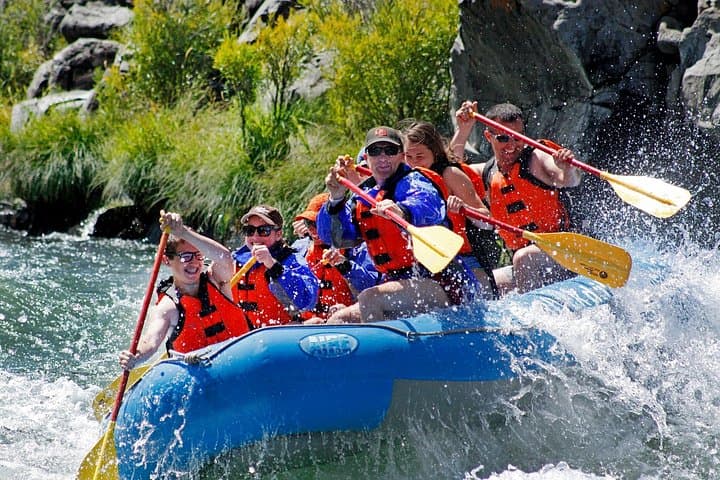
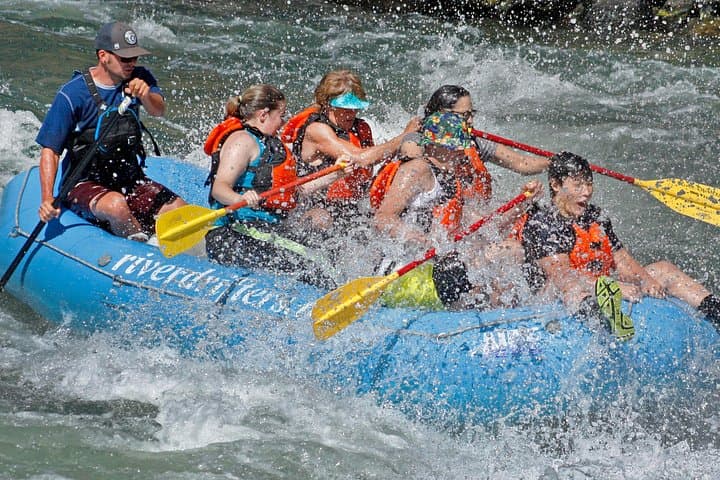
Morning light pours over the basalt cliffs as the Deschutes wakes, a cold, steady current shouldering downstream as if on a mission. Guides tighten PFDs, oars clink, and the canyon’s wind—never in a hurry yet always a factor—whispers that it may kick up later. Then the raft slides off the gravel bar and the river takes over, pushing you into a chain of splashy wave trains that shake off the road dust and sharpen your senses.
Morning light pours over the basalt cliffs as the Deschutes wakes, a cold, steady current shouldering downstream as if on a mission. Guides tighten PFDs, oars clink, and the canyon’s wind—never in a hurry yet always a factor—whispers that it may kick up later. Then the raft slides off the gravel bar and the river takes over, pushing you into a chain of splashy wave trains that shake off the road dust and sharpen your senses.
This half-day run near Maupin threads through the Wild & Scenic section of the lower Deschutes, a desert river famous for dependable flows, warm sunshine, and beginner-friendly yet spirited whitewater. Expect consistent Class II–III rapids, with names locals say like old friends—Wapinitia, Boxcar, Surf City—each with a personality. Boxcar stands up and asks for focus; playful riffles downstream slap the tubes and invite whoops. Between hits, the canyon eases open. Columnar basalt stacks like organ pipes along the rim, swallows stitch the air, and ospreys patrol the corridor with a fisherman’s patience.
The Deschutes owes its shape to fire and ice: volcanic layers uplifted, then carved by relentless water. A railroad once traced the river’s bends, and you still glimpse the corridor’s history in trestles and grade cuts etched into the cliffs. In 1988, Congress designated the lower Deschutes Wild & Scenic, preserving public access to a working desert river that still fuels small towns like Maupin—a rafting hub where sunrise coffee, post-trip tacos, and riverside patios feel tailor-made for sandy feet and wet hair.
On the water, guides handle the lines and safety while you paddle, lean, and laugh. Expect to be active for three to four hours, with quick breaks for snacks, swimming on hot days, and occasional shoreline stretches. The sun is real here—wide-open and honest—so protection matters. The water remains cold year-round, a bracing reminder that upstream dams keep the flow consistent even in late summer. Afternoon winds often sprint up-canyon; morning departures typically offer smoother conditions and cleaner hits.
Logistically, it’s simple: meet in Maupin, gear up, shuttle to put-in, and let the current do its work. Wear quick-drying layers, secure your sunglasses, and bring an attitude that’s ready to paddle through waves and drift through quiet. The river will nudge you forward, rapids will ask for your attention, and the canyon—stoic but watchful—will reward it with that unmistakable post-rapid glow: cheeks wet, heart high, and a grin that lingers all the way back to town.