THE ADVENTURE COLLECTIVE® · Independent discovery and booking for outdoor travel

Rise before dawn for a concentrated seven-hour jeep safari through Yala’s scrub, tanks and river corridors—prime territory for leopards, elephants and a large variety of birds. This morning drive balances high-probability wildlife viewing with practical comfort for travelers short on time.
Rise before dawn for a concentrated seven-hour jeep safari through Yala’s scrub, tanks and river corridors—prime territory for leopards, elephants and a large variety of birds. This morning drive balances high-probability wildlife viewing with practical comfort for travelers short on time.
Before dawn the jeep queue hums and the road to Yala melts into a ribbon of dust. At 4:30 a.m. the air is cool, birds call like sentinels, and the park’s scrub and tanks silhouette against a pale horizon. The first hour often delivers the most: a lone elephant crossing, a sambar silhouette, or a leopard pausing on a termite mound as the world wakes.
Verified experiences and guided adventures in the surrounding area.
Operated by Yala One Safari · Tissamaharama, Southern Province
Before dawn the jeep queue hums and the road to Yala melts into a ribbon of dust. At 4:30 a.m. the air is cool, birds call like sentinels, and the park’s scrub and tanks silhouette against a pale horizon. The first hour often delivers the most: a lone elephant crossing, a sambar silhouette, or a leopard pausing on a termite mound as the world wakes.
Yala, first given legal protection at the turn of the 20th century and gazetted as a national park in 1938, occupies coastal plains of southeast Sri Lanka. Geology here is low-lying sandstones, seasonal marshes and freshwater tanks carved for irrigation; those tanks, and the Menik River, concentrate wildlife during the dry season. The region blends Sinhala and Tamil cultures and sits near the pilgrimage town of Kataragama, where human reverence and wild rhythms meet at the park boundary.
Practical guidance: this half-day, roughly seven-hour jeep safari is run by licensed guides and works best at dawn or late afternoon when temperatures drop and predators move. Wear neutral-colored clothing, bring binoculars and a camera with a telephoto lens, and expect bumpy tracks and long stretches sitting in the vehicle. Insects can be active around waterholes; insect repellent and light layers for changing morning temperatures help. Park rules are enforced—stay inside the vehicle and follow your guide’s directions.
This compact itinerary is ideal for travelers short on time who want a concentrated, high-probability wildlife experience without camping overnight.
Yala has one of the highest leopard densities, so sightings are common on dawn or dusk drives, but no sighting can be guaranteed—luck, timing and guide experience matter.
Yes—this tour includes the Yala entrance ticket and a licensed English-speaking guide with local experience.
Children are allowed; infants may need to sit on an adult’s lap and operators often recommend age-appropriate seating—check booking requirements for specific limits.
Rain can make tracks slippery and reduce visibility; tours often proceed unless roads are impassable—confirm cancellation or rescheduling policies when booking.
Yala One Safari operates guided outdoor trips and adventures with an emphasis on safety, stewardship, and memorable experiences.
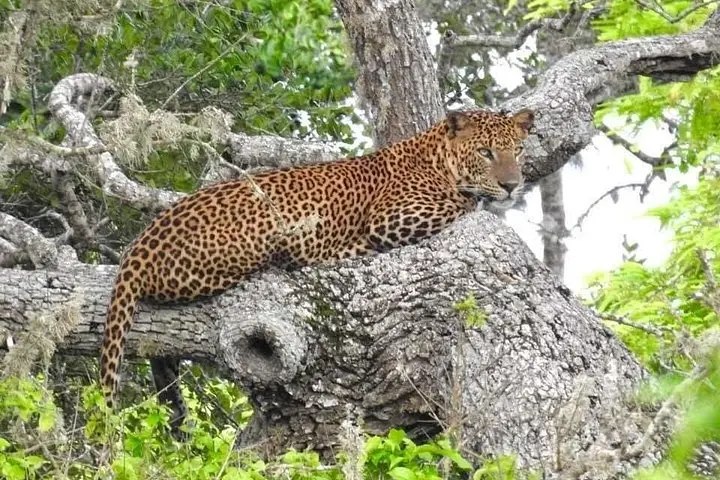
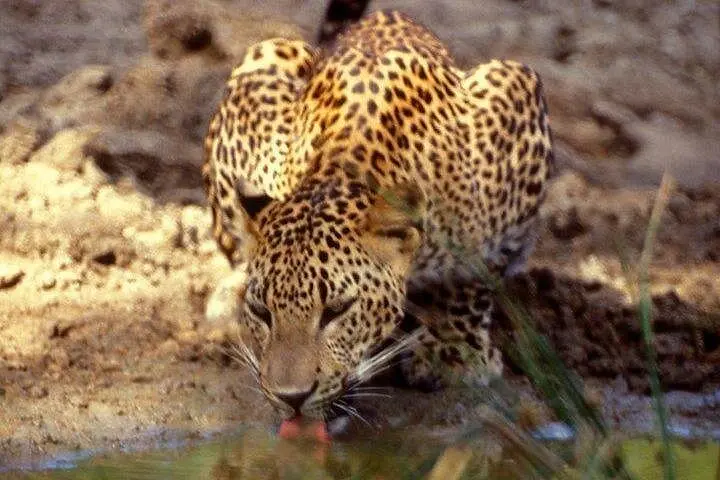
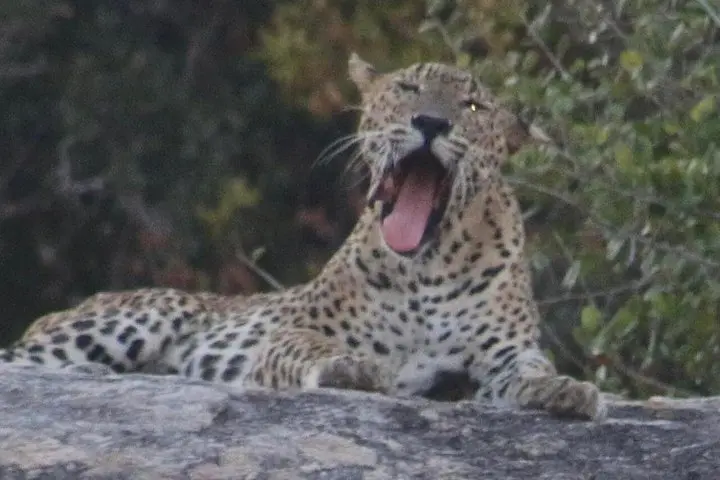
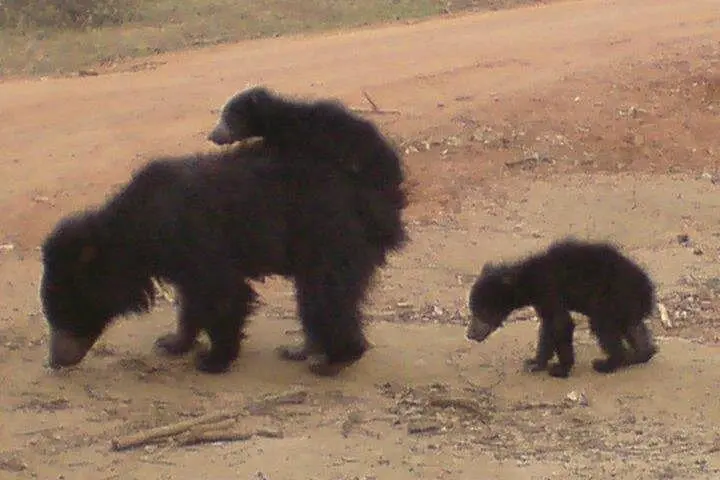
Before dawn the jeep queue hums and the road to Yala melts into a ribbon of dust. At 4:30 a.m. the air is cool, birds call like sentinels, and the park’s scrub and tanks silhouette against a pale horizon. The first hour often delivers the most: a lone elephant crossing, a sambar silhouette, or a leopard pausing on a termite mound as the world wakes.
Before dawn the jeep queue hums and the road to Yala melts into a ribbon of dust. At 4:30 a.m. the air is cool, birds call like sentinels, and the park’s scrub and tanks silhouette against a pale horizon. The first hour often delivers the most: a lone elephant crossing, a sambar silhouette, or a leopard pausing on a termite mound as the world wakes.
Yala, first given legal protection at the turn of the 20th century and gazetted as a national park in 1938, occupies coastal plains of southeast Sri Lanka. Geology here is low-lying sandstones, seasonal marshes and freshwater tanks carved for irrigation; those tanks, and the Menik River, concentrate wildlife during the dry season. The region blends Sinhala and Tamil cultures and sits near the pilgrimage town of Kataragama, where human reverence and wild rhythms meet at the park boundary.
Practical guidance: this half-day, roughly seven-hour jeep safari is run by licensed guides and works best at dawn or late afternoon when temperatures drop and predators move. Wear neutral-colored clothing, bring binoculars and a camera with a telephoto lens, and expect bumpy tracks and long stretches sitting in the vehicle. Insects can be active around waterholes; insect repellent and light layers for changing morning temperatures help. Park rules are enforced—stay inside the vehicle and follow your guide’s directions.
This compact itinerary is ideal for travelers short on time who want a concentrated, high-probability wildlife experience without camping overnight.