THE ADVENTURE COLLECTIVE® · Independent discovery and booking for outdoor travel

Escape Hangzhou’s bustle for a half-day walk through bamboo groves and centuries-old tea terraces. This private tour pairs an easy forest hike in Yunxi Zhujing with a hands-on tea plantation visit, tasting, and local lunch.
Escape Hangzhou’s bustle for a half-day walk through bamboo groves and centuries-old tea terraces. This private tour pairs an easy forest hike in Yunxi Zhujing with a hands-on tea plantation visit, tasting, and local lunch.
You step from an air-conditioned car into a corridor of green: a narrow dirt track where bamboo stalks lean like patient sentries and the air tastes cleaner—locals call it an influx of negative oxygen ions. The half-day tour moves at an easy rhythm: a short hike through Yunxi Zhujing’s bamboo groves followed by a walk through tea terraces in Meijiawu or Longjing Village, punctuated by a guided tea-tasting and a local lunch.
Verified experiences and guided adventures in the surrounding area.
Operated by Amazing Shanghai Trip · Hangzhou, Zhejiang
You step from an air-conditioned car into a corridor of green: a narrow dirt track where bamboo stalks lean like patient sentries and the air tastes cleaner—locals call it an influx of negative oxygen ions. The half-day tour moves at an easy rhythm: a short hike through Yunxi Zhujing’s bamboo groves followed by a walk through tea terraces in Meijiawu or Longjing Village, punctuated by a guided tea-tasting and a local lunch.
Yunxi Zhujing sits on gentle hills carved from weathered sedimentary rock; the shallow soils favor bamboo groves that stabilize slopes and shade the terraces below. Longjing (Dragon Well) and Meijiawu are part of a centuries-old tea landscape—tea from these hills has been prized in Chinese culture for its aroma and ceremony, and the villages still layer social life around small-scale family farms and teahouses.
The guide’s role is practical: route choices, tea explanations, and timing for photos. Expect uneven packed-earth trails with short stairs and occasional muddy patches after rain. The tea experience covers plucking, processing notes, and a tasting that teaches you how to read infusion color and aroma.
Practical tips: morning departures avoid heat and crowds; wear closed-toe shoes with grip, bring a refillable bottle, and carry sunscreen. The tour includes entrance fees, private guide, and transfers back to Hangzhou. It’s ideal for travelers who want an accessible outdoor walk plus hands-on cultural insight into China’s most famous teas.
The private guide will pick you up from your Hangzhou city hotel or Hangzhou Railway Station and return you there at the end of the tour.
The bamboo hike is a short, easy-to-moderate walk of roughly 30–60 minutes on packed-earth paths with some gentle slopes.
Yes; children can participate in tea tasting and learn about plucking, though caffeinated tea may be limited depending on the sampling.
Notify any dietary restrictions when booking so the local lunch can be adjusted—vegetarian options are commonly available if requested in advance.
Amazing Shanghai Trip operates guided outdoor trips and adventures with an emphasis on safety, stewardship, and memorable experiences.
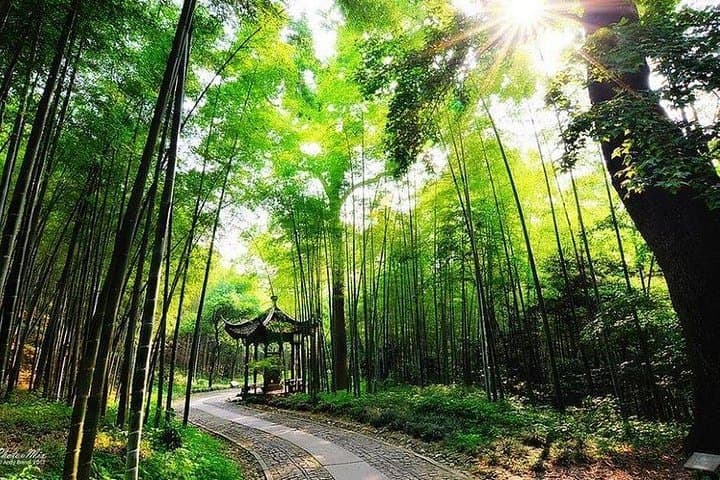

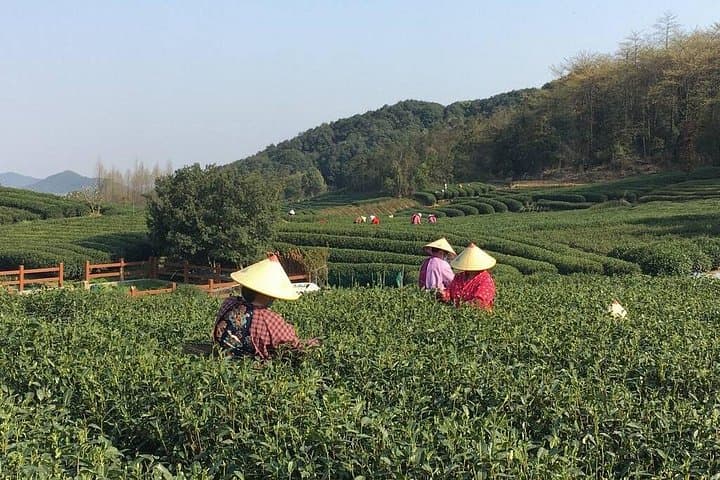

You step from an air-conditioned car into a corridor of green: a narrow dirt track where bamboo stalks lean like patient sentries and the air tastes cleaner—locals call it an influx of negative oxygen ions. The half-day tour moves at an easy rhythm: a short hike through Yunxi Zhujing’s bamboo groves followed by a walk through tea terraces in Meijiawu or Longjing Village, punctuated by a guided tea-tasting and a local lunch.
You step from an air-conditioned car into a corridor of green: a narrow dirt track where bamboo stalks lean like patient sentries and the air tastes cleaner—locals call it an influx of negative oxygen ions. The half-day tour moves at an easy rhythm: a short hike through Yunxi Zhujing’s bamboo groves followed by a walk through tea terraces in Meijiawu or Longjing Village, punctuated by a guided tea-tasting and a local lunch.
Yunxi Zhujing sits on gentle hills carved from weathered sedimentary rock; the shallow soils favor bamboo groves that stabilize slopes and shade the terraces below. Longjing (Dragon Well) and Meijiawu are part of a centuries-old tea landscape—tea from these hills has been prized in Chinese culture for its aroma and ceremony, and the villages still layer social life around small-scale family farms and teahouses.
The guide’s role is practical: route choices, tea explanations, and timing for photos. Expect uneven packed-earth trails with short stairs and occasional muddy patches after rain. The tea experience covers plucking, processing notes, and a tasting that teaches you how to read infusion color and aroma.
Practical tips: morning departures avoid heat and crowds; wear closed-toe shoes with grip, bring a refillable bottle, and carry sunscreen. The tour includes entrance fees, private guide, and transfers back to Hangzhou. It’s ideal for travelers who want an accessible outdoor walk plus hands-on cultural insight into China’s most famous teas.